

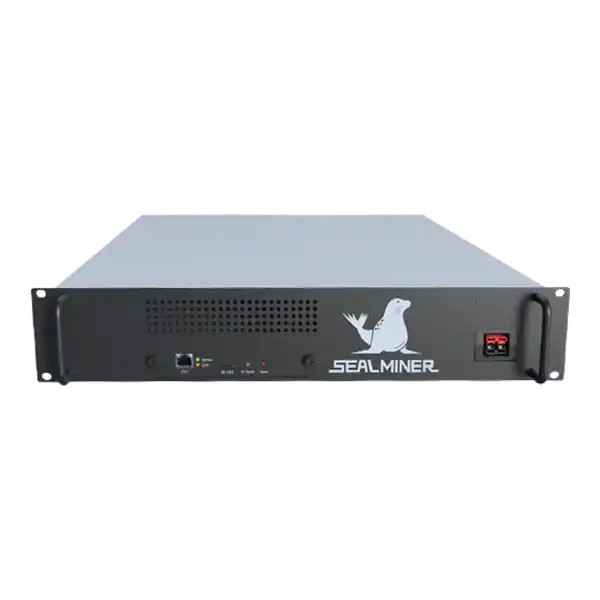
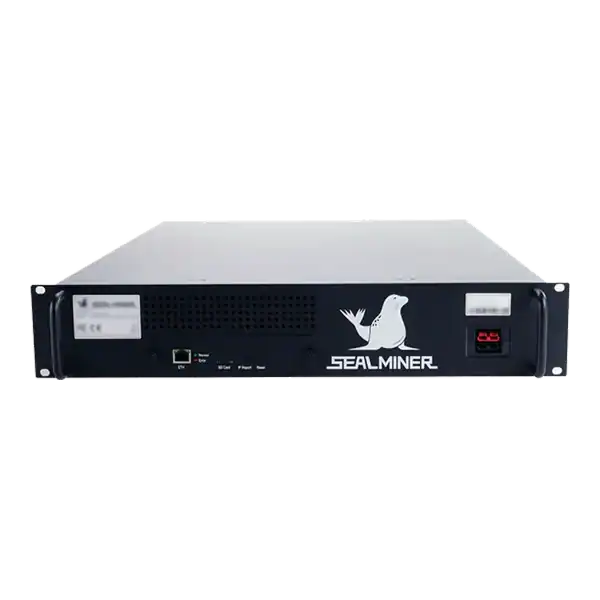
Sealminer A4 Ultra Hydro
Bitcoin & Bitcoin Cash ASIC Miner
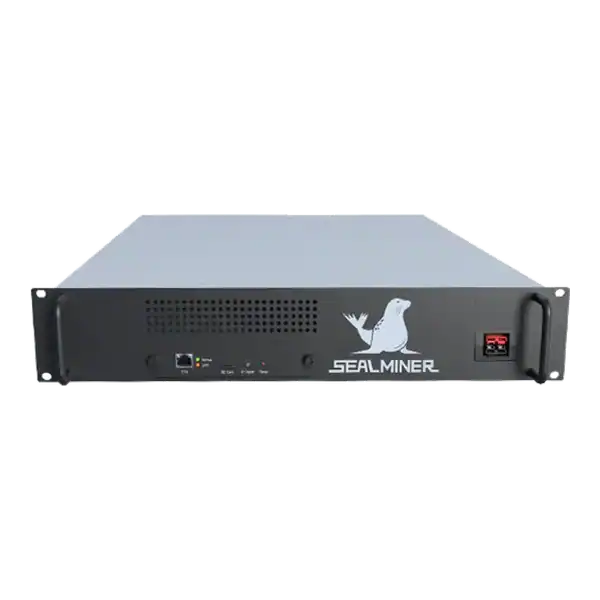

886TH
HASHRATE
9.45W/TH
EFFICIENCY
8373W
POWER
£898.19
EST. MONTHLY
NO PAYBACK
EST. ROI
BIP 392 guide to Draft sp() descriptors, spscan and spspend encodings, watch-only and full-wallet forms, key origins, recovery and validation.
This guide explains BIP 392 Silent Payment Output Script Descriptors in plain English. It covers the problem behind the BIP, why it matters and whether the proposal is part of Bitcoin today.
BIP 392 Silent Payment Output Script Descriptors: sp() is a top-level descriptor only. It creates taproot output scripts dynamically from sender inputs, so it cannot be nested under sh(), wsh() or another script wrapper.
A node operator is checking BIP 392 Silent Payment Output Script Descriptors. A Silent Payment descriptor may expose scan capability, spending capability or both. Backups must label that authority explicitly and retain any derivation and maximum-label information required for complete scanning.
sp() is a top-level descriptor only. It creates taproot output scripts dynamically from sender inputs, so it cannot be nested under sh(), wsh() or another script wrapper.
The Bech32m spscan form contains the private scan key and compressed public spend key. It supports detection and watch-only operation but should not grant spending authority.
The Bech32m spspend form contains both scan and spend private keys. Treat it as full-wallet secret material with encryption, access control and offline backup.

sp(scan,spend) requires a private scan key and permits a single public or private spend expression, including compatible aggregate keys. Uncompressed keys are forbidden.
Optional key-origin data records fingerprint and derivation depth. Mainnet and test networks use distinct human-readable prefixes; reject cross-network or bad-checksum material.
A Silent Payment descriptor may expose scan capability, spending capability or both. Backups must label that authority explicitly and retain any derivation and maximum-label information required for complete scanning.
Developers test the proposal with made-up data on an isolated test network. They check normal cases and deliberately invalid cases. Different implementations should reach the same result before anyone relies on the proposal.
BIP 392 Silent Payment Output Script Descriptors: sp() is a top-level descriptor only. It creates taproot output scripts dynamically from sender inputs, so it cannot be nested under sh(), wsh() or another script wrapper.
sp() is a top-level descriptor only. It creates taproot output scripts dynamically from sender inputs, so it cannot be nested under sh(), wsh() or another script wrapper.
The Bech32m spscan form contains the private scan key and compressed public spend key.
The Bech32m spspend form contains both scan and spend private keys. Treat it as full-wallet secret material with encryption, access control and offline backup.
BIP 392 can make Silent Payment wallets portable within descriptor infrastructure, provided every backup clearly declares whether it is watch-only or spend-capable and implementations strictly validate keys, networks and derivation context.
Check the current specification status and the documentation for the exact implementation you operate before moving production funds or changing a mining node.

BIP 450 guide to Draft Formosa themed mnemonic stories, entropy and checksum mapping, theme JSON, BIP39 conversion, passphrases and recovery safety.
BIP 393 guide to Draft descriptor annotations for birth height, gap limit and Silent Payment max label, checksum rules, parsing and recovery safety.
BIP 376 guide to Draft PSBTv2 Silent Payment spend fields, updater, signer and finalizer roles, tweak verification, privacy and hardware-wallet safety.
Join the ASIC Mining Discussion
Members can read and join the discussion
Log in to read comments from other miners. Create a free account if you would like to ask a question or share your experience.
Membership helps us protect the discussion from spam and keep answers useful.