

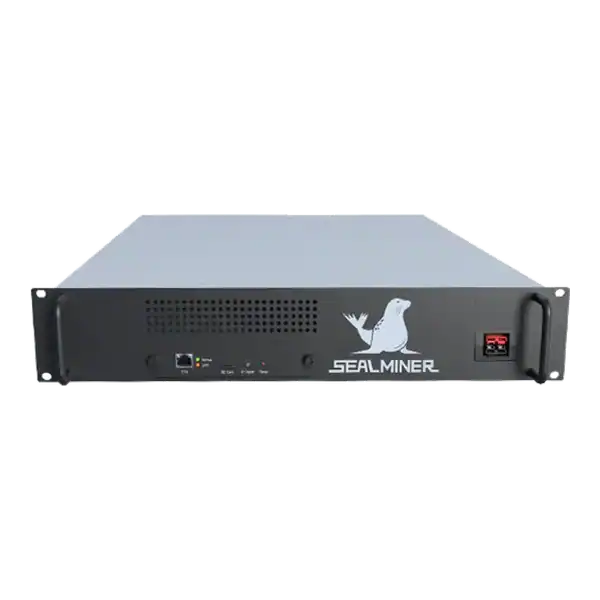
Sealminer A4 Ultra Hydro
Bitcoin & Bitcoin Cash ASIC Miner

886TH
HASHRATE
9.45W/TH
EFFICIENCY
8373W
POWER
£898.19
EST. MONTHLY
NO PAYBACK
EST. ROI
BIP 393 guide to Draft descriptor annotations for birth height, gap limit and Silent Payment max label, checksum rules, parsing and recovery safety.
This guide explains BIP 393 Output Script Descriptor Annotations in plain English. It covers the problem behind the BIP, why it matters and whether the proposal is part of Bitcoin today.
BIP 393 Output Script Descriptor Annotations: Annotations follow the script after one question mark, use ampersands between key-value pairs and precede the checksum.
A node operator is checking BIP 393 Output Script Descriptor Annotations. The checksum covers the full literal string, including pair order. Test annotated and stripped forms to ensure script sets are identical.
Annotations follow the script after one question mark, use ampersands between key-value pairs and precede the checksum. The checksum covers the full literal string, including pair order.
Keys contain lowercase ASCII letters and occur at most once. Values are non-negative decimal integers with no leading zero except zero itself. Empty, negative, duplicate or malformed pairs are invalid.
bh is the earliest scan block height, gl the consecutive-unused address gap limit and ml the highest Silent Payment label index required for recovery.

Values record minimum work needed to recover all funds at export time. Later exports may increase them as wallet use expands, but must not reduce them without an evidence-backed reason.
A supporting implementation must ignore unknown annotations rather than reject the descriptor. It must still retain the checksum-protected literal backup and avoid assigning invented semantics.
Annotations provide operational metadata only and do not alter generated scripts or addresses. Test annotated and stripped forms to ensure script sets are identical.
Plain descriptors remain valid. A legacy parser may require annotations to be stripped and the checksum recomputed; preserve the annotated original so recovery bounds are not discarded. Build a revision-pinned evidence pack on an isolated node, wallet or protocol harness.
BIP 393 Output Script Descriptor Annotations: Annotations follow the script after one question mark, use ampersands between key-value pairs and precede the checksum.
Annotations follow the script after one question mark, use ampersands between key-value pairs and precede the checksum.
Keys contain lowercase ASCII letters and occur at most once. Values are non-negative decimal integers with no leading zero except zero itself.
bh is the earliest scan block height, gl the consecutive-unused address gap limit and ml the highest Silent Payment label index required for recovery.
BIP 393 binds practical scanning parameters to descriptor backups without changing their scripts. It improves recovery only when parsers validate strictly, wallets update increasing bounds and operators retain the checksum-protected original.
Check the current specification status and the documentation for the exact implementation you operate before moving production funds or changing a mining node.

BIP 450 guide to Draft Formosa themed mnemonic stories, entropy and checksum mapping, theme JSON, BIP39 conversion, passphrases and recovery safety.
BIP 392 guide to Draft sp() descriptors, spscan and spspend encodings, watch-only and full-wallet forms, key origins, recovery and validation.
BIP 376 guide to Draft PSBTv2 Silent Payment spend fields, updater, signer and finalizer roles, tweak verification, privacy and hardware-wallet safety.
Join the ASIC Mining Discussion
Members can read and join the discussion
Log in to read comments from other miners. Create a free account if you would like to ask a question or share your experience.
Membership helps us protect the discussion from spam and keep answers useful.