

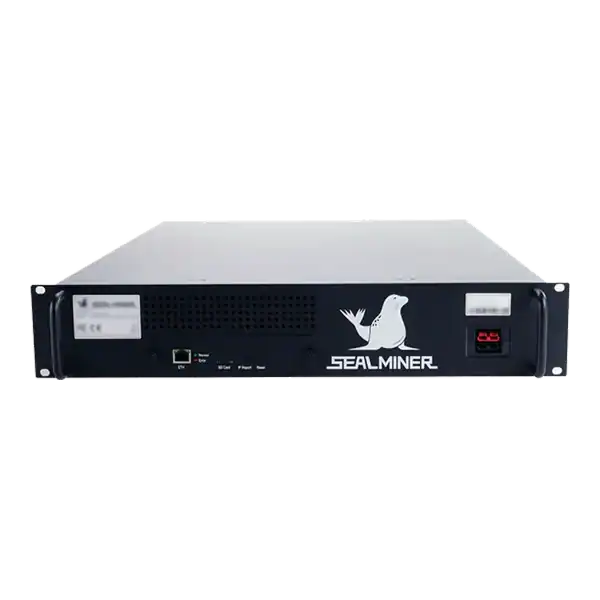
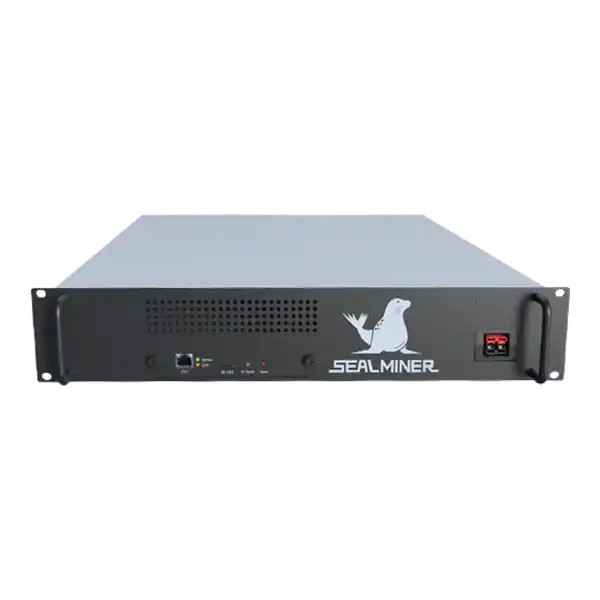
Sealminer A4 Ultra Hydro
Bitcoin & Bitcoin Cash ASIC Miner
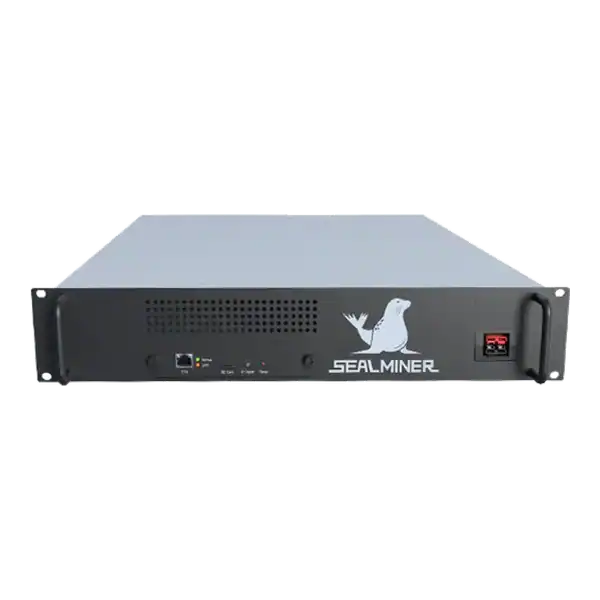

886TH
HASHRATE
9.45W/TH
EFFICIENCY
8373W
POWER
£790.53
EST. MONTHLY
NO PAYBACK
EST. ROI
BIP 376 guide to Draft PSBTv2 Silent Payment spend fields, updater, signer and finalizer roles, tweak verification, privacy and hardware-wallet safety.
This guide explains BIP 376 Spending Silent Payment outputs with PSBTs in plain English. It covers the problem behind the BIP, why it matters and whether the proposal is part of Bitcoin today.
BIP 376 Spending Silent Payment outputs with PSBTs: The updater must add the tweak for every Silent Payment input and should add derivation data where BIP32 is used.
A node operator is checking BIP 376 Spending Silent Payment outputs with PSBTs. A zero fingerprint and empty path can limit disclosure when another key lookup exists.
PSBT_IN_SP_SPEND_BIP32_DERIVATION uses type 0x1f with a 33-byte spend public key plus fingerprint and path. PSBT_IN_SP_TWEAK uses type 0x20 with one 32-byte tweak and no key data.
The updater must add the tweak for every Silent Payment input and should add derivation data where BIP32 is used. A zero fingerprint and empty path can limit disclosure when another key lookup exists.
The signer combines the spend private key and tweak modulo the curve order, applies the required parity negation and must fail unless the resulting x-coordinate equals the P2TR output key in witness_utxo.

Every tweaked input needs a taproot key signature. The finalizer constructs the one-element key-path witness and removes tweak, Silent Payment derivation, tap signature and witness-utxo fields after finalization.
A malicious or mistaken updater can provide a wrong tweak. Signing without output-key verification could produce a valid signature for an unintended key and enable theft.
Older PSBT software may ignore the extensible fields rather than understand the spend. Require an explicit capability handshake; do not let field loss or unknown-field stripping enter signing.
Developers test the proposal with made-up data on an isolated test network. They check normal cases and deliberately invalid cases. Different implementations should reach the same result before anyone relies on the proposal.
BIP 376 Spending Silent Payment outputs with PSBTs: The updater must add the tweak for every Silent Payment input and should add derivation data where BIP32 is used.
PSBT_IN_SP_SPEND_BIP32_DERIVATION uses type 0x1f with a 33-byte spend public key plus fingerprint and path.
The updater must add the tweak for every Silent Payment input and should add derivation data where BIP32 is used.
The signer combines the spend private key and tweak modulo the curve order, applies the required parity negation and must fail unless the resulting x-coordinate equals the P2TR output key in witness_utxo.
BIP 376 gives PSBT components the minimum material needed to spend Silent Payment outputs, but a tweak is untrusted input until the signer proves it matches the actual taproot output. That check is the central custody control.
Check the current specification status and the documentation for the exact implementation you operate before moving production funds or changing a mining node.

BIP 450 guide to Draft Formosa themed mnemonic stories, entropy and checksum mapping, theme JSON, BIP39 conversion, passphrases and recovery safety.
BIP 393 guide to Draft descriptor annotations for birth height, gap limit and Silent Payment max label, checksum rules, parsing and recovery safety.
BIP 392 guide to Draft sp() descriptors, spscan and spspend encodings, watch-only and full-wallet forms, key origins, recovery and validation.
Join the ASIC Mining Discussion
Members can read and join the discussion
Log in to read comments from other miners. Create a free account if you would like to ask a question or share your experience.
Membership helps us protect the discussion from spam and keep answers useful.