

Sealminer A4 Ultra Hydro
Bitcoin & Bitcoin Cash ASIC Miner
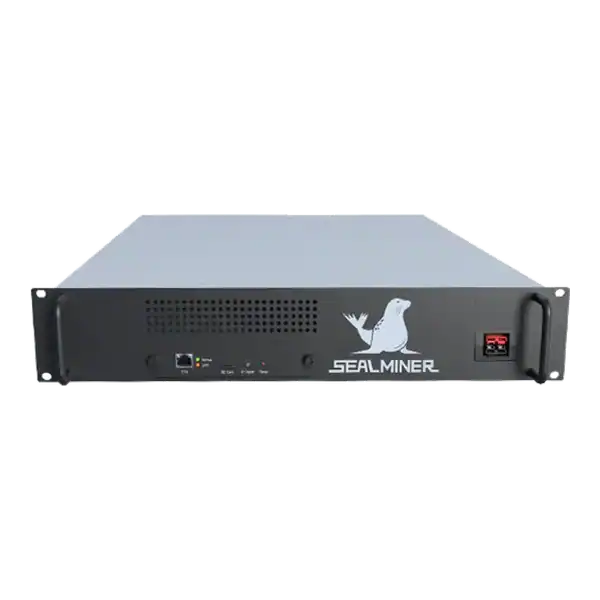

886TH
HASHRATE
9.45W/TH
EFFICIENCY
8373W
POWER
£857.66
EST. MONTHLY
NO PAYBACK
EST. ROI
BIP 360 P2MR guide covering Draft soft-fork status, script-tree commitments, no key path, long-exposure quantum scope, witnesses, fees and activation.
This guide explains BIP 360 Pay-to-Merkle-Root (P2MR) in plain English. It covers the problem behind the BIP, why it matters and whether the proposal is part of Bitcoin today.
BIP 360 Pay-to-Merkle-Root (P2MR): The proposed output uses SegWit version 2 with a 32-byte script-tree Merkle root, producing a bech32m mainnet form beginning bc1z and scriptPubKey OP_2 plus the hash.
A node operator is checking BIP 360 Pay-to-Merkle-Root (P2MR). BIP 360 is Draft, Specification, version 0.12.1 at the consensus soft-fork layer.
BIP 360 is Draft, Specification, version 0.12.1 at the consensus soft-fork layer. No wallet should create spendable P2MR mainnet outputs without an activated rule set.
The proposed output uses SegWit version 2 with a 32-byte script-tree Merkle root, producing a bech32m mainnet form beginning bc1z and scriptPubKey OP_2 plus the hash.
Unlike P2TR, P2MR omits the internal key and tweak. Every spend uses a revealed tapscript leaf, stack and Merkle proof.

It targets long-exposure quantum key recovery from persistent public keys. It does not protect a public key exposed during an unconfirmed spend from a sufficiently fast short-exposure attack.
The control block is one byte plus 32 bytes per Merkle level and omits the internal key. Annex and tapscript concepts are otherwise deliberately reused.
A depth-zero tree succeeds without script execution under the proposal and is effectively anyone-can-spend, so practical construction should use depth one or more.
Developers test the proposal with made-up data on an isolated test network. They check normal cases and deliberately invalid cases. Different implementations should reach the same result before anyone relies on the proposal.
BIP 360 Pay-to-Merkle-Root (P2MR): The proposed output uses SegWit version 2 with a 32-byte script-tree Merkle root, producing a bech32m mainnet form beginning bc1z and scriptPubKey OP_2 plus the hash.
BIP 360 is Draft, Specification, version 0.12.1 at the consensus soft-fork layer.
The proposed output uses SegWit version 2 with a 32-byte script-tree Merkle root, producing a bech32m mainnet form beginning bc1z and scriptPubKey OP_2 plus the hash.
Unlike P2TR, P2MR omits the internal key and tweak. Every spend uses a revealed tapscript leaf, stack and Merkle proof.
P2MR proposes a conservative script-tree option for reducing long-lived public-key exposure. Its benefit, cost and activation status must remain separate: it removes a key path, increases some spends and does not supply full post-quantum signatures.
Check the current specification status and the documentation for the exact implementation you operate before moving production funds or changing a mining node.

BIP 441 guide to the Draft tapleaf 0xC2 script-restoration proposal, varops, stack limits, unsigned arithmetic, restored opcodes and safety testing.
BIP 440 guide to the Draft transaction-wide variable-operation budget, weight scaling, opcode cost classes, benchmarks, validation and soft-fork status.
BIP 361 guide to the Draft informational post-quantum migration and legacy-signature sunset proposal, phases, prerequisites, risks and readiness planning.
Join the ASIC Mining Discussion
Members can read and join the discussion
Log in to read comments from other miners. Create a free account if you would like to ask a question or share your experience.
Membership helps us protect the discussion from spam and keep answers useful.