
Pre-order
Overall ranking

Equihash
·
ZEC
Overall rank#1of 100AvailableAll: #2 / 831
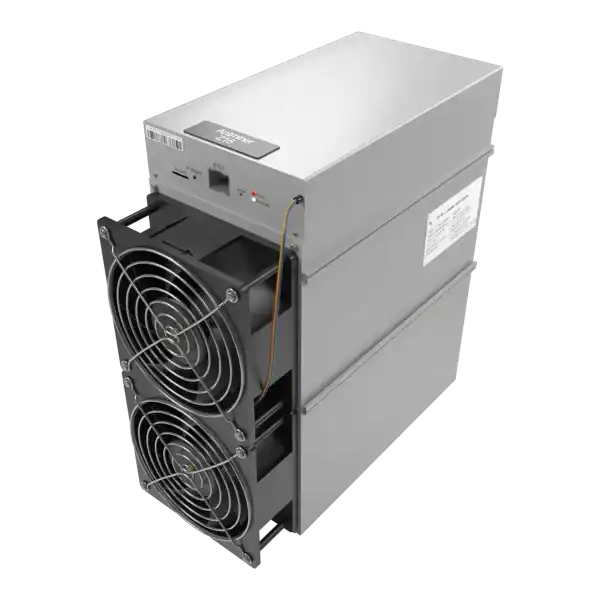

Pre-OrderFree Shipping
Hashrate
525KSOL
Efficiency
4.73W/KSOL
Power
2483W
Earns/kWh
41.7p
Learn how ASIC underclocking profit works, what it changes for miners, the money and safety risks, and the checks to make before using it.
Learn how ASIC underclocking profit works, what it changes for miners, the money and safety risks, and the checks to make before using it.
ASIC underclocking profit: Underclocking reduces frequency or power so the miner produces less hashrate while often improving efficiency and reducing heat.
An S19 is run at stock and two lower power limits, with revenue compared using accepted pool hashrate rather than the dashboard headline.
Underclocking reduces frequency or power so the miner produces less hashrate while often improving efficiency and reducing heat. In a real setup, ASIC underclocking profit is a decision about evidence and control rather than a magic setting. The useful question is not whether the idea sounds advanced.
It is whether the change produces more accepted work, lower measured cost, stronger security or faster recovery under the conditions at the site.
Profit can rise when the electricity saving and reduced cooling load exceed the value of the lost hashrate. That benefit should be written as a testable claim. Identify the worker, circuit, endpoint, wallet or accounting period involved, then decide which measurement would prove the result. A local dashboard is helpful, but pool records, wall meters, node logs and wallet receipts usually provide stronger evidence.
First trace the full operating path. A miner receives work, performs hashes, submits results and depends on supporting power, cooling, networking and accounting. Underclocking reduces frequency or power so the miner produces less hashrate while often improving efficiency and reducing heat. The subject may sit in only one part of that path, but a change there can affect everything downstream.
Draw the path before changing it. Mark who controls each setting, where credentials are stored, what happens after a restart and which record confirms success. For ASIC underclocking profit, this prevents a common error: improving one headline number while accepted hashrate, reliability or custody quietly becomes worse.
Profit can rise when the electricity saving and reduced cooling load exceed the value of the lost hashrate. Convert that into pounds only after separating technical output from price. For mining, useful output means accepted hashrate, valid blocks or credited shares. Gross coin value is not profit, and a favourable coin-price move can hide wasted electricity or downtime.
Compare against a documented period from the same equipment. Include electricity at the delivered rate, pool or service fees, cooling, restart losses, staff time and any capital cost created by the change. Where the outcome is mainly security or independence, say so plainly rather than inventing a precise financial return.
For ASIC underclocking profit, collect timestamps, accepted work, rejected work, uptime and the measurement closest to the real cost. Add temperature, voltage, bandwidth or wallet receipts where they are relevant. Use the same time zone and preserve raw records so an unusual result can be investigated later.
A single favourable period is not proof of a lasting gain. Compare ordinary load, a busy period and a controlled fault or restart where that can be done safely. Look for differences between the miner display and the receiving pool or node. If the two disagree, reconcile the definitions before calculating a percentage gain.
Keep the first test small, reversible and separated from wallets or production administration. Record the original configuration so a failed trial can be undone without guesswork. Confirm current official documentation, supported versions and the exact model or service before committing. Do not paste secrets into screenshots, logs or support requests.
If a wallet address or payout rule is involved, verify it independently and begin with a small amount.
A sensible ASIC underclocking trial has a written starting state, one deliberate change, a monitoring window and a stop condition. Test restart and recovery as well as normal operation. Expand only when the evidence shows that the expected benefit occurred without new rejects, overheating, unsafe conditions or loss of administrative control.
An estimate based on firmware watts rather than a wall meter can overstate the saving, and an unstable profile can increase rejected work. This is the main reason ASIC underclocking profit should not be judged from a single screenshot or copied configuration. Similar equipment can behave differently because of firmware, component condition, electrical supply, network route, pool policy and ambient temperature.
Multiple simultaneous changes make the result hard to explain. If firmware, pool, power target and network route all change at once, a good or bad result cannot be attributed confidently. Change one layer at a time, keep dated notes and retain a tested way back. Treat unexplained improvement with the same caution as unexplained failure.

An S19 is run at stock and two lower power limits, with revenue compared using accepted pool hashrate rather than the dashboard headline. The example is deliberately narrow. It establishes what changed, which evidence was collected and what would cause the operator to stop. It does not assume the same result for every site or promise a particular income.
Close the test by reconciling the net outcome against the baseline. Record any excluded cost and uncertainty. If the difference is smaller than normal daily variation, continue measuring rather than claiming a win. If the change affects safety, security or custody, require the relevant technical review even when the short test looks profitable.
The late-2021 energy-price environment made lower-power operating profiles increasingly relevant to owners of older ASICs. This date anchors the article to the period when the issue became relevant. It does not mean that present software, tariffs, rewards or hardware match that historical point.
Read the history as context for ASIC underclocking profit. Check today’s official release and commercial terms before acting. Mining equipment can remain physically capable while protocol support, electricity cost or pool availability changes around it. A dated guide is useful only when those differences are made explicit.
ASIC underclocking profit: Underclocking reduces frequency or power so the miner produces less hashrate while often improving efficiency and reducing heat.
Underclocking reduces frequency or power so the miner produces less hashrate while often improving efficiency and reducing heat.
First trace the full operating path. A miner receives work, performs hashes, submits results and depends on supporting power, cooling, networking and accounting.
Profit can rise when the electricity saving and reduced cooling load exceed the value of the lost hashrate.
ASIC underclocking profit deserves a measured decision, not a copied setting or a promised percentage. Use current official information, begin with a small reversible test and judge the result through accepted work, net cost, security and recovery evidence. Where electrical or specialist work is involved, use someone competent for the installation.
This guide is historically placed on 30 December 2021. The late-2021 energy-price environment made lower-power operating profiles increasingly relevant to owners of older ASICs. The archive date gives context and is not a claim that present prices, software or rewards match that period.
Mining software, tariffs, hardware support and network rules can change. Confirm current official documentation before committing equipment, electricity, credentials or funds.
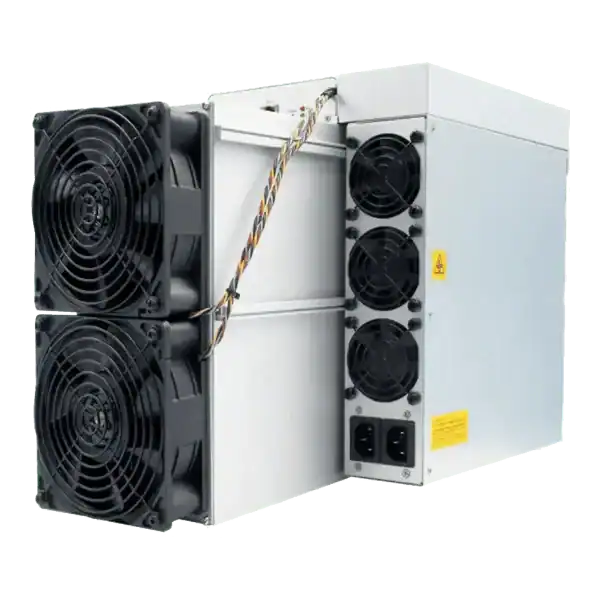
Stock firmware provenance restoration: restore stock firmware provenance before ASIC resale using exact hardware identity, official files, configuration.
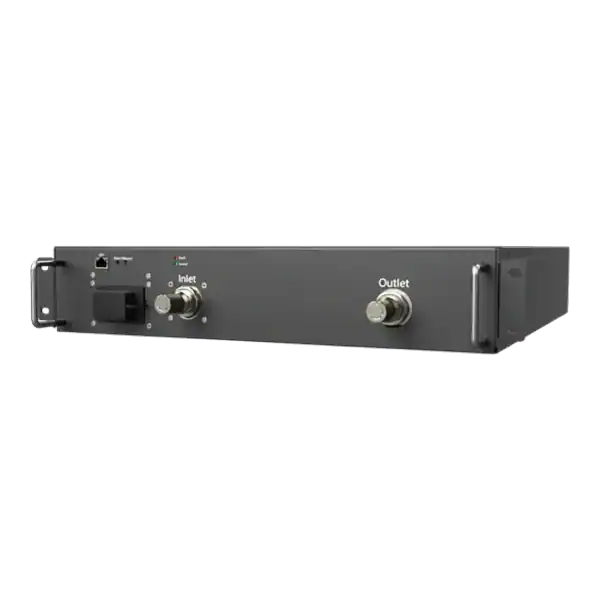
Plan a WhatsMiner batch firmware rollout using model cohorts, WhatsMinerTool, pilot gates, configuration evidence, monitoring and a tested rollback route.
ASICBoost compatibility check: Verify explicit model, firmware and pool support for overt ASICBoost before enabling it. Verify the current evidence.

Join the ASIC Mining Discussion
Members can read and join the discussion
Log in to read comments from other miners. Create a free account if you would like to ask a question or share your experience.
Membership helps us protect the discussion from spam and keep answers useful.