Litecoin Mining Guide: Scrypt Hardware and Risks explains where Litecoin fits in proof of work, what hardware is relevant and which facts must be checked before committing power or equipment.
TL;DR
Litecoin Mining Guide: Scrypt Hardware and Risks explains where Litecoin fits in proof of work, what hardware is relevant and which facts must be checked before committing power or equipment.
- Confirm the current Litecoin consensus rules and active mining algorithm before choosing hardware.
- Scrypt compatibility does not by itself prove that a network has useful liquidity, pool support or sustainable demand.
- Use current pool, wallet, exchange and network documentation because smaller projects can change or become inactive.
- Treat revenue estimates as a comparison only and include electricity, fees, downtime and hardware resale risk.

In a world where Bitcoin gets all the headlines and Dogecoin gets all the memes, there’s one cryptocurrency that’s been quietly doing its job like a reliable Toyota Camry in a world full of flashy Lamborghinis. Meet Litecoin, the “silver to Bitcoin’s gold” that somehow managed to be both boring and brilliant at the same time. While other cryptocurrencies are busy having identity crises and launching to the moon, Litecoin just keeps chugging along, processing transactions faster than your morning coffee kicks in.
When people ask about Litecoin, they’re usually expecting either a Bitcoin knockoff story or some significant breakthrough that will change the world. The truth is both simpler and more interesting: Litecoin is what happens when someone takes Bitcoin’s homework, makes it better, and then spends over a decade proving that sometimes the best innovation is just solid, reliable improvement. It’s the cryptocurrency equivalent of that friend who always shows up on time, never causes drama, and somehow ends up being the most successful person in your group.
The Genesis of Digital Silver: Charlie Lee's Bitcoin Remix
The philosophical approach about Litecoin reflected a pragmatic understanding of Bitcoin’s limitations. Bitcoin transactions were slow and expensive even in 2011, so Lee focused on creating a cryptocurrency that could handle everyday transactions while Bitcoin focused on being digital gold. This division of labor approach was significant in its simplicity and proved remarkably prescient as the cryptocurrency ecosystem evolved.
The Scrypt Algorithm: Democracy in Digital Mining
When developers discuss about Litecoin, they inevitably focus on its use of the Scrypt algorithm instead of Bitcoin’s SHA-256. This wasn’t just a technical choice, it was a political statement about who should be able to participate in cryptocurrency mining. At the time, Bitcoin mining was already becoming dominated by specialised ASIC machines that made it nearly impossible for regular people to mine profitably.
Scrypt was designed to be memory-intensive, making it much more difficult to create efficient ASIC miners. The algorithm requires miners to access large amounts of memory repeatedly, which initially made GPU mining competitive and kept the door open for ordinary users to participate. It was like implementing a “no professional athletes” rule in your local basketball league, designed to keep things fair for everyone.
The technical specifications about Litecoin’s Scrypt implementation include a memory requirement that was substantial for 2011 hardware. While Bitcoin’s SHA-256 could be optimised through pure computational speed, Scrypt required a balance of processing power and memory access, making it more resistant to the kind of specialised hardware that was centralizing Bitcoin mining.
Of course, technology never sits still, and eventually, Scrypt ASICs did appear on the market. But the temporary ASIC resistance gave Litecoin several years of more democratic mining, helping to establish a broader base of miners and supporters. The mining evolution about Litecoin demonstrates how algorithm choices can influence network participation, at least temporarily.
The Need for Speed: 2.5-Minute Blocks and Lightning Transactions
One of the most practical improvements about Litecoin is its 2.5-minute block time compared to Bitcoin’s 10-minute blocks. This might not sound like a significant change, but when you’re standing at a coffee shop waiting for your transaction to confirm, those extra 7.5 minutes feel like an eternity. Litecoin essentially made cryptocurrency payments four times more practical for real-world use.
The faster block times about Litecoin create a fundamentally different user experience. Instead of waiting 10-60 minutes for reasonable confirmation security, Litecoin transactions typically confirm in 2.5-10 minutes. For merchants and users, this difference transforms cryptocurrency from a theoretical payment method into something that works in practice.
However, the engineering trade-offs about Litecoin’s faster blocks include increased blockchain size and potentially higher orphan rates. When blocks are produced more frequently, there’s a higher chance that two miners will solve blocks simultaneously, leading to temporary forks that need to be resolved. Litecoin’s developers balanced these concerns against the usability benefits of faster confirmations.
The practical implications about Litecoin’s speed advantage become especially apparent during periods of network congestion. While Bitcoin users might wait hours or even days for transactions during peak periods, Litecoin maintains relatively consistent confirmation times, making it more reliable for time-sensitive transactions.
The Economics of Digital Silver: Supply and Demand Dynamics
The monetary policy about Litecoin closely mirrors Bitcoin’s approach but with larger numbers. Where Bitcoin will have a maximum supply of 21 million coins, Litecoin caps out at 84 million, exactly four times as much. This wasn’t arbitrary; it maintains the same relative scarcity while providing more granular units for everyday transactions.
The mining rewards about Litecoin follow a similar halving schedule to Bitcoin, reducing by 50% approximately every four years. This creates predictable inflation that decreases over time, eventually reaching zero when all 84 million coins have been mined. The parallel structure makes Litecoin’s economics familiar to Bitcoin users while offering distinct characteristics.
Market positioning about Litecoin has consistently emphasized its role as a medium of exchange rather than just a store of value. While Bitcoin increasingly functions as digital gold, Litecoin positions itself as digital silver, valuable, useful, and more practical for everyday transactions. This complementary relationship has helped both cryptocurrencies coexist rather than directly compete.
The price correlation about Litecoin and Bitcoin demonstrates their interconnected nature. Major Bitcoin movements often drive similar Litecoin movements, but with Litecoin typically showing higher volatility. This relationship reflects Litecoin’s position as both a Bitcoin alternative and a gateway cryptocurrency for users new to the space.
Mining Evolution: From GPUs to ASICs and Beyond
The mining landscape about Litecoin has undergone dramatic changes since its launch. Initially dominated by GPU miners using graphics cards, the network eventually transitioned to ASIC mining as specialised Scrypt miners became available. This evolution mirrors Bitcoin’s mining progression but occurred over a compressed timeline.
GPU mining about Litecoin was accessible to anyone with a decent graphics card and some technical knowledge. Mining software was relatively user-friendly, and profitability calculations were straightforward. This accessibility helped build a broad community of miners and stakeholders who felt invested in Litecoin’s success.
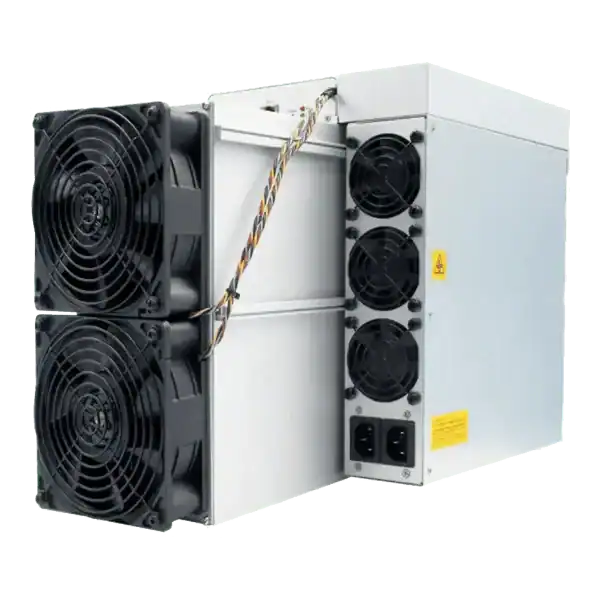
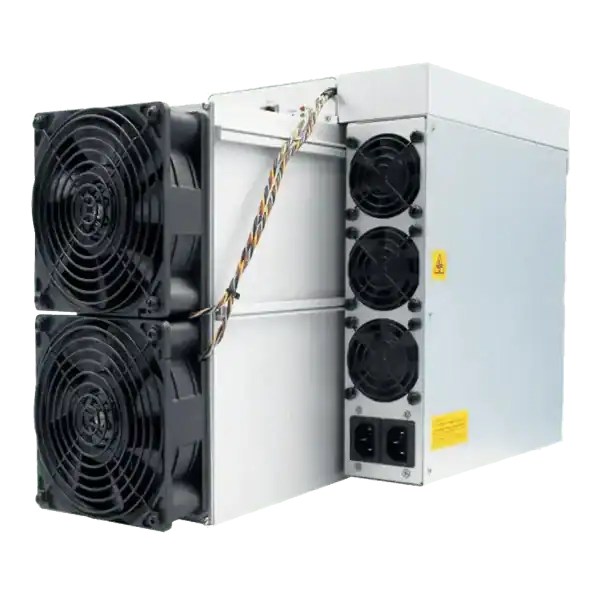
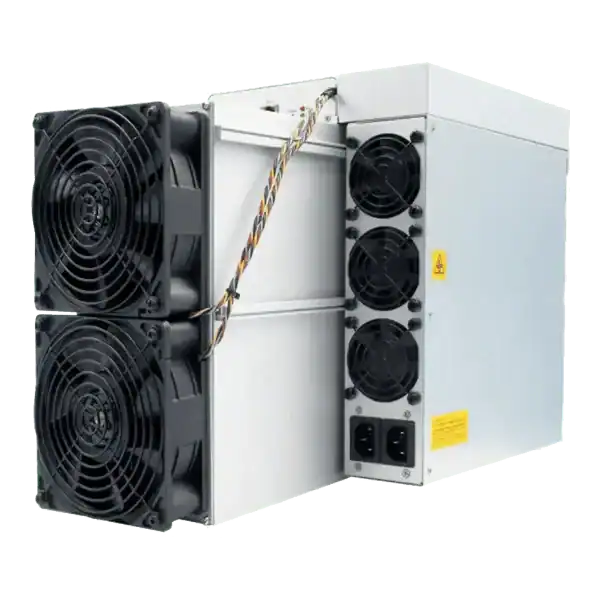
The transition to ASIC mining about Litecoin began around 2014 with the introduction of specialised Scrypt miners from companies like Bitmain and Innosilicon. These machines offered dramatically higher hash rates and energy efficiency compared to GPU mining, but they also increased the barrier to entry for new miners.
Modern mining operations about Litecoin are dominated by large-scale facilities with access to cheap electricity and the latest ASIC hardware. However, the Scrypt algorithm’s memory requirements still make Litecoin ASICs more expensive and complex than Bitcoin’s SHA-256 miners, maintaining some barriers to extreme centralization.
Merge Mining: The Dogecoin Connection
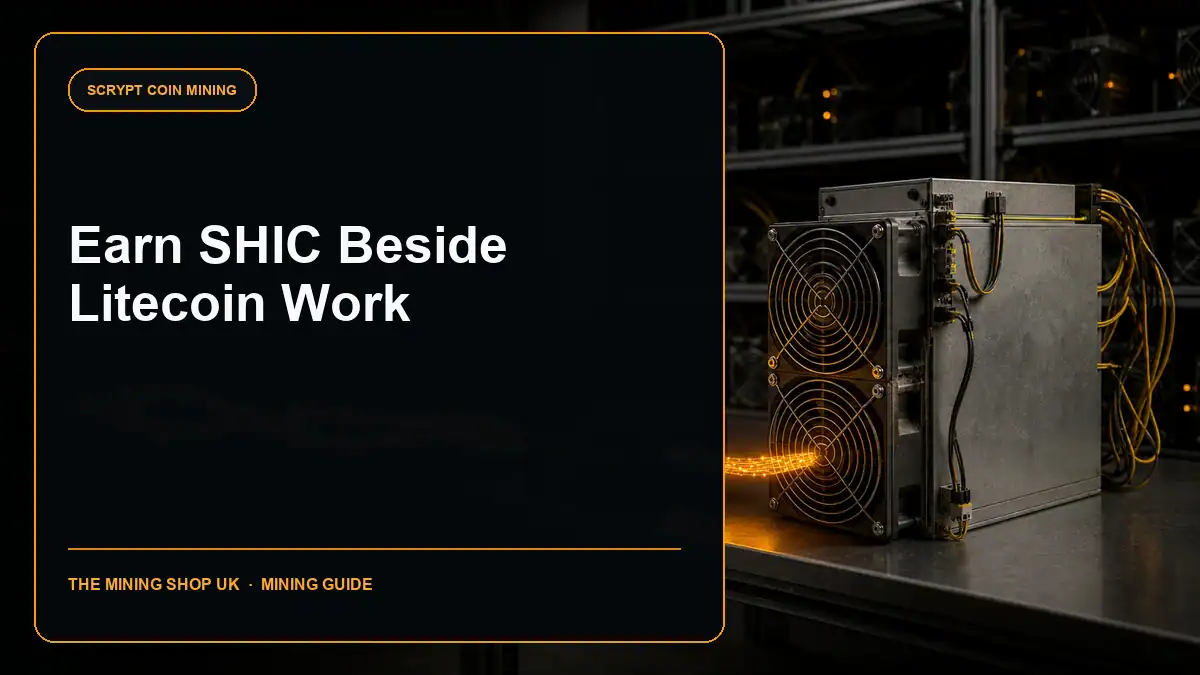
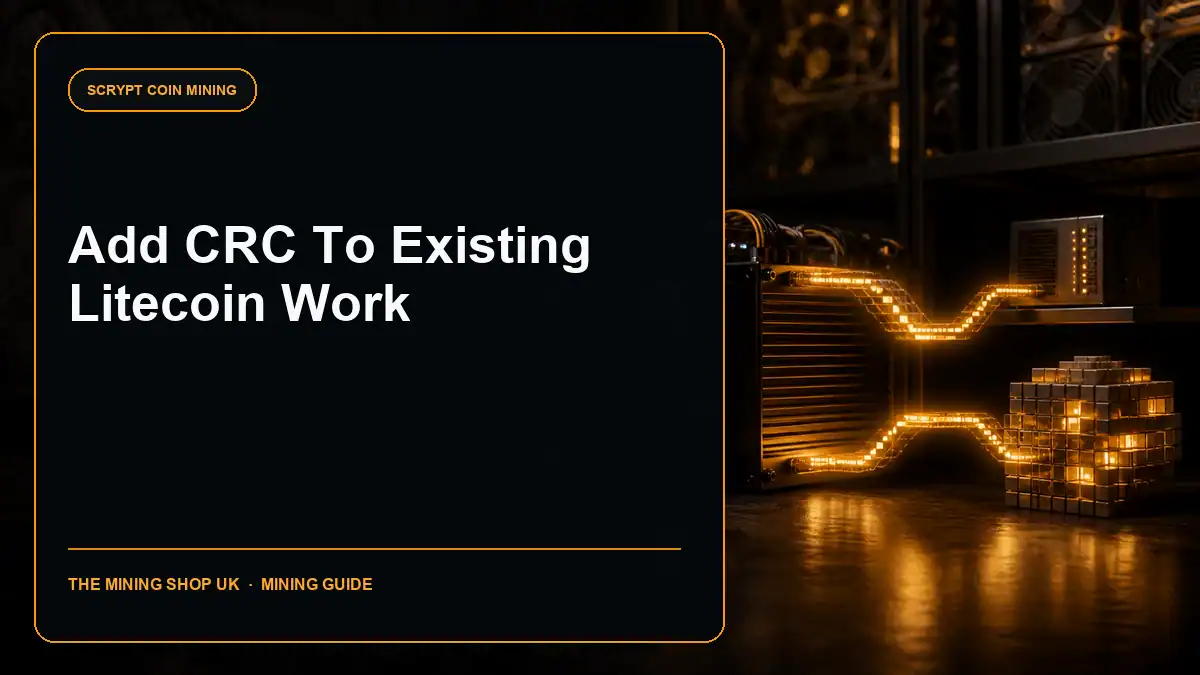
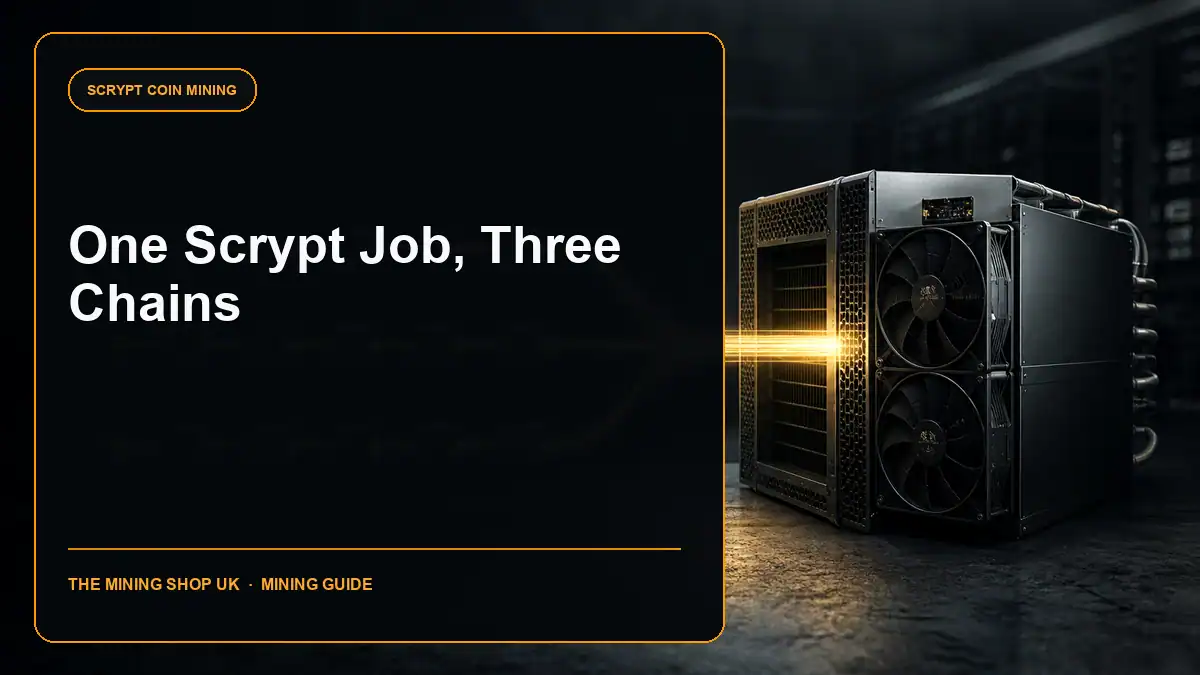
One of the most innovative aspects about Litecoin is its role in merge mining with Dogecoin and other Scrypt-based cryptocurrencies. This technical capability allows miners to simultaneously mine multiple cryptocurrencies using the same computational work, essentially getting multiple chances to earn rewards from a single mining operation.
The security benefits about Litecoin’s merge mining extend beyond just Litecoin itself. By sharing hash rate with Dogecoin and other Scrypt coins, the entire ecosystem becomes more secure against attacks. A bad actor would need to overcome the combined mining power of all merge-mined networks, making attacks exponentially more expensive.
Pool mining strategies about Litecoin often incorporate merge mining as a standard feature, automatically mining compatible cryptocurrencies without additional setup from individual miners. This seamless integration has helped maintain high security levels across multiple Scrypt-based networks while maximising mining profitability.
Technical Innovation: Segregated Witness and Lightning Network
The development trajectory about Litecoin has often involved serving as a testing ground for Bitcoin improvements. Segregated Witness (SegWit), which increases transaction capacity and enables second-layer solutions, was activated on Litecoin before Bitcoin, demonstrating the network’s willingness to embrace beneficial changes.
SegWit implementation about Litecoin occurred in May 2017, several months before Bitcoin’s activation. This early adoption showcased Litecoin’s more agile governance and development process, while also providing valuable real-world testing for an upgrade that would later benefit the entire cryptocurrency ecosystem.
Lightning Network development about Litecoin has been particularly active, with numerous successful tests and implementations. The combination of faster base-layer transactions and Lightning Network instant payments positions Litecoin as one of the most practical cryptocurrencies for everyday use.
The innovation philosophy about Litecoin emphasizes conservative, well-tested improvements over experimental features. This approach has helped maintain network stability while gradually adding functionality that enhances usability and efficiency.
Real-World Adoption: Payment Processing and Merchant Integration
Merchant acceptance about Litecoin has grown steadily, particularly among businesses that value fast, cheap transactions. Payment processors like BitPay, Coinbase Commerce, and others have integrated Litecoin support, making it easy for merchants to accept LTC payments alongside Bitcoin and other cryptocurrencies.
The user experience about Litecoin for payments is generally superior to Bitcoin for small and medium-sized transactions. Lower fees and faster confirmation times make it more practical for everyday purchases, from coffee to electronics. This usability advantage has driven organic adoption among users who prioritize functionality over brand recognition.
International remittances about Litecoin represent a significant use case, particularly in regions where traditional money transfer services are expensive or unreliable. The combination of speed, low fees, and global accessibility makes Litecoin competitive with both traditional remittance services and newer fintech solutions.
Point-of-sale integration about Litecoin has been facilitated by mobile wallets and payment apps that handle cryptocurrency-to-fiat conversion automatically. This infrastructure allows merchants to accept Litecoin without worrying about volatility or technical complexity, similar to accepting credit card payments.
The Charlie Lee Factor: Founder Transparency and Leadership
The leadership story about Litecoin is uniquely transparent in the cryptocurrency space. Charlie Lee has remained publicly involved with the project since its inception, providing stability and continuity that many other cryptocurrencies lack. His decision to sell his Litecoin holdings in 2017 to avoid conflicts of interest was controversial but demonstrated unusual ethical consideration.
Community trust about Litecoin has been built through consistent development, regular communication, and a focus on practical improvements rather than hype-driven marketing. Lee’s engineering background and straightforward communication style have helped maintain credibility even during market downturns.
The governance approach about Litecoin follows Bitcoin’s model of rough consensus among developers, miners, and users. However, Lee’s continued involvement provides a degree of coordination and direction that can be beneficial for implementing improvements and responding to challenges.
Development funding about Litecoin has relied primarily on volunteer contributions and Charlie Lee’s continued involvement, rather than ICO funds or venture capital investment. This organic development model has kept the project focused on utility rather than speculative features.
Market Dynamics: Trading Patterns and Price Discovery
Trading behavior about Litecoin often reflects its position as both a Bitcoin alternative and a standalone cryptocurrency. During Bitcoin bull runs, Litecoin frequently outperforms due to investor excitement about “cheaper” alternatives. During bear markets, it often follows Bitcoin’s downward trends but with higher volatility.
Liquidity considerations about Litecoin include its availability on virtually every major cryptocurrency exchange and its pairing with multiple fiat currencies and cryptocurrencies. This broad availability makes it one of the most accessible cryptocurrencies for both retail and institutional traders.
The price discovery process about Litecoin involves multiple factors including Bitcoin’s performance, adoption metrics, mining profitability, and broader cryptocurrency market sentiment. Its long track record provides more historical data for analysis compared to newer cryptocurrencies.
Institutional interest about Litecoin has grown gradually, with some investment funds and payment companies including it in their cryptocurrency offerings. While not reaching Bitcoin’s level of institutional adoption, Litecoin’s stability and track record make it attractive for conservative cryptocurrency exposure.
Current status and outlook
Development roadmap about Litecoin includes ongoing work on privacy features, scalability improvements, and ecosystem expansion. Privacy enhancements like confidential transactions and other features are being researched, though implementation requires careful consideration of regulatory implications.
Scalability solutions about Litecoin extend beyond just faster blocks to include Lightning Network development, atomic swaps, and other second-layer innovations. The goal is to maintain Litecoin’s usability advantages while preparing for potential mass adoption scenarios.
Ecosystem development about Litecoin includes partnerships with payment processors, wallet providers, and other service companies. The focus remains on practical utility rather than speculative applications, consistent with Litecoin’s pragmatic philosophy.
Regulatory positioning about Litecoin benefits from its long track record, transparent development, and clear utility as a payment system. These factors may provide advantages as cryptocurrency regulation becomes more defined globally.
The Litecoin Foundation: Building Sustainable Development
Non-profit support about Litecoin comes through the Litecoin Foundation, which coordinates development funding, marketing efforts, and ecosystem partnerships. This organizational structure provides stability and continuity for long-term development goals.
Educational initiatives about Litecoin focus on cryptocurrency literacy, payment adoption, and technical education. The foundation works to increase understanding of cryptocurrency benefits while promoting responsible adoption and usage.
Partnership development about Litecoin includes collaborations with payment companies, merchants, and other cryptocurrency projects. These partnerships aim to expand real-world utility rather than just increasing trading volume or speculation.
Research funding about Litecoin supports ongoing development of privacy features, scalability solutions, and other technical improvements. The foundation helps coordinate resources and priorities among developers and researchers.
Lessons from Digital Silver
The longevity about Litecoin demonstrates that sometimes the best innovation is incremental improvement rather than significant change. By focusing on practical enhancements to Bitcoin’s design, Litecoin created lasting value and utility that has persisted through multiple market cycles.
Sustainability considerations about Litecoin include its energy efficiency compared to Bitcoin, stable development community, and practical use cases that generate organic demand. These factors contribute to long-term viability beyond just speculative trading.
The competitive landscape about Litecoin continues to evolve as new cryptocurrencies offer various improvements and features. However, Litecoin’s combination of speed, security, and simplicity maintains its relevance for users who prioritize reliability over current features.
Practical conclusion
The enduring success about Litecoin proves that cryptocurrency doesn’t always need to be significant to be valuable. Sometimes the best solution is taking something that works and making it work better. While other projects chase headlines and hype cycles, Litecoin continues to focus on the fundamentals: fast, cheap, reliable transactions.
Whether Litecoin maintains its position as digital silver depends largely on its ability to continue innovating while preserving the simplicity and reliability that made it successful. In a rapidly evolving cryptocurrency landscape, these steady qualities might be exactly what users need.
The investment thesis about Litecoin ultimately rests on the belief that practical utility and consistent improvement create sustainable value. For those who prefer proven technology over experimental features, Litecoin offers a compelling combination of innovation and stability.
The legacy about Litecoin may be less about significant breakthroughs and more about demonstrating that incremental improvements can create lasting value. In a space often dominated by hype and speculation, that might be the most significant approach of all.
What to verify before acting
Mining networks, pool support, firmware, exchange access and hardware availability can change. Verify the current network documentation, test with a small controlled configuration and do not rely on a historical profitability figure when purchasing equipment.
Useful next steps
Authoritative references
Check current official documentation alongside this article because network rules, product ranges and legal guidance can change.