

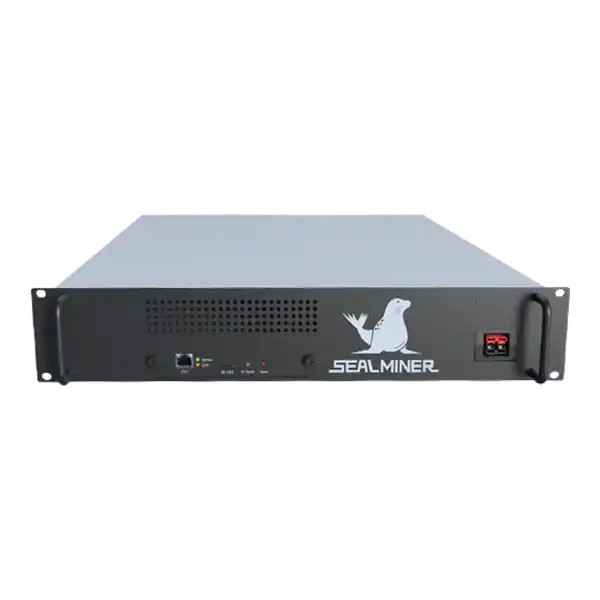
Sealminer DL1 Hydro
Litecoin & Dogecoin ASIC Miner

52.5GH
HASHRATE
149W/GH
EFFICIENCY
7823W
POWER
£774.73
EST. MONTHLY
NO PAYBACK
EST. ROI
Understand ASIC algorithm compatibility, which coins a miner can support, why payout currency is different and when firmware cannot change the silicon.
ASIC algorithm compatibility is determined mainly by the silicon. Firmware can change pools, clocks, voltage, monitoring and supported protocol details. But it cannot normally turn a SHA-256 circuit into Scrypt, kHeavyHash or another unrelated design. An ASIC may support several networks that use its algorithm, and a pool or marketplace may pay in a different asset. But neither fact makes the hardware algorithm-neutral.
ASIC algorithm compatibility: Listings sometimes combine all coins paid by a marketplace with all networks directly mined by the ASIC. Ask for separate algorithm, mineable-network and payout lists.
A miner is checking ASIC algorithm compatibility. Verify each layer before buying or changing a fleet. Verify current consensus rules and active pool support before purchase or deployment.
A proof-of-work network defines the calculation and target that a valid block must satisfy. An ASIC contains circuits optimised for a particular calculation or narrow family. Start with that algorithm, then list networks that currently use it.
Bitcoin uses double SHA-256 proof of work. A Bitcoin ASIC can direct compatible work to Bitcoin or another supported SHA-256 network. But it cannot mine a Scrypt block merely by changing the pool URL.
Networks can fork or change algorithms. A compatibility list is therefore dated. Verify current consensus rules and active pool support before purchase or deployment.
Hashrate numbers across algorithms cannot be compared directly. One terahash of SHA-256 work is not economically or technically equivalent to one terahash of kHeavyHash work.

Firmware operates the controller and hardware. It can select supported pools, construct or receive jobs, set supported clocks and voltage, control fans or pumps, expose telemetry and implement manufacturer features.
Some algorithms have related variants that a specific chip and firmware support. Compatibility must be documented for that model. A shared name or marketing family is not proof.
Firmware can also add a pool protocol or address format needed for a compatible network. That is a communication change, not a new hashing circuit.
Custom tuning may trade hashrate, power and stability within the existing design. It cannot make fixed gates perform arbitrary profitable algorithms at competitive speed.
Where several networks accept the same proof of work, an operator can point compatible hashrate at a pool for a different network. Confirm block template, address, merged-mining, pool and payout support.
The most profitable network can change with price, difficulty, block rewards, fees and pool liquidity. Switching on a headline calculator can fail if the pool is small, withdrawals are restricted or a large hashrate changes difficulty.
Merged mining can let one proof-of-work process support a parent and auxiliary chain under defined rules. The pool must implement it. The ASIC does not independently create the relationship.
Keep tax, accounting and wallet records for the asset actually received. The machine’s algorithm does not decide the business’s reporting treatment.
| Layer | Example question | What decides it |
|---|---|---|
| Silicon | Which work can the ASIC perform? | Chip design |
| Firmware | Which compatible jobs and controls work? | Model-specific software |
| Pool | Which network receives the work? | Pool and endpoint support |
| Marketplace | Who buys compatible work? | Orders and service rules |
| Payout | Which asset reaches the account? | Pool or marketplace option |
| Economics | Which route is viable? | Net revenue and complete cost |
A Scrypt pool can convert rewards and pay bitcoin, or a marketplace can buy Scrypt work and pay its seller in bitcoin. The Scrypt ASIC has not begun performing Bitcoin SHA-256 work.
This distinction matters for product listings, accounting and risk. Describe ‘bitcoin payout’ accurately and do not call it direct Bitcoin mining unless the hashrate actually targets Bitcoin’s algorithm and network.
Switching can be rational where the same algorithm is supported, the pool is reliable and net revenue after all fees and risks improves over a fair period.
Keep a minimum liquidity and counterparty standard; an attractive calculator result on an inaccessible market is not usable revenue.
A different coin name, Stratum address or firmware claim cannot overcome incompatible silicon. Stop where the publisher cannot identify the supported algorithm and model.
Do not install unverified firmware to chase a claimed conversion. It can introduce malware, hidden fees and a failed recovery.
Listings sometimes combine all coins paid by a marketplace with all networks directly mined by the ASIC. Ask for separate algorithm, mineable-network and payout lists.
Another mistake is buying an old algorithm-specific miner because the hardware price is low while ignoring difficulty, energy and resale concentration. A working machine can still have no economic route at the intended tariff.
Do not assume a future network fork will preserve the machine. Model the current documented route and treat future compatibility as uncertain.
Finally, check the site. Algorithm compatibility cannot solve unsuitable voltage, continuous current, heat, noise or cooling.
ASIC algorithm compatibility: Listings sometimes combine all coins paid by a marketplace with all networks directly mined by the ASIC.
A proof-of-work network defines the calculation and target that a valid block must satisfy.
Firmware operates the controller and hardware. It can select supported pools, construct or receive jobs, set supported clocks and voltage, control fans or pumps, expose telemetry and implement manufacturer features.
Where several networks accept the same proof of work, an operator can point compatible hashrate at a pool for a different network.
ASIC algorithm compatibility begins in the chip and ends in a complete supported route through firmware, pool, network and payout. A miner can move among genuinely compatible networks, and its service can pay a different asset. But software cannot ordinarily transform it into an unrelated ASIC. Verify each layer before buying or changing a fleet.
Browse The Mining Shop UK by algorithm and use the profitability tools only after confirming the exact compatible network and payout route.
Identify the algorithm from manufacturer and chip documentation. Coin names and payout choices are secondary to the proof-of-work calculation. A miner can often move among compatible networks and pools, subject to firmware, protocol, address and economic support.
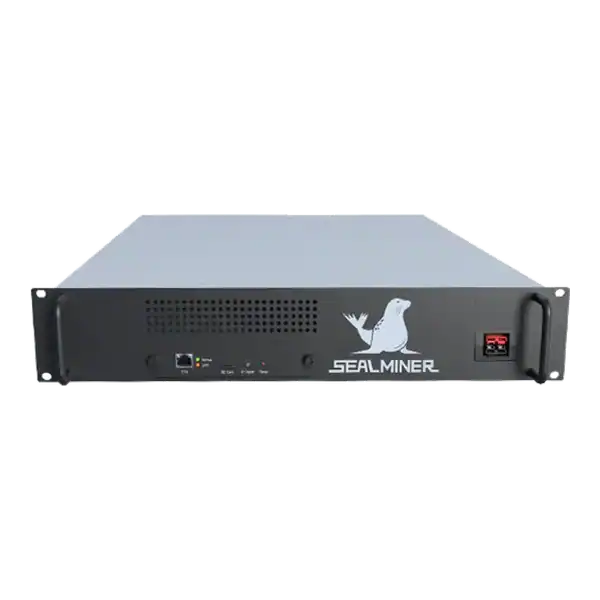

Bitcoin ASIC Compatibility made simple. Compare performance, power, cooling, noise and practical risks before choosing or operating mining hardware.
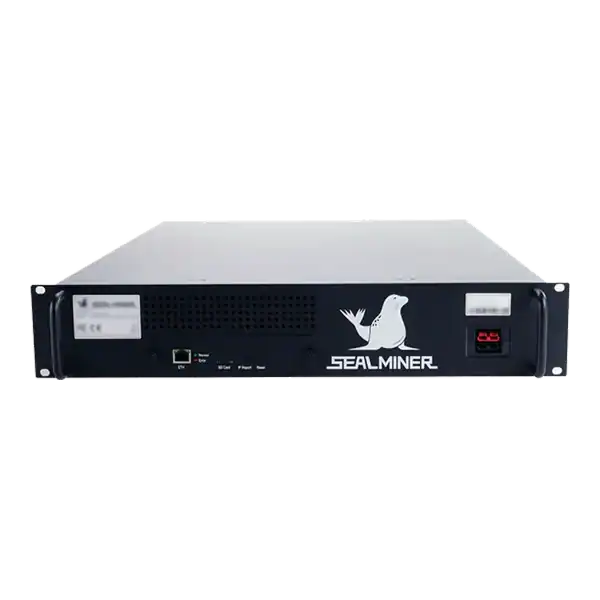
Practical guide to SEALMINER A4 review, covering efficiency and wall power. Compare costs, measured performance and site fit before buying hardware.
Unproven home ASIC launch review: assess an unproven home ASIC launch through manufacturer identity, samples, specifications, certification, firmware, delivery.
Join the ASIC Mining Discussion
Members can read and join the discussion
Log in to read comments from other miners. Create a free account if you would like to ask a question or share your experience.
Membership helps us protect the discussion from spam and keep answers useful.