

Antminer Z15 Pro
Zcash & Horizen ASIC Miner
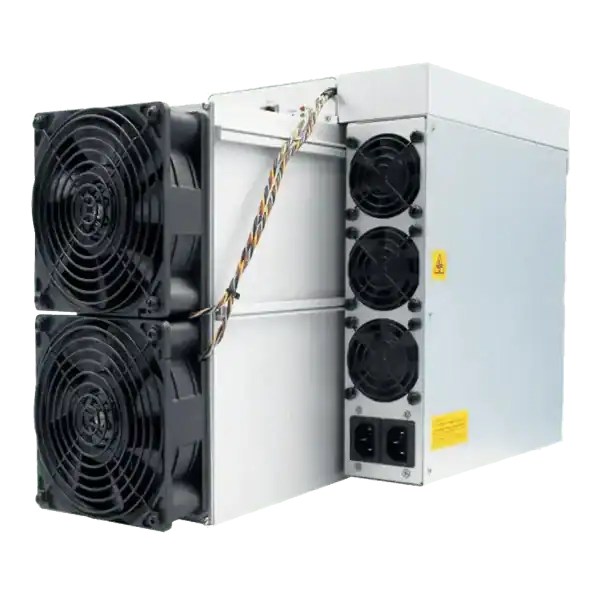

840KSOL
HASHRATE
3.3W/KSOL
EFFICIENCY
2772W
POWER
£1391.76
EST. MONTHLY
9
Months
EST. ROI
Understand ASIC Power Management. Plan electrical load, airflow, heat, noise and cooling for a UK mining site before choosing equipment.
Understand ASIC Power Management. Plan electrical load, airflow, heat, noise and cooling for a UK mining site before choosing equipment.
ASIC Power Management: Improving Efficiency and Uptime puts electrical capacity, heat rejection, airflow, noise and maintenance ahead of headline hashrate. These site conditions determine whether hardware can run reliably.
ASIC Power Management: Power management involves more than just plugging in your miner and letting it run. Advanced techniques help you refine your setup for optimal performance and efficiency.
A site operator is checking ASIC Power Management. If you're expanding operations, invest in newer, more energy-efficient ASIC models. Efficiency Ratings: Choose PSUs with high efficiency ratings (80 Plus Gold or Platinum).
In the fast-evolving world of cryptocurrency mining, Advanced Power Management is the secret weapon to maximise returns on investment (ROI). If you are a hobbyist or a seasoned miner, mastering these techniques can mean the difference between breaking even and achieving outstanding profitability.

ASIC miners are specialised machines designed to mine cryptocurrencies efficiently. However, they consume significant power, often translating to high electricity bills. Properly implemented Advanced Power Management techniques allow miners to reduce energy costs without sacrificing performance, leading to better ROI.
Power management involves more than just plugging in your miner and letting it run. Advanced techniques help you refine your setup for optimal performance and efficiency. Below are some actionable strategies:
Reducing the clock speed (underclocking) and voltage (undervolting) of your ASIC miner can significantly lower power consumption.
Your miner’s power supply unit (PSU) plays a critical role in overall efficiency.
Switching to renewable energy reduces reliance on costly electricity grids.
Updating ASIC firmware ensures access to the latest power-saving features and bug fixes.
Join mining pools that optimise power usage by dynamically adjusting workloads based on network conditions.
Use software to monitor power consumption in real-time. Tools like Awesome Miner offer analytics for fine-tuning performance.
If you’re expanding operations, invest in newer, more energy-efficient ASIC models. Advanced models, such as Bitmain’s Antminer S19 Pro, deliver superior hash rates per watt compared to older units.
ASIC Power Management is most useful when it leads to a documented decision rather than a headline comparison.
ASIC Power Management: Power management involves more than just plugging in your miner and letting it run.
Power management involves more than just plugging in your miner and letting it run.
Check the exact equipment, current documentation, measured results and the main cost or safety risk before making a decision.
Mining Power and Electrical readers should compare the article's facts with their own equipment, location and current operating conditions.
Electrical load and heat output must be designed for continuous operation, not estimated from a domestic appliance comparison. Cooling choice changes noise, maintenance, infrastructure cost and the options for heat recovery.
Use these pages to move from research to a product or operating decision:
Use current official guidance alongside this article because network rules, tax guidance and safety duties can change.
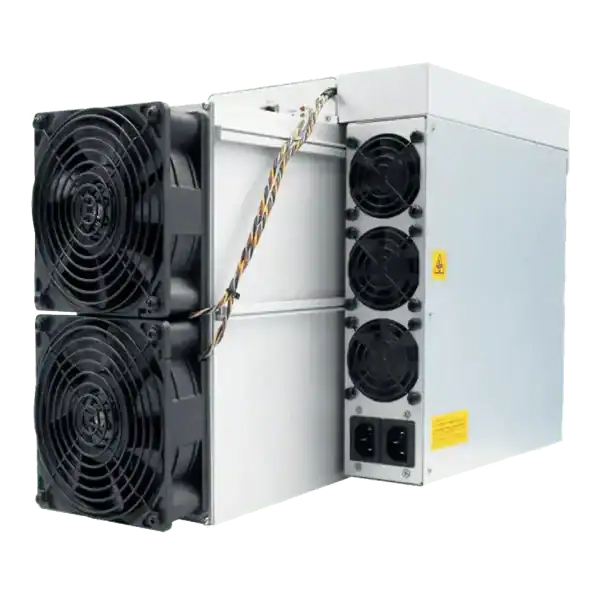
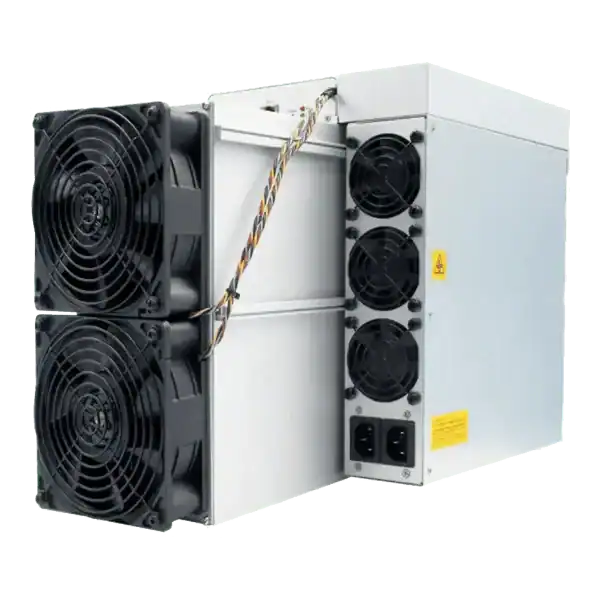
Home Bitcoin miner electricity use made simple. See the main facts, costs, risks and practical checks before you make a decision.
Understand ASIC Mining at Home. Plan electrical load, airflow, heat, noise and cooling for a UK mining site before choosing equipment.
Understand ASIC Mining Energy Efficiency. Plan electrical load, airflow, heat, noise and cooling for a UK mining site before choosing equipment.
Join the ASIC Mining Discussion
Members can read and join the discussion
Log in to read comments from other miners. Create a free account if you would like to ask a question or share your experience.
Membership helps us protect the discussion from spam and keep answers useful.