

Sealminer A4 Ultra Hydro
Bitcoin & Bitcoin Cash ASIC Miner
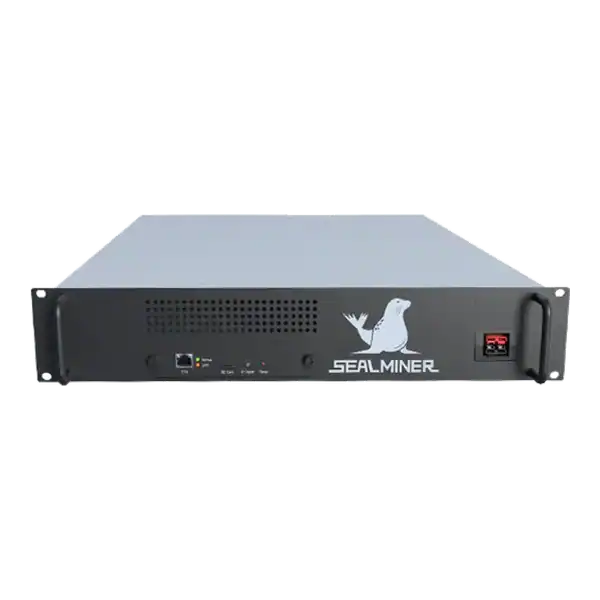

886TH
HASHRATE
9.45W/TH
EFFICIENCY
8373W
POWER
£928.03
EST. MONTHLY
NO PAYBACK
EST. ROI
What is Handshake mining? This guide explains what the network or algorithm means for an ASIC buyer. Check current pool and network details.
What is Handshake mining? This guide explains what the network or algorithm means for an ASIC buyer. Check current pool and network details.
What Is Handshake Mining? HNS ASICs Explained explains what the network or algorithm means for an ASIC buyer. A miner is normally tied to one algorithm family. So compatibility must be confirmed before purchase.
Handshake mining: Handshake, at its core, is a decentralised domain naming protocol. Unlike traditional domain systems controlled by centralised entities, Handshake ensures the distribution of domain name ownership across users.
A node operator wants to understand Handshake mining. The Handshake algorithm powers this protocol, ensuring secure, efficient, and equitable domain name mining and registration. The Handshake algorithm is structured to help mining of domain names, akin to how miners mine for Bitcoin or Ethereum.
The realm of cryptocurrency mining is changing, with new algorithms being developed to bolster security, speed, and decentralisation. One such standout is the Handshake Algorithm. As you navigate this article, we’ll look closely to answer, “What is the Handshake Algorithm in Mining?”
Handshake, at its core, is a decentralised domain naming protocol. Unlike traditional domain systems controlled by centralised entities, Handshake ensures the distribution of domain name ownership across users. The Handshake algorithm powers this protocol, ensuring secure, efficient, and equitable domain name mining and registration.

The Handshake algorithm is structured to help mining of domain names, akin to how miners mine for Bitcoin or Ethereum. It incorporates:
The embrace of the Handshake protocol and its underlying algorithm signals a seismic shift towards a decentralised web. It’s a vision where users, not corporations, have command over their digital identities and assets.
The Handshake algorithm, driving the decentralised domain name system, exemplifies the potential of the crypto world to reinvent how we perceive digital ownership. As we respond to “What is the Handshake Algorithm in Mining?”, we also glimpse the transformative horizon of a truly decentralised internet.
Stay connected as we continue to dissect and explore the multifaceted world of cryptocurrency algorithms and mining paradigms.
Start with the exact equipment, network or service described in this guide. Record the model, firmware, rated and measured wall power, supported algorithm, pool endpoint and the date on which each fact was checked. A product name or broad algorithm label is not enough to prove compatibility.
For bitcoin, coins and algorithms, calculate the position using the electricity tariff actually payable, pool fees, rejected shares, expected uptime, cooling load and maintenance. Keep gross revenue separate from operating cost. Repeat the calculation with lower revenue and higher difficulty so the downside is visible before money or equipment is committed.
Confirm that fixed wiring, protective devices, cabling, ventilation and access arrangements suit continuous operation. Use a competent electrician where fixed electrical work is involved. Keep firmware and wallet credentials secure, test with one worker first and retain a written baseline so later changes can be compared with evidence.
Before committing equipment, compare at least two operating cases. Use the expected case with measured power and current revenue, then an adverse case with higher difficulty, lower revenue, added downtime and repair cost. This shows whether is Handshake mining remains workable when conditions move against the operator.
Retain the manufacturer specification, firmware checksum, photographs, serial number, pool test, meter reading and calculation date. Those records make warranty, resale, insurance and troubleshooting decisions easier. They also prevent an old dashboard estimate from being mistaken for current evidence.
Handshake mining: Handshake, at its core, is a decentralised domain naming protocol. Unlike traditional domain systems controlled by centralised entities, Handshake ensures the distribution of domain name ownership across users.
Handshake, at its core, is a decentralised domain naming protocol. Unlike traditional domain systems controlled by centralised entities, Handshake ensures the distribution of domain name ownership across users.
The Handshake algorithm is structured to help mining of domain names, akin to how miners mine for Bitcoin or Ethereum.
Decentralisation: By sidestepping central authorities, the algorithm empowers people with domain ownership.
Algorithm compatibility determines which ASIC families can participate on a network. A shared algorithm does not guarantee equal profitability, pool support, liquidity or long-term network demand.
Use these pages to move from research to a product or operating decision:
Use current official guidance alongside this article because network rules, tax guidance and safety duties can change.
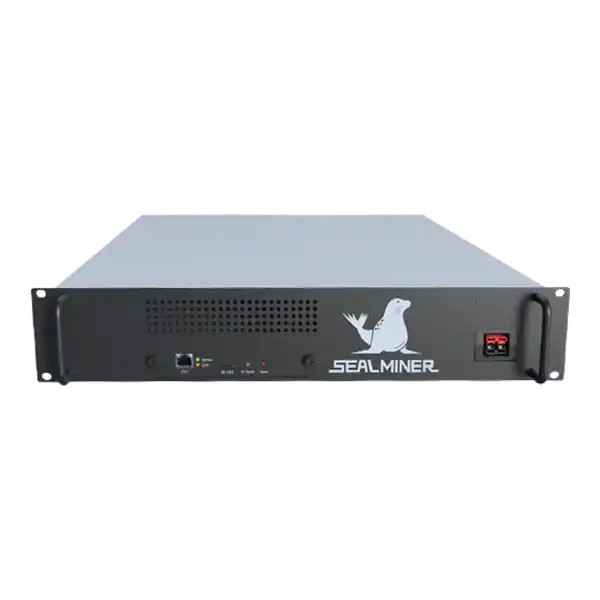

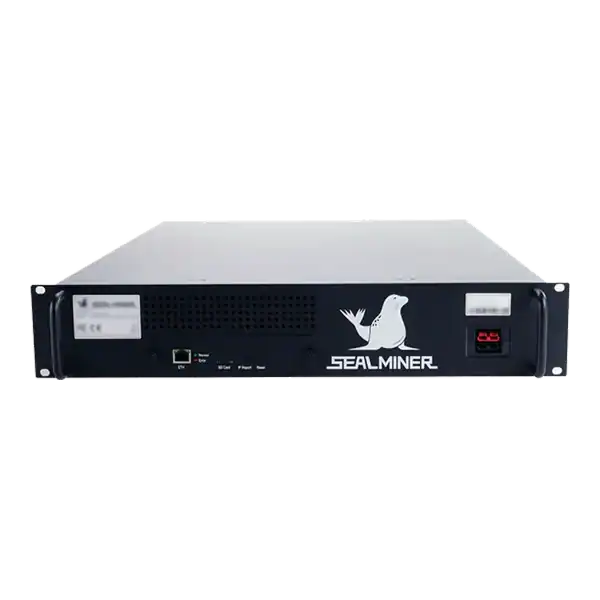
Kaspa Crescendo mining made simple. Compare performance, power, cooling, noise and practical risks before choosing or operating mining hardware.
Understand Quai Network mining, KawPoW blocks, SHA-256 and Scrypt workshares, pool checks and operating risks for UK miners.
Aleo Mining made simple. See how the network works, which hardware matters and what to check before using electricity.
Join the ASIC Mining Discussion
Members can read and join the discussion
Log in to read comments from other miners. Create a free account if you would like to ask a question or share your experience.
Membership helps us protect the discussion from spam and keep answers useful.