

Antminer Z15 Pro
Zcash & Horizen ASIC Miner
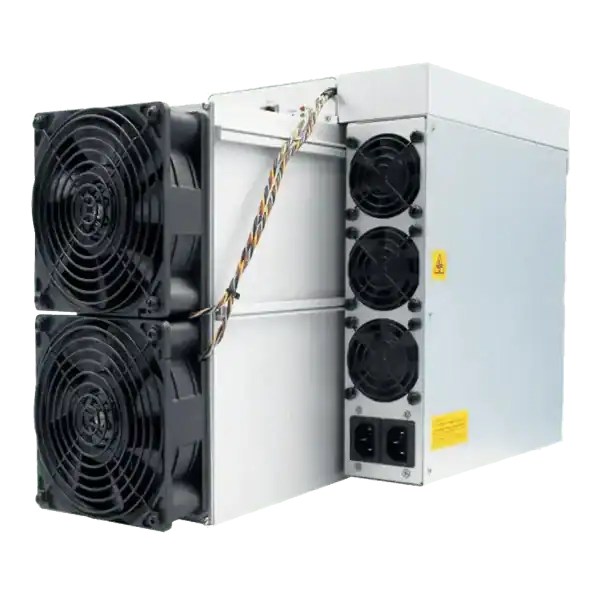

840KSOL
HASHRATE
3.3W/KSOL
EFFICIENCY
2772W
POWER
£1385.48
EST. MONTHLY
9
Months
EST. ROI
What is Bitcoin mining? Learn how proof of work builds blocks, how pools pay miners and which electricity, cooling and risk checks matter for a UK ASIC setup.
What is Bitcoin mining? It is the open competition that orders valid Bitcoin transactions into blocks and adds costly proof of work to the chain. Miners use specialised computers to test block headers. Full nodes independently check every winning block before accepting it.
Mining is not a guaranteed way to create money. A UK operator must pay for hardware, electricity, cooling, repairs and pool fees while revenue changes with network difficulty, fees and Bitcoin's market value. This guide separates the Bitcoin job from the business decision.
Estimated reading time: 7 minutes
Bitcoin mining is a worldwide lottery based on useful proof. Each machine makes huge numbers of guesses. A rare valid result lets a miner propose a block, while every full node checks the transactions, reward and proof before adding it to local history.
A pool sends an ASIC a block template and an easier share target. The machine returns many shares showing completed work. If the pool finds a real block, its payout system divides credit under published rules. The individual ASIC did work but did not personally create every credited satoshi.
| ASIC: | A computer built to run one mining algorithm efficiently. |
|---|---|
| Hash: | A fixed length result produced from input data. |
| Block: | A checked group of transactions linked to earlier Bitcoin history. |
| Difficulty: | The network measure that controls how hard a valid proof is to find. |
| Mining Pool: | A service that combines work and allocates rewards under stated rules. |
A clear answer to what is Bitcoin mining starts with a candidate block containing valid transactions. A miner calculates a block header and changes selected fields while searching for a SHA-256 result below the current target. The search is repetitive and probabilistic rather than a puzzle solved by clever shortcuts.
Finding a suitable hash gives the miner a block proposal. It does not give permission to ignore Bitcoin rules. Peers relay the block and full nodes check its proof, transactions, subsidy, scripts and link to the previous accepted block.
Proof of work makes proposing history costly while keeping verification cheap. An attacker trying to replace confirmed blocks must redo their work and compete with new work added by the rest of the network.
Energy is part of that physical cost, but energy use alone does not make a block valid. The header still needs the correct target and the transactions must satisfy consensus. Nodes reject invalid rewards even when substantial electricity was spent.
Mining software selects transactions, normally considering fee rate, dependency and block limits. It creates a coinbase transaction paying the allowed subsidy and fees, then commits the transactions through a Merkle root in the header.
Pools can construct templates centrally, while newer systems can give miners more choice. The exact arrangement affects censorship resistance and failure paths, but every accepted result must still describe one valid block.

A valid coinbase can claim the current block subsidy plus fees from included transactions. The subsidy halves every 210,000 blocks and cannot be increased by a pool or firmware setting.
Transaction fees vary with demand and block space. Gross block reward is not the same as one operator's income because pool method, service fees, accepted hashrate, rejects and payout thresholds intervene.
A solo miner keeps a valid block reward but may wait an extremely long and uncertain time. Short periods can produce nothing even when the machine works correctly. Expected value does not remove variance.
A pool collects easier proofs called shares and allocates credits under PPS, FPPS, PPLNS or another stated method. The operator trades some control, fees and counterparty risk for a smoother payment pattern.
Expected Bitcoin revenue depends on the operator's share of network work, the subsidy, transaction fees and uptime. This economic part of what is Bitcoin mining changes even when the SHA-256 process stays the same. Rising difficulty usually reduces the expected reward for unchanged hashrate.
Sterling revenue also changes with the Bitcoin exchange rate. A calculator that freezes difficulty, fees or price for a long payback period is a scenario, not a forecast. Save every input and calculation date.
Measure electricity at the wall and include fans, pumps, networking and other site loads. Apply the tariff actually payable, including standing charges, time bands, demand charges and tax where relevant.
Cooling, noise control, electrician work, repairs, pool fees, insurance, finance and downtime are real costs. Domestic rooms can be unsuitable for continuous high current, heat and tonal noise even when a plug can be fitted.
Bitcoin uses double SHA-256 proof of work. Modern Bitcoin mining is performed by SHA-256 ASICs. A Scrypt miner, graphics card or Ethereum era rig cannot become a competitive Bitcoin miner through a pool setting.
Verify the exact model, rated voltage, connector, wall power, efficiency, firmware source and operating mode. A lower purchase price does not rescue hardware that cannot run safely or economically at the intended site.
Use unique pool credentials, protected payout addresses, segmented networks and official firmware. Confirm any payout-address change through a trusted channel and retain alerts for offline workers and rejected shares.
Reconcile pool statements to wallet receipts and record wall energy, uptime, repairs and serial numbers. Those records support tax, warranty and performance checks and expose dashboards that show gross estimates rather than paid revenue.
Proceed only after confirming electrical capacity, cooling, noise, hardware condition, pool terms, custody, downside costs and a lawful site. Test one worker before scaling and compare its accepted work with the wall meter.
Stop when profit depends on a guaranteed price rise, hidden electricity, permanent perfect uptime or a seller controlled wallet. Mining can be technically successful and still lose money. The evidence must support both the Bitcoin process and the operating case.
People asking what is Bitcoin mining should be able to trace the answer from a valid candidate block to independent node acceptance. The words describe a network process, not a machine that prints guaranteed income.
A useful answer to what is Bitcoin mining also follows pool shares to a wallet receipt. Work shown only on a seller dashboard is not enough.
The business side of what is Bitcoin mining begins at the wall meter. Electricity, cooling, repairs, fees and downtime belong in the same dated record.
Finally, what is Bitcoin mining for one operator may be solo work or pooled work. The payout route changes variance and counterparty risk, but it does not change Bitcoin's validity rules.
Bitcoin consensus, difficulty and fee conditions change, so live values must be checked at the decision date.
This guide explains mining and does not promise profit or recommend a financial investment.
UK electrical, planning, noise, tax and business duties depend on the actual installation and activity.
| Question | Evidence |
|---|---|
| Is the machine compatible? | Exact SHA-256 model and official specification |
| Is it working? | Accepted shares, rejects and uptime |
| What does it cost? | Wall energy and complete site costs |
| What was paid? | Pool ledger and wallet transactions |
| Is it safe? | Electrical, heat, noise and access assessment |
A table is a starting point, not a promise. Verify current official sources and apply each detail to the decision you are actually making.
Miners select transactions, but full nodes independently verify every accepted block and transaction.
Modern network competition uses specialised SHA-256 ASICs, and profitability depends on the complete cost boundary.
No. It raises probability, but any short period can differ greatly from the expected result.
No. A pool allocates credit for shares, while a solo miner is paid only after finding a valid block.
No. Revenue and difficulty change, while electricity and operating costs may exceed receipts.
What is Bitcoin mining? It is the proof-of-work process that proposes blocks to a network of independently validating nodes. The technical job can be explained clearly, but the business result needs measured hardware, wall energy, pool receipts and site costs. Start small, keep records and never treat a calculator as a guarantee.
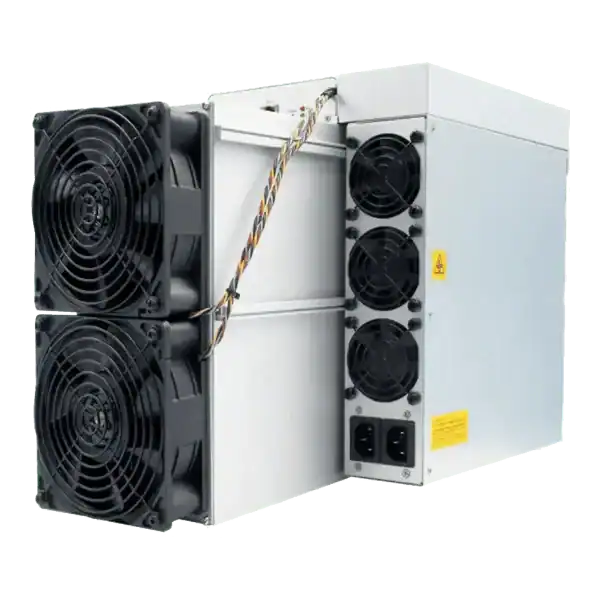
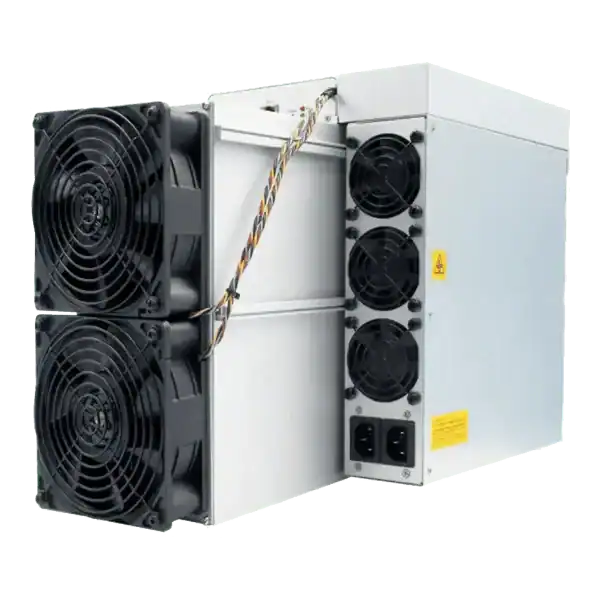
Community built mini ASIC review: review a community-built mini ASIC through open design files, component provenance, firmware, board safety, reproducible.
NerdMiner V2 vs NerdNOS: compare NerdMiner V2 and NerdNOS by computing hardware, hashrate class, software provenance, power, cooling, pool support, learning.
NerdMiner alternatives: Choose an architecture first: ESP32 display, single-chip open ASIC, controller-dependent USB miner or compact home appliance.
Join the ASIC Mining Discussion
Members can read and join the discussion
Log in to read comments from other miners. Create a free account if you would like to ask a question or share your experience.
Membership helps us protect the discussion from spam and keep answers useful.