

Antminer Z15 Pro
Zcash & Horizen ASIC Miner
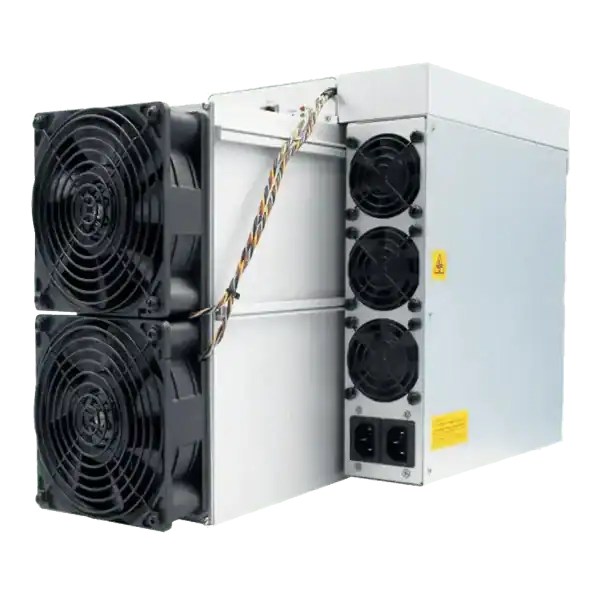

840KSOL
HASHRATE
3.3W/KSOL
EFFICIENCY
2772W
POWER
£1393.33
EST. MONTHLY
9
Months
EST. ROI
About Bitmain made simple. Compare performance, power, cooling, noise and practical risks before choosing or operating mining hardware.
Understand About Bitmain. Compare algorithms, current ranges, power, cooling, support and site suitability before choosing equipment.
Bitmain Antminer: Brand and Bitcoin Miner Guide is a buyer guide, not an endorsement of every machine carrying the brand name.
About Bitmain: Imagine two miners with similar hashrate. One uses less electricity, but needs expensive electrical and cooling work. The other uses more power, but already fits the site.
A miner is checking About Bitmain. Confirm voltage, current, plug, cable, isolation, earthing and protective devices before installation. If the plan fails after a small change, it has little room for error.
A manufacturer name tells you who made a machine. It does not tell you whether that machine suits your power supply, cooling system, noise limit or mining plan. Two models from the same brand can have very different needs.
Write down the full model name and rated version. Check the algorithm, hashrate, wall power and efficiency. Then compare those figures with the seller’s description and current manufacturer information.

Hashrate is the amount of mining work attempted each second. Efficiency shows how much electricity is used for that work. A higher hashrate can still be a poor choice if the power cost is too high.
Use measured wall power when it is available. A chip or test-mode figure may leave out fans, pumps or power-supply losses. Test worse conditions as well as the headline setting.
ASIC miners are continuous electrical loads. Confirm voltage, current, plug, cable, isolation, earthing and protective devices before installation. A competent electrician should assess the real circuit and duty cycle.
Do not choose a miner first and hope the room can support it later. Electrical work, cooling and noise control can change the true project cost.
Nearly all electricity used by a miner becomes heat. The room needs a safe path for cool air to enter and hot air to leave. Hydro and immersion systems still need pumps, heat exchangers and a place to reject heat.
Noise data also needs context. Fan speed changes with temperature and load. Test the machine in conditions similar to the planned site.
Use firmware from a trusted source. Match it to the exact control board and hardware revision. Keep a record of the original version and the steps needed to recover the machine.
Change default passwords. Restrict dashboard access. Check the pool address and payout wallet before the full test. Watch accepted shares, rejects, temperature, fan speed and restarts.
Read the written warranty instead of relying on a sales headline. Check the length of cover, exclusions, shipping responsibility and the evidence needed for a claim. Ask how repairs are handled in the UK.
Spare-part access matters after the warranty ends. Confirm whether fans, power supplies, control boards and hashboards can be identified and tested.
Imagine two miners with similar hashrate. One uses less electricity, but needs expensive electrical and cooling work. The other uses more power, but already fits the site. The better choice depends on the complete installed cost and expected running cost.
Now test lower revenue, higher difficulty and downtime. If the plan fails after a small change, it has little room for error.
About Bitmain: Imagine two miners with similar hashrate. One uses less electricity, but needs expensive electrical and cooling work.
A manufacturer name tells you who made a machine. It does not tell you whether that machine suits your power supply, cooling system, noise limit or mining plan.
Hashrate is the amount of mining work attempted each second. Efficiency shows how much electricity is used for that work.
ASIC miners are continuous electrical loads. Confirm voltage, current, plug, cable, isolation, earthing and protective devices before installation.
Bitmain Antminer: Brand and Bitcoin Miner Guide should help you compare a specific machine. Check the model, power, efficiency, site needs, firmware, support and full cost. A brand name by itself is never enough.
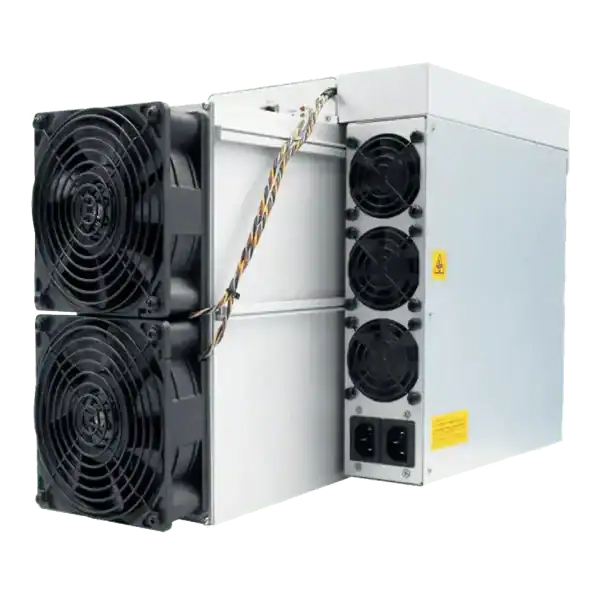
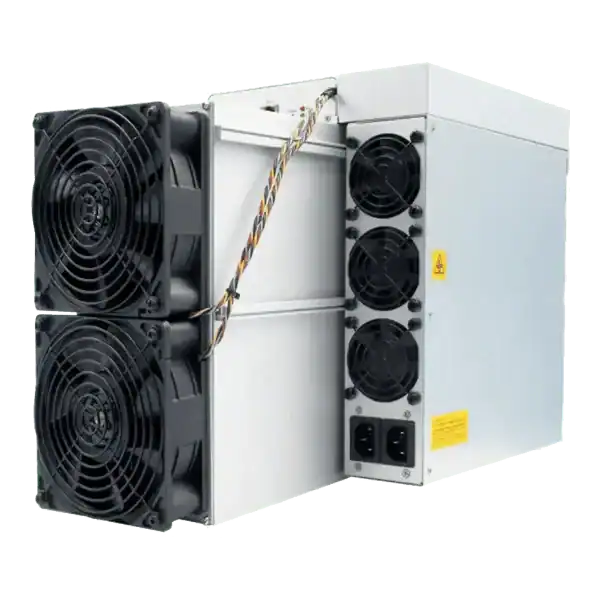
Bombax ASIC Miners made simple. Compare performance, power, cooling, noise and practical risks before choosing or operating mining hardware.
Bitdeer ASIC Miners and Mining Infrastructure made simple. Compare performance, power, cooling, noise and practical risks before choosing or operating mining hardware.
ElphaPex DG Miners made simple. See the main facts, costs, risks and practical checks before you make a decision.
Join the ASIC Mining Discussion
Members can read and join the discussion
Log in to read comments from other miners. Create a free account if you would like to ask a question or share your experience.
Membership helps us protect the discussion from spam and keep answers useful.