

Antminer Z15 Pro
Zcash & Horizen ASIC Miner
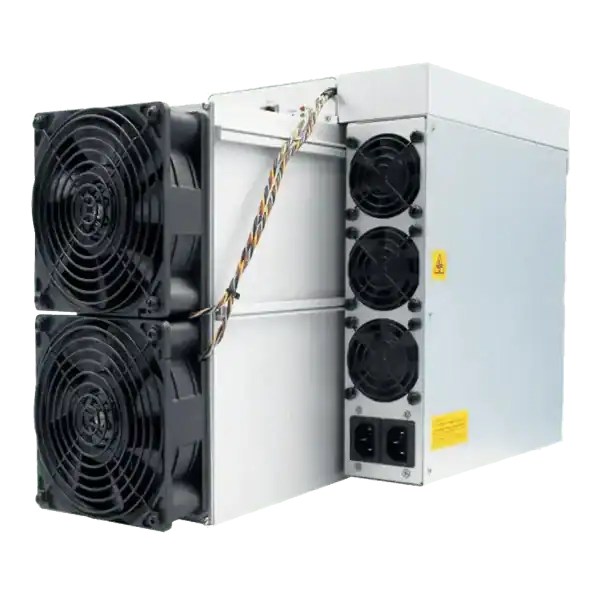

840KSOL
HASHRATE
3.3W/KSOL
EFFICIENCY
2772W
POWER
£1385.48
EST. MONTHLY
9
Months
EST. ROI
UK crypto losses: understand capital losses, negligible value claims, record keeping and when a mining business should obtain qualified UK tax advice.
UK crypto losses: understand capital losses, negligible value claims, record keeping and when a mining business should get qualified UK tax advice.
UK crypto losses: A negligible-value claim can sometimes treat an asset as disposed of and immediately reacquired where it has become worth next to nothing.
A UK business owner is checking UK crypto losses. Classify the activity before trying to offset the amount. A token that is merely volatile or temporarily illiquid does not automatically qualify.
Investment disposals normally produce capital gains or losses. A qualifying trading or miscellaneous-income loss is governed by Income Tax rules. Classify the activity before trying to offset the amount.

Allowable losses are first set against gains for the year. Unused losses can generally be carried forward once properly notified, subject to the rules in force. Keep the calculation and evidence for each disposal.
A negligible-value claim can sometimes treat an asset as disposed of and immediately reacquired where it has become worth next to nothing. Conditions, timing and evidence matter. A token that is merely volatile or temporarily illiquid does not automatically qualify.
Losing access to a private key is not necessarily a disposal because ownership can remain. An exchange or counterparty failure may create a different legal asset or claim. Establish what is owned and recoverable before applying tax treatment.
A trading miner may have business-loss rules available. At the same time, non-trading mining receipts may fall under miscellaneous income. Get advice before setting losses against other income or gains.
Start with the exact equipment, network or service described in this guide. Record the model, firmware, rated and measured wall power, supported algorithm, pool endpoint and the date on which each fact was checked. A product name or broad algorithm label is not enough to prove compatibility.
For mining tax, regulation and compliance, calculate the position using the electricity tariff actually payable, pool fees, rejected shares, expected uptime, cooling load and maintenance. Keep gross revenue separate from operating cost. Repeat the calculation with lower revenue and higher difficulty so the downside is visible before money or equipment is committed.
Confirm that fixed wiring, protective devices, cabling, ventilation and access arrangements suit continuous operation. Use a competent electrician where fixed electrical work is involved. Keep firmware and wallet credentials secure, test with one worker first and retain a written baseline so later changes can be compared with evidence.
Before committing equipment, compare at least two operating cases. Use the expected case with measured power and current revenue, then an adverse case with higher difficulty, lower revenue, added downtime and repair cost. This shows whether UK crypto losses remains workable when conditions move against the operator.
Retain the manufacturer specification, firmware checksum, photographs, serial number, pool test, meter reading and calculation date. Those records make warranty, resale, insurance and troubleshooting decisions easier. They also prevent an old dashboard estimate from being mistaken for current evidence.
UK crypto losses: A negligible-value claim can sometimes treat an asset as disposed of and immediately reacquired where it has become worth next to nothing.
Investment disposals normally produce capital gains or losses. A qualifying trading or miscellaneous-income loss is governed by Income Tax rules.
Allowable losses are first set against gains for the year. Unused losses can generally be carried forward once properly notified, subject to the rules in force.
A negligible-value claim can sometimes treat an asset as disposed of and immediately reacquired where it has become worth next to nothing.
Keep acquisition records, disposal evidence, sterling valuations and any negligible value claim calculation with the supporting tax records.
A fall in token price is not automatically an allowable loss. Usually there must be a disposal or a valid claim, and income losses follow different rules from capital losses. Keep contemporaneous GBP valuations and evidence for income, acquisitions and disposals.
Use current official guidance because tax rules and HMRC guidance can change.
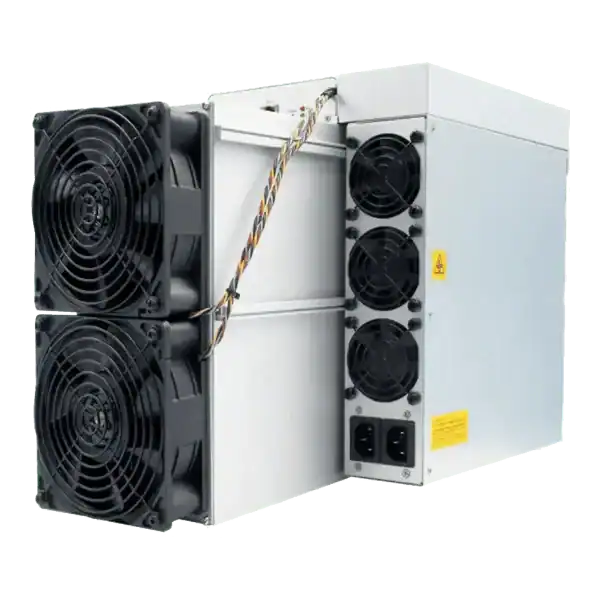
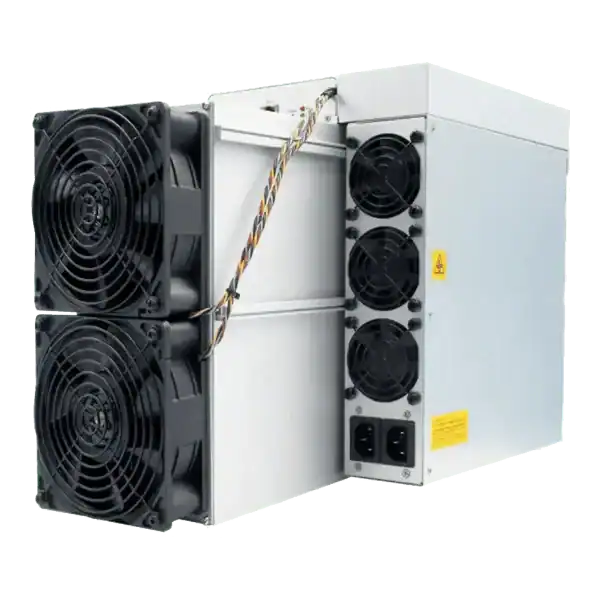

ASIC insurance coverage exclusions: review ASIC insurance exclusions for wear, electrical breakdown, overheating, corrosion, firmware, cyber events, unattended.
ASIC hardware insurance UK: prepare ASIC hardware insurance evidence for UK-owned miners: asset schedule, valuation, site, electrical controls, custody.

Claim VAT on ASIC Miners made simple. Check the UK rules, records, figures and evidence before filing a return or taking professional advice.
Join the ASIC Mining Discussion
Members can read and join the discussion
Log in to read comments from other miners. Create a free account if you would like to ask a question or share your experience.
Membership helps us protect the discussion from spam and keep answers useful.