

Sealminer A4 Ultra Hydro
Bitcoin & Bitcoin Cash ASIC Miner
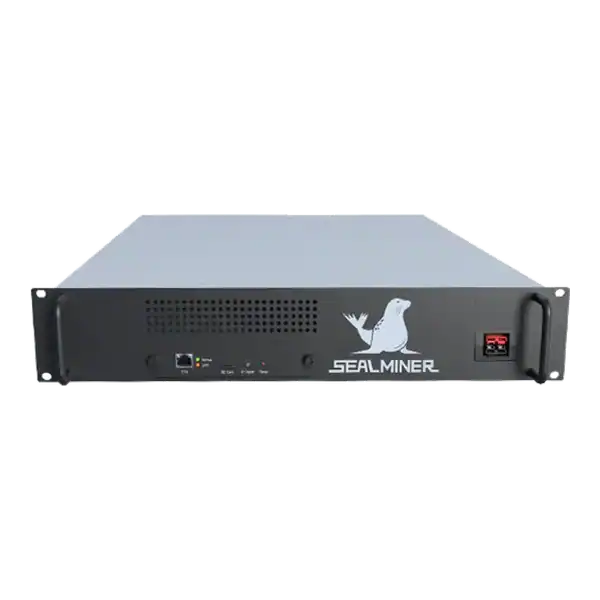

886TH
HASHRATE
9.45W/TH
EFFICIENCY
8373W
POWER
£898.19
EST. MONTHLY
NO PAYBACK
EST. ROI
Plan on-site power for ASIC miners through generation capacity, private wire, DNO connection, metering, protection, fuel, emissions, contracts and uptime.
On-site power for ASIC miners can come from solar, wind, hydro, biogas, gas generation or another lawful source. But the project is wider than matching kW.
The owner must establish fuel or resource rights, generation and load profiles, private-wire and grid connection, metering, electrical protection, emissions and planning, cooling, commercial ownership and what happens when generation stops.
This is the central practical project checklist for UK operators considering a dedicated commercial Bitcoin mining electrical load installation. Separate articles handle solar matching and intermittent control in depth.
On-site power for ASIC miners is an infrastructure and contract project, not merely an energy-price offer.
A site operator is checking on-site power for ASIC miners. Establish the lawful physical boundary, interval availability, protection, metering, environmental duties and exit rights before hardware arrives.
Draw the generation, transformer, switchgear, private wire, grid connection, ordinary loads, miner distribution, cooling and meters on one controlled single-line diagram.
Identify the legal owner and operator of each part and the land or lease rights supporting it. A verbal promise of surplus power is not a durable site right.
State whether the miner is behind the same meter, connected by private wire, operated by the generator or supplied under an electricity contract. Get energy-law and tax advice for the actual structure.
Define capacity, availability, quality, start date, term, price, indexation, deposit, curtailment and exit in the commercial schedule.

| Source | Key evidence | Common omission |
|---|---|---|
| Solar or wind | Interval resource and output | Seasonal mismatch |
| Hydro | Flow, permits and seasonal profile | Dry-period availability |
| Biogas | Feedstock, gas quality and engine duty | Parasitic plant load |
| Gas engine | Fuel contract, efficiency and emissions | Maintenance and carbon cost |
| Battery | Energy, power, cycles and warranty | Losses and replacement |
| Mixed system | Control and priority logic | Double-counted energy |
Use measured history where available and disclose gaps. A new technology demonstration needs wider uncertainty and staged capacity than a mature operating plant.
Subtract parasitic generation use before allocating power to miners. Pumps, digesters, compressors, inverters and treatment can consume material energy.
Engage the relevant Distribution Network Operator and competent designers early. Generation, storage, export limitation, islanding and material loads can require studies, settings, protection and witnessed commissioning.
Confirm voltage, fault level, harmonics, power factor, earthing, discrimination, isolation and transformer capacity for continuous electronic loads. Do not size solely from aggregate miner nameplates.
Design miner circuits, PDUs, connectors and cooling to current applicable standards and manufacturer requirements. Provide safe emergency and maintenance isolation.
If island operation is proposed, ensure lawful separation, frequency and voltage control, black start and protection. Do not back-feed a public or private network through improvised equipment.
Check planning, noise, air quality, emissions permitting, fuel storage, water, heat discharge, fire, traffic and operating-hour requirements with the relevant authorities and advisers.
Generators, dry coolers and ASIC fans create combined sound. Assess occupied and boundary positions rather than testing each item in isolation.
Environmental claims must reflect fuel, methane leakage, grid import, curtailment and the chosen accounting boundary. Retain meter and source evidence.
Engage neighbours and landlords where appropriate. A lawful connection does not automatically resolve nuisance or lease restrictions.
Install agreed meters for generator output, ordinary site load, miner circuits, auxiliaries, grid import and export. Specify accuracy, access, time zone, data retention and missing-data rules.
Settle energy from the contractual meter and tariff formula, not a miner dashboard. Reconcile productive pool work separately.
Define taxes, VAT, network and capacity charges, certificates or environmental attributes and who may claim them. Do not sell or claim the same attribute twice.
Protect meter and control access. An operator should not be able to change both energy evidence and payout evidence without review.
Decide whether miners stop when generation falls, import from the grid, switch fuel, use storage or move to another site. Price each route and get the necessary connection rights.
Maintain generators, switchgear, cooling and miners under coordinated schedules. A miner-ready site can still be idle because a generator part or feedstock is unavailable.
Use safe control sequencing and verify accepted work after restoration. Record energy availability separately from pool productive uptime.
Plan insolvency, lease termination, policy change and equipment removal. Bespoke infrastructure can become stranded with the ASICs.
Set a formal stage gate before ordering miners, another before energisation and a final gate before normal service. Each should name the responsible technical, commercial and safety approvers and the evidence that remains outstanding.
Keep an assumptions register for resource, tariff, mining revenue, difficulty, uptime, generator overhaul and resale. A change in one material assumption should trigger a documented reforecast rather than an informal reassurance.
On-site power for ASIC miners is an infrastructure and contract project, not merely an energy-price offer.
Draw the generation, transformer, switchgear, private wire, grid connection, ordinary loads, miner distribution, cooling and meters on one controlled single-line diagram.
Use measured history where available and disclose gaps. A new technology demonstration needs wider uncertainty and staged capacity than a mature operating plant.
Engage the relevant Distribution Network Operator and competent designers early. Generation, storage, export limitation, islanding and material loads can require studies, settings, protection and witnessed commissioning.
On-site power for ASIC miners is an infrastructure and contract project, not merely an energy-price offer. Establish the lawful physical boundary, interval availability, protection, metering, environmental duties and exit rights before hardware arrives. Then reconcile generator evidence with miner energy and accepted work so cost and sustainability claims remain defensible.
For fuelled generation, reconcile delivered fuel, generator output and miner energy as separate quantities. This exposes leaks, conversion losses and unplanned ordinary loads. For renewable resources, retain the equivalent resource and curtailment evidence so availability and environmental claims remain traceable to the physical source rather than only an accounting invoice.
Use The Mining Shop UK consultancy, efficiency and profitability resources when converting the approved energy schedule into a miner deployment.
Confirm who owns the generation, wire, meter and ASIC load, and get the required DNO, planning, environmental, electrical and contractual approvals. Use interval capacity and availability, not generator nameplate. Include auxiliaries, parasitic load, fuel, maintenance, emissions and restart behaviour.
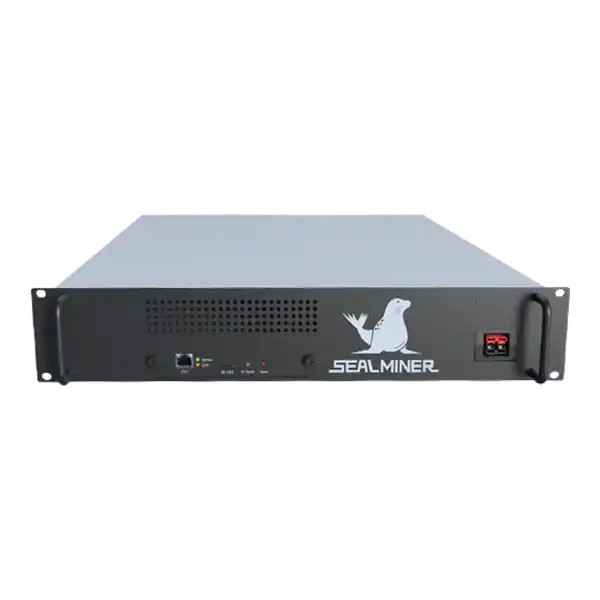

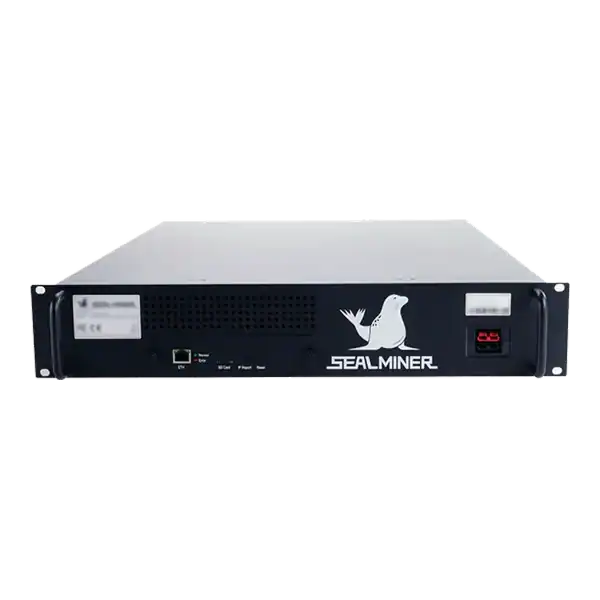

Terahash describes Kläger Group’s Hartha energy park with a 1.6 MWp solar array, a 350 kWh battery and a mining container able to absorb up to 500 kW. The container is intended to buy surplus left by industrial production, with storage and grid export also available.
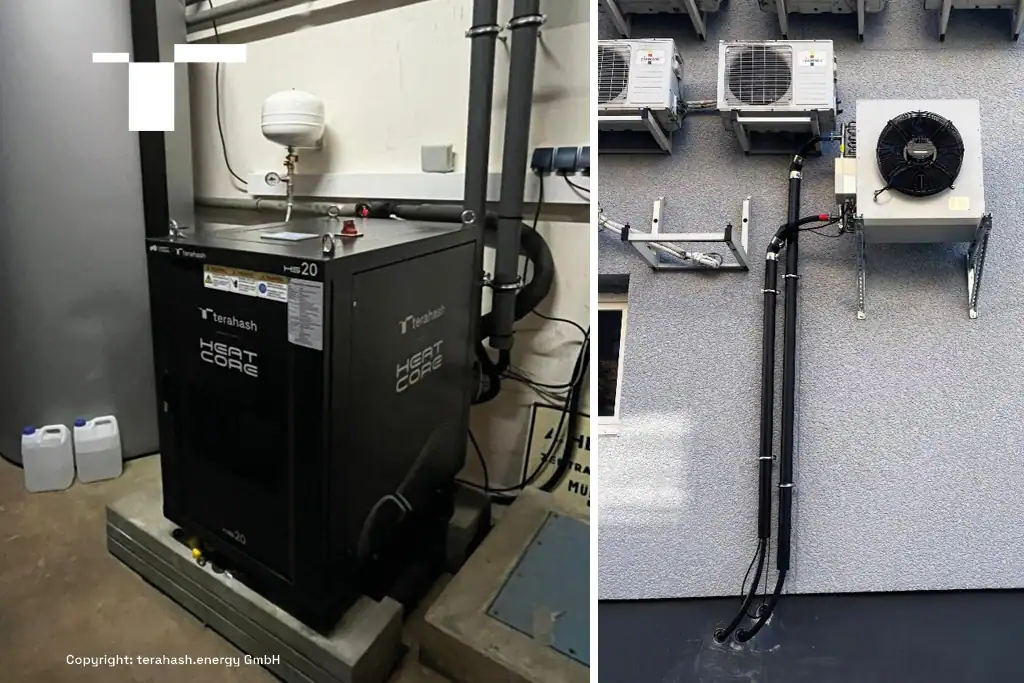
Terahash describes a commissioned system at Nebona’s spice factory: a Heatcore HS20 with two Whatsminer M63 units uses surplus rooftop solar power and supplies hot water to a buffer tank. The existing heating system remains available.

SunBit reports fitting a Bitcoin Boiler alongside the oil boiler in a 200 m² Kotka home. An outdoor unit rejects unwanted summer heat and allows additional use of solar surplus.
Join the ASIC Mining Discussion
Members can read and join the discussion
Log in to read comments from other miners. Create a free account if you would like to ask a question or share your experience.
Membership helps us protect the discussion from spam and keep answers useful.