

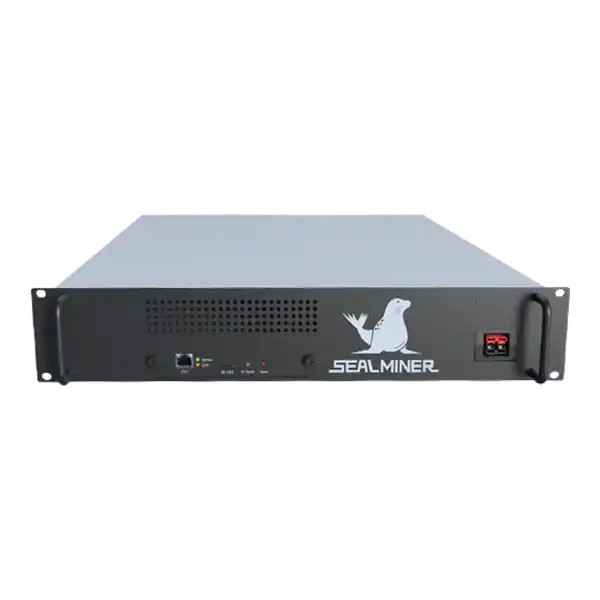
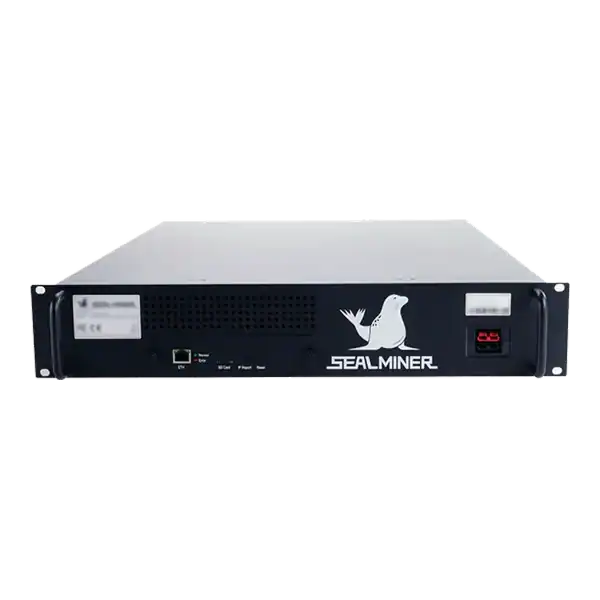
Sealminer A4 Ultra Hydro
Bitcoin & Bitcoin Cash ASIC Miner
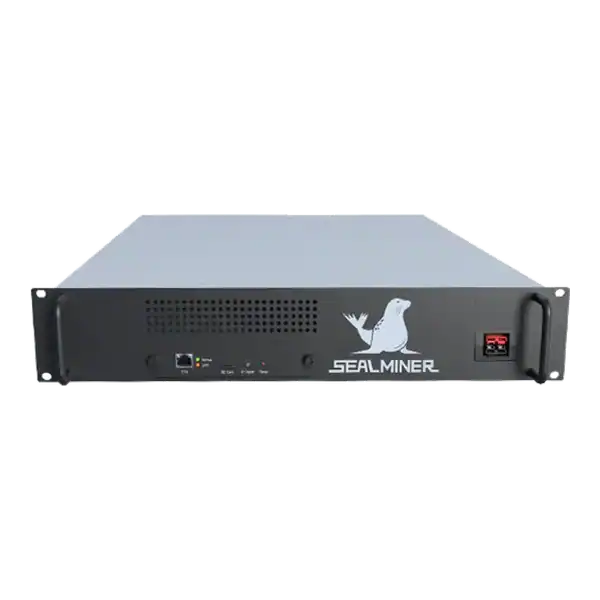

886TH
HASHRATE
9.45W/TH
EFFICIENCY
8373W
POWER
£820.23
EST. MONTHLY
NO PAYBACK
EST. ROI
Mining around a Bitcoin halving: A halving is triggered by block height, not a calendar clock. Read the practical UK guide before deciding.
Mining around a Bitcoin halving is not a switch at midnight or a guaranteed fifty per cent change to every pool payment. The protocol changes the permitted block subsidy at a specific block height. The block that reaches that height uses the new subsidy.
At the same time, transaction fees, pool accounting, luck and payout timing remain separate. This guide concentrates on that narrow transition so an operator can read revenue correctly without duplicating a broader halving strategy or fleet-planning guide.
Mining around a Bitcoin halving is easiest to interpret when the operator follows block height, accepted work and pool accounting separately.
A miner wants to understand mining around a Bitcoin halving. Compare a representative period before and after the boundary, note fee income and pool-method changes, then extend the observation window.
Bitcoin Core derives the maximum block subsidy from block height. The subsidy halves after each interval of 210,000 blocks, and nodes independently reject a block that creates more value than the consensus rules permit. No exchange, pool or miner chooses the boundary.
Public countdowns estimate the date from recent block intervals. They are useful for planning staff cover and monitoring. But the displayed time can move because blocks do not arrive at perfectly even ten-minute intervals. The dependable trigger is the actual height reached by the accepted chain.
The last valid block before the boundary can claim the old subsidy. The next height uses the reduced subsidy. Fees paid by transactions in each block are extra to the subsidy. So the total value of adjacent blocks need not have a simple two-to-one relationship.
An operator does not need to restart an ASIC at the boundary. A correctly configured pool or node supplies valid work for the current chain tip. The useful checks are accepted shares, pool status and payout accounting, not a ceremonial reboot.

A pool measures contributed work through shares and applies its published reward method. PPS, FPPS and PPLNS arrangements distribute block, fee and luck risk differently. Account balances may also include work submitted before the boundary, rewards awaiting confirmation or an estimated transaction-fee component.
A PPLNS window can straddle the boundary. An FPPS estimate can be reconciled under the pool’s current rules. A pool with a minimum payout can leave the account unchanged until the threshold is reached. These effects do not alter Bitcoin consensus. They alter when and how the service records the participant’s entitlement.
Save the current fee schedule, reward-method description and payout rules before the event. If a figure looks wrong, compare the worker’s accepted shares, the pool period, the credited reward and the stated fee rather than comparing only two dashboard totals.
| Item | Changed by the protocol boundary? | What to verify |
|---|---|---|
| Block subsidy | Yes, at the specified height | Accepted block height and consensus subsidy |
| Transaction fees | No fixed halving | Fees included in each block and pool method |
| Network difficulty | No immediate halving rule | Current adjustment period and published target |
| Pool fee | Only if the pool changes it | Dated pool terms |
| Account payout | Not necessarily | Threshold, confirmations and schedule |
| ASIC hashrate | No automatic change | Local and pool accepted measurements |
Proof-of-work mining is probabilistic. A pool can find more or fewer blocks than its expected share over a short period. The Bitcoin developer guide describes a share as proof that a miner performed work at an easier pool target. Most shares are not valid Bitcoin blocks.
For PPLNS or solo mining, short-term luck can dominate the first comparison. Even with a pay-per-share method, the service price and fee treatment deserve checking. Do not infer a permanent revenue ratio from the first day.
Use a matched measure such as bitcoin credited per petahash-day of accepted work. Compare a representative period before and after the boundary, note fee income and pool-method changes, then extend the observation window. This isolates the subsidy effect more effectively than looking at sterling revenue. This also moves with exchange price.
If the fleet changed power mode, suffered downtime or moved pools at the same time, record those events. Otherwise a maintenance or configuration change can be mistaken for a protocol effect.
Suppose a worker records 200TH/s locally but averages 194TH/s accepted by the pool. Over seven days before the boundary it receives 0.00140BTC, and over seven matched days afterwards it receives 0.00076BTC. The raw change is about 45.7 per cent, not exactly 50 per cent.
That result is not proof of an error. The periods may contain different transaction-fee income, pool luck, difficulty, accepted uptime or reward estimates. First divide each receipt by accepted petahash-days. Next reconcile fees and the reward method. Only then compare the result with the expected effect of the subsidy change.
Keep the analysis in bitcoin before converting to pounds. A price movement can make sterling receipts rise while the quantity of bitcoin earned falls, or the reverse. Operating cost should then be assessed separately in the currency in which it is paid.
A worker that stops receiving jobs, accumulates invalid shares or shows a payout-account change needs prompt investigation. Use the pool status page, miner logs and a trusted backup endpoint. Protect account access and payout settings while diagnosing the fault.
A pre-agreed profitability threshold can also justify curtailment once sufficiently reliable revenue data is available. Follow the site’s safe shutdown and restart procedure.
A short gap between blocks, one unusual fee block or a pending pool balance is not enough to prove a configuration problem. Allow for the stated accounting period and compare accepted work.
Avoid speculative firmware changes during the transition. They add a second variable and can introduce stability, warranty or security risk.
Mining around a Bitcoin halving is easiest to interpret when the operator follows block height, accepted work and pool accounting separately.
Bitcoin Core derives the maximum block subsidy from block height. The subsidy halves after each interval of 210,000 blocks, and nodes independently reject a block that creates more value than the consensus rules permit.
A pool measures contributed work through shares and applies its published reward method.
Proof-of-work mining is probabilistic. A pool can find more or fewer blocks than its expected share over a short period.
Mining around a Bitcoin halving is easiest to interpret when the operator follows block height, accepted work and pool accounting separately. The subsidy boundary is precise. Revenue observed by a business is not. Keep a clean baseline, allow for the stated reward window and act only when persistent evidence shows a fault or the measured margin crosses a pre-agreed threshold.
Use The Mining Shop UK tools to compare the post-halving accepted revenue with your measured energy cost before changing a stable fleet.
A halving is triggered by block height, not a calendar clock. The first block at the new subsidy height must obey the reduced subsidy rule. Pool balances can change gradually because reward methods, confirmation periods, fee estimates, luck and payout schedules are not identical.

Build a five-year ASIC replacement calendar from efficiency gap, tariff, failure rate, parts, firmware, resale, network scenarios and capital gates.
Build ASIC profit forecast ranges using base, downside and severe cases for accepted hashrate, energy, uptime, difficulty, reward, fees, price and repairs.
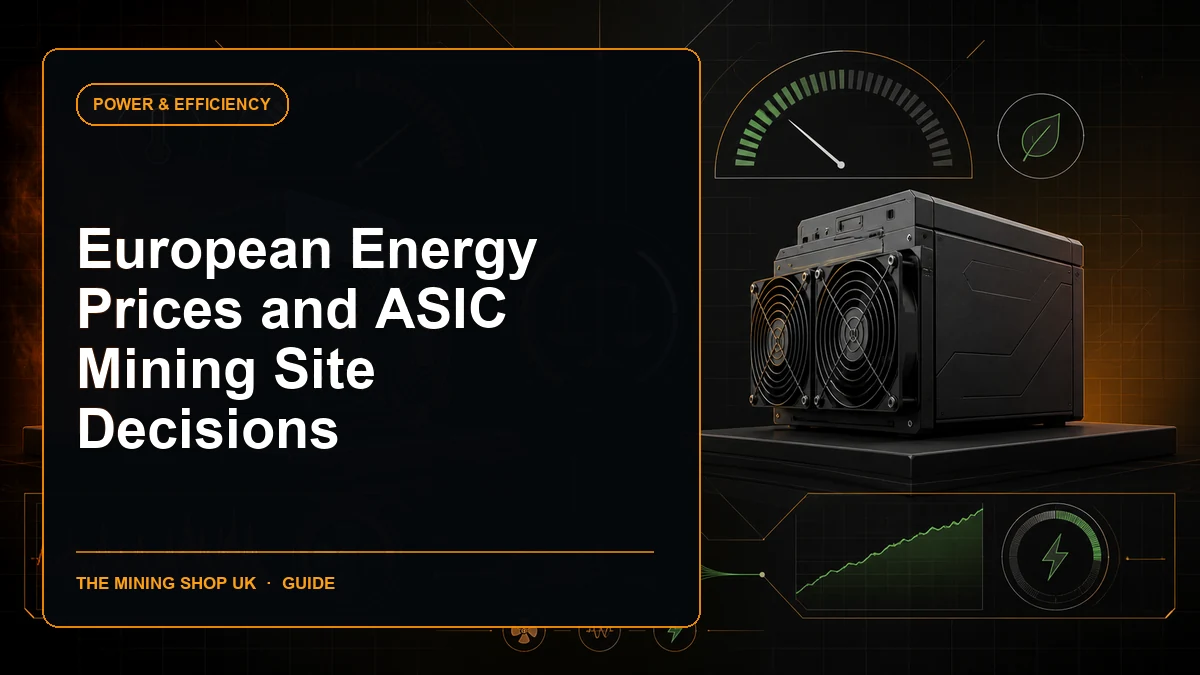
Compare European ASIC mining energy costs using the correct tariff band, taxes, grid connection, curtailment, cooling, contracts and location risks.
Join the ASIC Mining Discussion
Members can read and join the discussion
Log in to read comments from other miners. Create a free account if you would like to ask a question or share your experience.
Membership helps us protect the discussion from spam and keep answers useful.