

Antminer Z15 Pro
Zcash & Horizen ASIC Miner
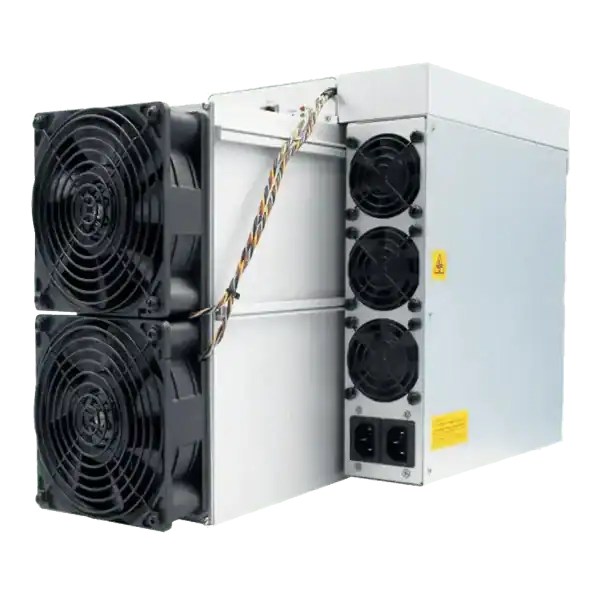

840KSOL
HASHRATE
3.3W/KSOL
EFFICIENCY
2772W
POWER
£1432.57
EST. MONTHLY
8.7
Months
EST. ROI
Is ASIC mining profitable? Build the answer from accepted hashrate, wall power, electricity tariff, pool fees, difficulty, downtime and UK records.
Is ASIC mining profitable in 2026? It can be, but only when the value of actual mining receipts exceeds electricity and every other cost over the period being measured. A machine model or daily calculator cannot answer that question for every UK operator.
The reliable method starts with pool accepted work and wall energy from the real miner. It then applies the tariff, fees, downtime, repairs and tax record. Future difficulty and coin price remain uncertain, so the result needs several scenarios rather than one promised payback date.
Estimated reading time: 7 minutes
Mining profit is what remains after the miner's receipts have paid every bill connected with producing them. The machine may be hashing correctly and still lose money. Profit depends on the exact hardware, electricity contract, network, pool and time period.
A miner receives £240 worth of coin during a month. Electricity is £180, while pool fees, cooling, downtime and repairs add £45. The operating margin is £15 before hardware cost and tax. A small fall in revenue would turn that month into a loss.
| Gross Revenue: | The value of mining receipts before costs. |
|---|---|
| Operating Margin: | Revenue left after operating costs for the same period. |
| Difficulty: | A network value affecting expected work required for a block. |
| Efficiency: | Energy used for a stated amount of mining work. |
| Payback: | A scenario for recovering capital, not a guaranteed date. |
Decide whether the question concerns cash operating margin, accounting profit or recovery of the original hardware cost. Those are different answers. A miner can cover today's electricity while remaining far from repaying its purchase price.
Use one reporting period and one currency. Keep the original coin quantity as well as the sterling value at the relevant time. Later price movement is not the same as mining performance during the month.
When asking is ASIC mining profitable, begin with pool accepted work because it connects the machine to revenue. Local hashrate can include work that was rejected, stale or never delivered. Export pool statistics and miner logs for the same start and finish times.
Allow for commissioning, outages and maintenance. Do not multiply one perfect hour across a year. A conservative uptime assumption should be supported by site records or a documented downside case.
Use the whole miner reading, including fans and power supply losses. Add pumps, extraction and other dedicated site loads when they are part of the operation. Apply the tariff actually payable in each time band.
A three kilowatt miner running continuously uses roughly 72 kilowatt hours each day before extra cooling. Multiply energy, not just nameplate power, by the complete unit cost. Standing or demand charges may also matter.

Expected revenue depends on hashrate, network difficulty, subsidy, transaction fees, pool method and coin value. Each input has a timestamp. A calculation is stale when material inputs have moved.
Use confirmed pool credit for past performance and scenarios for the future. Do not call an estimate guaranteed income. Pool luck and payout methods can make short periods differ even when underlying expected value is similar.
Add pool fees, withdrawal charges, hosting, internet, cooling, maintenance, cleaning, spares, insurance and labour where relevant. Finance cost and foreign exchange can also alter the cash result.
Allocate shared costs with a stated method. A room used for several miners needs a fair share of ventilation and distribution cost. Hiding a cost because another activity pays the bill does not improve the economics.
Capital cost can be tested through payback, depreciation or a return threshold. Whichever method is chosen, state it clearly. A simple payback calculation ignores the time value of money and uncertain resale value.
Used equipment can lose value quickly after a more efficient generation arrives or a network reward changes. Test a low resale case and include removal or shipping. Do not use an online asking price as guaranteed recovery.
Is ASIC mining profitable after a lower coin value, higher difficulty, lower fees, more downtime and a repair? Change one input first, then combine plausible adverse changes. This shows which assumption controls the result.
Find the break even electricity price and the minimum accepted hashrate. Clear stop conditions prevent an operator from paying losses indefinitely because the original purchase cannot be reversed.
HMRC says the treatment depends on activity, organisation, risk and commerciality. Mining may amount to a trade or create miscellaneous income, depending on the facts. Later disposal of retained assets can have separate consequences.
Keep dates, coin quantities, sterling values, wallet addresses, pool statements, invoices and cost evidence. Obtain professional advice for the actual activity. A profitability calculator is not a tax return.
Is ASIC mining profitable for this site? Answer with a dated table showing receipts, accepted work, wall energy, full operating cost and the capital method. Include who checked the data and where it came from.
Proceed only if the downside fits the operator's budget and the installation is safe. Stop when the result depends on free electricity that is not contractually available, a guaranteed price rise or permanent perfect uptime.
Is ASIC mining profitable under today's network difficulty, fees, coin value and pool terms? Recalculate at the decision date and preserve the earlier inputs as historical records.
HMRC guidance can change and the facts determine treatment. This article provides a calculation framework, not individual tax or financial advice.
| Profit Line | Evidence |
|---|---|
| Mining receipts | Pool ledger and wallet transaction |
| Useful work | Accepted hashrate and rejects |
| Electricity | Wall meter and dated tariff |
| Other costs | Invoices and allocation method |
| Capital | Purchase, finance and downside resale case |
A table is a starting point, not a promise. Verify current official sources and apply each detail to the decision you are actually making.
It depends on the machine, tariff, accepted work, network and full costs. Calculate the real site rather than using a national average.
No. It is a scenario based on inputs that can change, including difficulty, fees, coin value and uptime.
Yes when pumps, fans or extraction are required by the mining operation. Measure or allocate them with a stated method.
Update it when tariffs, difficulty, reward, pool terms, firmware or equipment performance change, and review it on a regular schedule.
Yes. Keep transaction, wallet, sterling valuation and expense evidence, then obtain advice for the facts of the activity.
Is ASIC mining profitable in 2026? The answer belongs to one machine, site and period. Use accepted work, wall energy, complete costs and dated receipts. Then test adverse conditions and keep records. Technical success is not the same as profit, and a forecast is never a promise.
Build a five-year ASIC replacement calendar from efficiency gap, tariff, failure rate, parts, firmware, resale, network scenarios and capital gates.
Build ASIC profit forecast ranges using base, downside and severe cases for accepted hashrate, energy, uptime, difficulty, reward, fees, price and repairs.
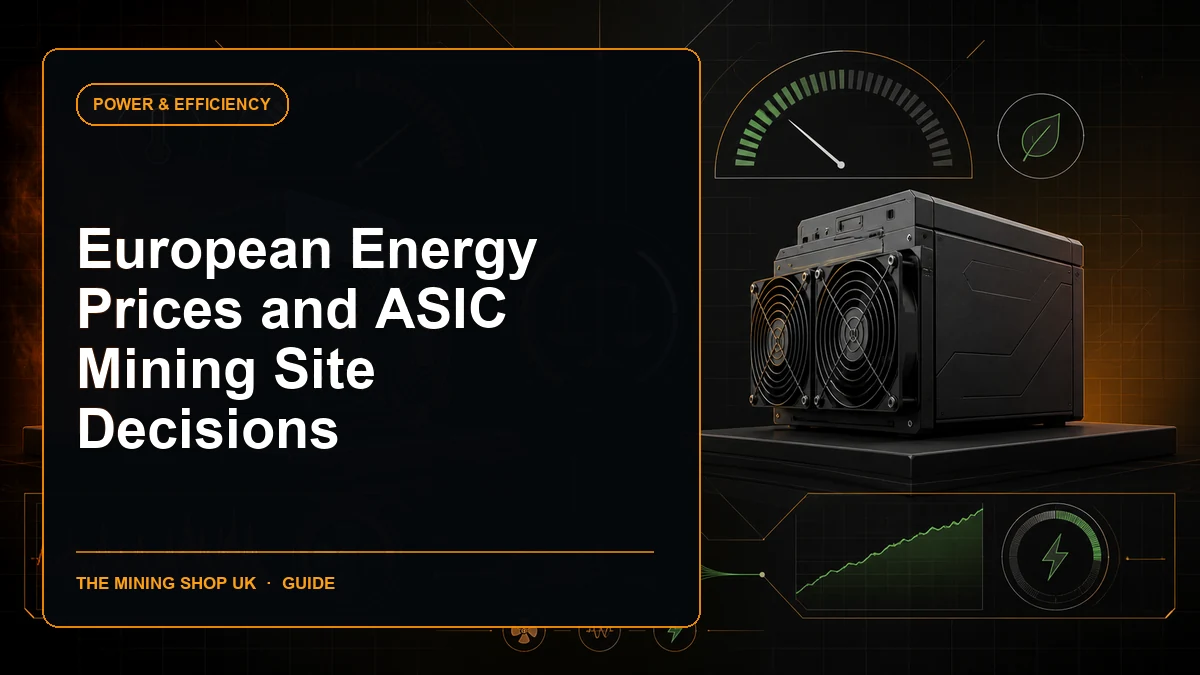
Compare European ASIC mining energy costs using the correct tariff band, taxes, grid connection, curtailment, cooling, contracts and location risks.
Join the ASIC Mining Discussion
Members can read and join the discussion
Log in to read comments from other miners. Create a free account if you would like to ask a question or share your experience.
Membership helps us protect the discussion from spam and keep answers useful.