

Sealminer A4 Ultra Hydro
Bitcoin & Bitcoin Cash ASIC Miner
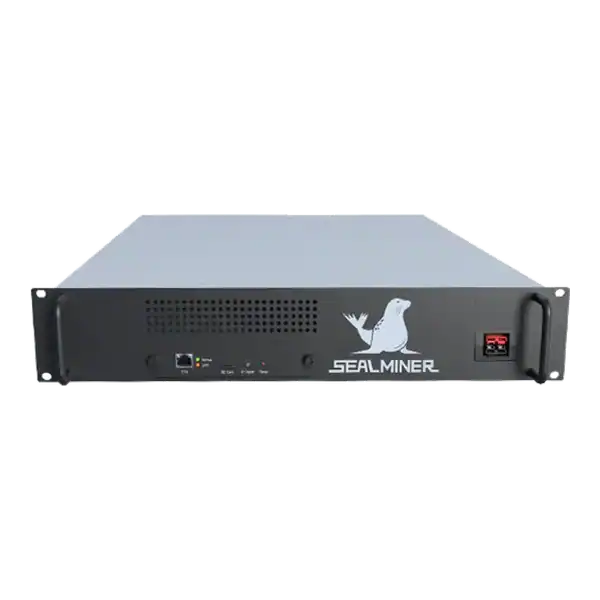

886TH
HASHRATE
9.45W/TH
EFFICIENCY
8373W
POWER
£844.64
EST. MONTHLY
NO PAYBACK
EST. ROI
Firmware developer fee traffic audit: audit ASIC firmware developer fee traffic by separating configured pools, developer endpoints, accepted work, wall power.
A firmware developer fee traffic audit measures how much productive time or hashrate is diverted from an ASIC owner's configured pool to the firmware provider. The advertised percentage is only the first input.
The operator needs the licence terms, approved firmware source, local and network logs, configured and developer endpoints, wall power, accepted work and owner receipts over a representative period. This article is deliberately about technical measurement and detection. A separate commercial comparison should examine licensing structures, contract terms and total cost before purchase.
Firmware developer fee traffic audit: Some third-party firmware funds development by periodically directing work to a developer-controlled endpoint. At the same time, other products use subscriptions, licences or different commercial arrangements.
A mining technician is checking firmware developer fee traffic audit. Establish the exact mechanism and version before attempting to measure it. Write the intended outcome before looking at a headline hashrate.
Some third-party firmware funds development by periodically directing work to a developer-controlled endpoint. At the same time, other products use subscriptions, licences or different commercial arrangements. Establish the exact mechanism and version before attempting to measure it.
The audit question is not simply whether another pool hostname appears. It is how much productive capacity, time and energy the owner supplies without receiving the corresponding pool credit, and whether this matches the disclosed arrangement.
Keep technical fee measurement separate from tuning benefit. Firmware may improve wall-power efficiency or stability enough to offset a fee, or it may not. Both sides must be measured in the same operating mode and period.
Write the intended outcome before looking at a headline hashrate. A learning device, a useful room heater, a quiet home miner and a commercially productive machine are different purchases. The correct comparison changes when the available circuit, sound limit, heat demand, pool route or expected ownership period changes.
Use a dated decision sheet and keep manufacturer claims separate from measured results. Record the exact model, variant, power supply, firmware and operating mode. Similar product names do not make accessories, voltage, firmware or thermal limits interchangeable.

Retain the official firmware source, version, licence page, fee disclosure and installation record. Unknown modified images can add hidden traffic, wallet substitution or remote access that has nothing to do with a legitimate disclosed fee.
Export miner logs and collect DNS or firewall metadata from an authorised monitoring point without capturing credentials or unrelated personal traffic. Identify destination names, connection periods and the miner serial or address that generated them.
get pool-side accepted work and payout data for the owner’s configured endpoints. Local hashrate cannot show who received the economic credit during each interval.
Prefer the manufacturer specification, manual and firmware portal for identity and limits. But treat them as the starting point rather than a promise of site performance. Keep a copy of the pages and files used because support pages, downloads and product revisions can change.
Ask the seller for a serial photograph, condition statement, included accessories and a recent operating record for the actual unit. A generic product image cannot prove board revision, power supply condition, repair history or whether the miner reaches stable accepted work.
Create a stock-firmware baseline on the same unit if safe and supported, then test the third-party version at a documented power profile and similar inlet condition. Use a controlled wallet, pool and time reference.
Place the miner on a segmented network where outbound destinations and failures can be observed. Do not expose the management interface to the public internet or grant broader access merely to make fee measurement easier.
Synchronise timestamps across miner, router, monitoring and pool records. A time-zone mismatch can make a legitimate failover or reboot appear to be undisclosed diversion.
A competent person should confirm the electrical route for the real continuous load. Check voltage, protective device, earthing, cable, connector, socket, isolation and ventilation together. Do not assume that a plug physically fitting a socket proves that the circuit is suitable for sustained operation.
Place the miner on a trusted network segment with no unnecessary inbound exposure. Change supplied credentials, use a documented wallet and pool account, set approved backup endpoints and confirm that every endpoint belongs to the intended operator before power is applied.
Measure total elapsed time, productive owner-pool time, developer-endpoint time, reconnect loss, rejected work and wall energy. Repeat across enough cycles to avoid treating one partial interval as the permanent percentage.
Calculate the owner’s accepted work per kWh and net receipts after the fee, then compare with the stock baseline. A firmware version that raises local hashrate but diverts more work or consumes disproportionately more power may reduce net efficiency.
Reconcile unexplained gaps. Pool accounting windows, payout method and short-term luck can alter receipts. So use accepted share evidence and longer observation rather than equating every revenue difference with a fee.
Measure power at the wall and compare local hashrate with accepted pool work over a representative period. Local display figures can look healthy while stale shares, invalid work, reconnects or a wrong payout address reduce useful output.
Calculate revenue and cost over a range, not one favourable day. Include electricity, pool fees, auxiliary cooling, maintenance, downtime, conversion costs and hardware value. For a heat-use case, credit only heat that replaces a cost the owner would otherwise incur.
| Risk | Evidence to get | Control |
|---|---|---|
| Undisclosed endpoint | Authorised network and DNS log | Quarantine and verify firmware provenance |
| Misread pool failover | Configuration and aligned timestamps | Classify each destination and reason |
| Local rate overstates value | Pool accepted work and receipts | Use net accepted work per kWh |
| Blind endpoint blocking | Licence and recovery plan | Do not defeat expected behaviour unsafely |
| Credential or wallet exposure | Scoped monitoring design | Collect only necessary metadata |
Rank each risk by consequence and by the practical ability to detect it before purchase. A low-priced machine with uncertain firmware, exhausted cooling or a weak algorithm market can require more working capital and attention than a newer unit with a higher invoice price.
Set written stop conditions. Examples include an unsafe supply, unavailable official firmware, rejected work above the approved limit, repeated thermal shutdown, no lawful payout route or an energy break-even price below the contracted rate. A stop condition prevents sunk cost from becoming the reason to continue.
Begin with one miner and a fresh monitoring window. Confirm every configured owner pool, then observe at least one complete disclosed fee cycle and subsequent return to the owner endpoint.
If an unknown destination appears, stop expansion and preserve logs. Verify the firmware signature or source, licence, DNS resolution and wallet configuration before deciding whether it is a developer fee, malware, failover or an operator error.
Begin with one unit or the smallest sensible batch. Photograph labels and connections, export the original configuration, note ambient conditions and record the start time. Watch the kernel or system log, board detection, fan behaviour, temperatures, local hashrate, pool connection and accepted work.
Do not declare acceptance from a short dashboard snapshot. Run long enough to expose heat soak, intermittent network faults and pool variance. Retain the test record with the invoice, serial number, firmware file and any seller correspondence so a later repair or warranty question has a clear baseline.
The checklist is deliberately evidence based. Marketing language such as home friendly, efficient or profitable has no fixed meaning without a measured operating mode and a real site boundary. The record should make it possible for another competent person to reproduce the decision.
Firmware developer fee traffic audit: Some third-party firmware funds development by periodically directing work to a developer-controlled endpoint.
Some third-party firmware funds development by periodically directing work to a developer-controlled endpoint.
Retain the official firmware source, version, licence page, fee disclosure and installation record.
Create a stock-firmware baseline on the same unit if safe and supported, then test the third-party version at a documented power profile and similar inlet condition.
A developer-fee audit replaces speculation with aligned miner, network, pool and energy evidence. Measure the disclosed mechanism over several complete cycles, distinguish it from failover and faults, and compare net accepted work per kWh with a stock baseline. If the traffic or economic result does not match the disclosure, stop the rollout and resolve provenance before more machines are exposed.
Use The Mining Shop UK tools and support pages to compare the exact hardware against your real electricity, installation, pool and operating constraints before ordering or commissioning it.
Record the advertised fee and licence terms. But measure actual endpoint time, accepted work and owner receipts over a representative period. Separate genuine developer-fee traffic from pool failover, stale shares, network faults and ordinary reward variance.
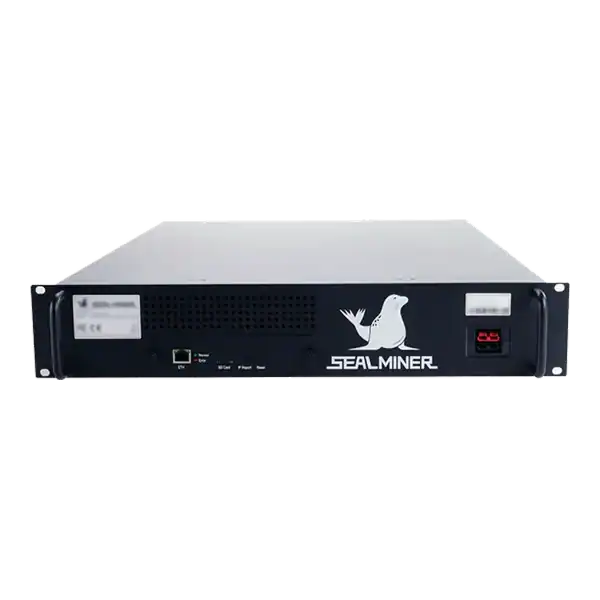
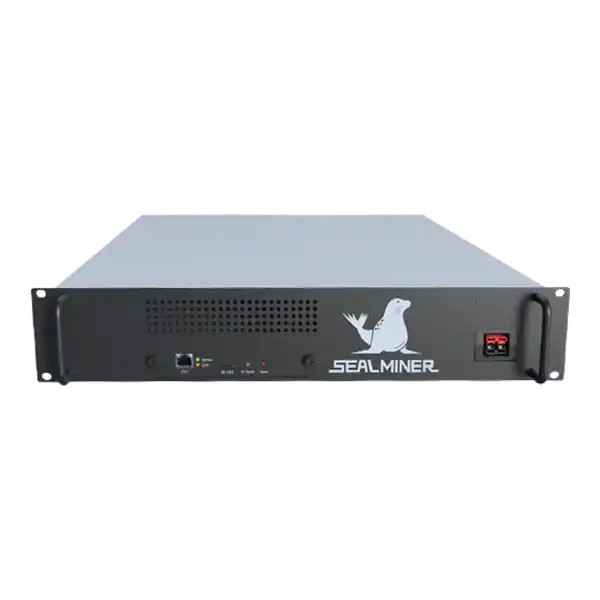

Stock firmware provenance restoration: restore stock firmware provenance before ASIC resale using exact hardware identity, official files, configuration.
Plan a WhatsMiner batch firmware rollout using model cohorts, WhatsMinerTool, pilot gates, configuration evidence, monitoring and a tested rollback route.
ASICBoost compatibility check: Verify explicit model, firmware and pool support for overt ASICBoost before enabling it. Verify the current evidence.
Join the ASIC Mining Discussion
Members can read and join the discussion
Log in to read comments from other miners. Create a free account if you would like to ask a question or share your experience.
Membership helps us protect the discussion from spam and keep answers useful.