

Sealminer A4 Ultra Hydro
Bitcoin & Bitcoin Cash ASIC Miner
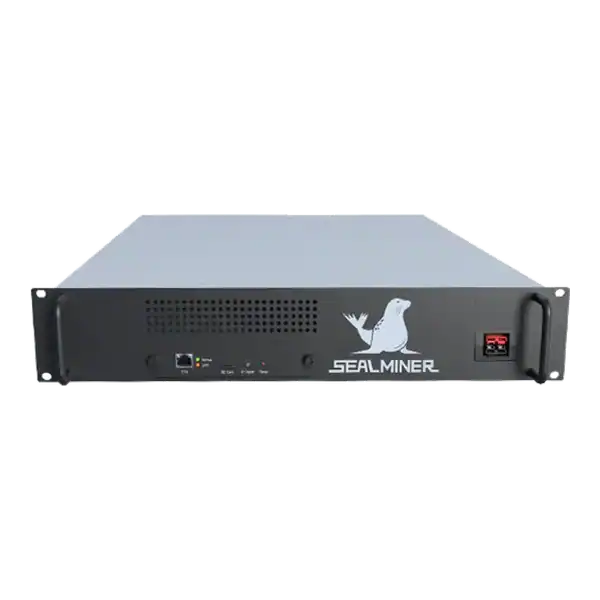

886TH
HASHRATE
9.45W/TH
EFFICIENCY
8373W
POWER
£903.43
EST. MONTHLY
NO PAYBACK
EST. ROI
Learn when to buy a Bitcoin ASIC miner by comparing efficiency, price, electricity cost, network conditions, warranty and deployment readiness.
This guide explains when to buy a Bitcoin ASIC miner for UK ASIC buyers and operators. It covers hardware pricing, hashprice, difficulty and operating margin, identifies the checks that change the decision and separates useful operating evidence from headline claims. Verify current specifications, prices and service terms before acting, then apply your own electricity cost, site limits and risk tolerance.
The right time to buy a Bitcoin ASIC miner is not the day a price chart looks low.
A miner is checking buy a Bitcoin ASIC miner. Set a capital limit, a maximum continuous power load, an acceptable efficiency range, a target deployment date and the cash loss you could tolerate if revenue weakens.
The right time to buy a Bitcoin ASIC miner is not the day a price chart looks low. It is the point at which a specific machine, delivered to a specific site, meets your operating objective under a realistic downside case. For one buyer that may mean the quickest sensible payback.
For another it may mean accumulating bitcoin with owned infrastructure, replacing inefficient machines or using energy that would otherwise be curtailed.
Write the objective before comparing hardware. Set a capital limit, a maximum continuous power load, an acceptable efficiency range, a target deployment date and the cash loss you could tolerate if revenue weakens. This prevents a headline discount from moving the decision away from the site and tariff.
Separate urgency from readiness. A compelling hardware offer is not useful if the circuit, cooling, hosting contract, company approval or wallet process is not ready. The cost of a machine waiting in storage can outweigh a small purchase discount, especially when network conditions move during the delay.

ASIC prices tend to respond to expected mining economics, generation efficiency, supply, lead time and market sentiment. A cheaper machine can still be expensive to own when its J/TH is high. A newer machine can be poor value when the launch premium is larger than the electricity it is likely to save.
Put the candidates on the same basis. Record purchase price, delivery and setup. Nominal and measured hashrate. Wall power. J/TH. Warranty. And the realistic deployment date. Calculate daily electricity with your all-in tariff. Then compare expected gross revenue and net operating margin using the same market snapshot.
| Question | Why it matters |
|---|---|
| Is the model in stock or a forward order? | A delayed start changes the economics. |
| What is the delivered, installed cost? | Freight, VAT treatment and electrical work can change value. |
| What is the measured J/TH? | Energy margin matters throughout the ownership period. |
| Who handles warranty and freight? | A low price can transfer failure cost to the buyer. |
| Can the site energise it safely now? | Idle hardware earns nothing. |
| What is the downside daily cash result? | The base case alone does not show survival risk. |
Mining revenue per unit of hashrate changes with bitcoin price, network difficulty, block subsidy, transaction fees and pool method. Hardware can therefore become less profitable even though it produces exactly the same TH/s. A rising bitcoin price can improve sterling revenue. At the same time, extra network hashrate can reduce the bitcoin earned by your fixed share of the network.
Do not try to predict one perfect purchase date from those variables. Use scenarios. Calculate the candidate at today’s revenue estimate, then reduce gross revenue by 20% and 40%. Add a higher difficulty or lower sterling price indirectly through those revenue cases unless you have a model that avoids double counting.
Consider lead time explicitly. If a machine is due in twelve weeks, the current calculator output is not its first-day revenue. Treat any forward estimate as uncertain. Contract terms, cancellation rights and the supplier’s evidence of allocation matter more as lead time lengthens.
Buying now can make sense when the site is ready, the delivered price is supported by a downside model and the machine materially improves efficiency or capacity. Waiting can make sense when a new generation is announced but specifications, availability and field evidence are incomplete, or when the site work is not ready.
Staging is often the strongest answer. Buy or commission one representative unit, measure wall power and accepted hashrate, then release the remainder only if the machine and site perform as expected. A staged order reduces timing risk and exposes problems with firmware, power, cooling, pool configuration and repair logistics before they affect an entire fleet.
Negotiation can also improve timing. Ask for a price validity period, named model and variant, documented specification, expected shipment window and a clear remedy for material delay or mismatch. Do not send an irreversible payment merely to create urgency.
Efficiency is valuable only while the miner is available. Check warranty start, duration, exclusions, claim owner and shipping responsibility. Confirm whether parts and competent repair are realistically available in the UK or the machine must travel internationally. A newer model may have a stronger specification but a less mature repair ecosystem.
Generation risk works both ways. Waiting for the next model may improve J/TH. But delay sacrifices any margin the current machine could have earned. Buying the current model locks in its efficiency while future units may lower the market value of older hardware. Model both costs rather than assuming that newer is always better or that waiting is free.
For refurbished hardware, demand logs, serials, a sustained pool test and written cover. Lower acquisition cost can improve payback. But only if the machine remains stable and its electricity cost still fits the tariff.
Proceed when power and cooling are ready, the exact delivered price is known, the downside operating margin is acceptable and the purchase does not rely on borrowing or cash needed for essential business costs. A genuine efficiency upgrade with a tested deployment route is a stronger reason than fear of missing a temporary price.
A small staged purchase is appropriate when you need field evidence before a larger decision.
Wait when the tariff is uncertain, the electrical installation is incomplete, the seller cannot evidence the model or the order depends on optimistic revenue. Also wait when a newly announced product has no current manual, firm delivery position or clear warranty route.
If the severe scenario would force a sale or default, the proposed order is too large regardless of market timing.
A decision log is useful. Record the model, quotation, tariff, revenue snapshot, downside cases and the reason for buying or waiting. You can then revisit the decision with evidence rather than rewriting history after the market moves.
The right time to buy a Bitcoin ASIC miner is not the day a price chart looks low. It is the point at which a specific machine, delivered to a specific site, meets your operating objective under a realistic downside case.
ASIC prices tend to respond to expected mining economics, generation efficiency, supply, lead time and market sentiment. A cheaper machine can still be expensive to own when its J/TH is high.
Buying now can make sense when the site is ready, the delivered price is supported by a downside model and the machine materially improves efficiency or capacity. Waiting can make sense when a new generation is announced but specifications, availability and field evidence are incomplete, or when the site work is not ready.
Proceed when power and cooling are ready, the exact delivered price is known, the downside operating margin is acceptable and the purchase does not rely on borrowing or cash needed for essential business costs. A genuine efficiency upgrade with a tested deployment route is a stronger reason than fear of missing a temporary price.
A decision log is useful. Record the model, quotation, tariff, revenue snapshot, downside cases and the reason for buying or waiting.
The right time to buy a Bitcoin ASIC miner is when the machine and the site work together under a downside case you can afford. Compare delivered cost, J/TH, tariff, deployment date, warranty and repairability. Treat network revenue as variable and test a low resale value.
If the site is ready and the order remains manageable after weaker revenue, buying can be rational. If the decision needs perfect uptime or a rushed preorder, waiting is the better trade.
Shortlist hardware with The Mining Shop UK profitability and efficiency tools, then ask us to check the proposed power, cooling and hosting route before you commit the order.
Assess when to buy a Bitcoin against the actual site, tariff and operating objective. Stress-test weaker revenue, higher difficulty, downtime and repair cost before committing capital.
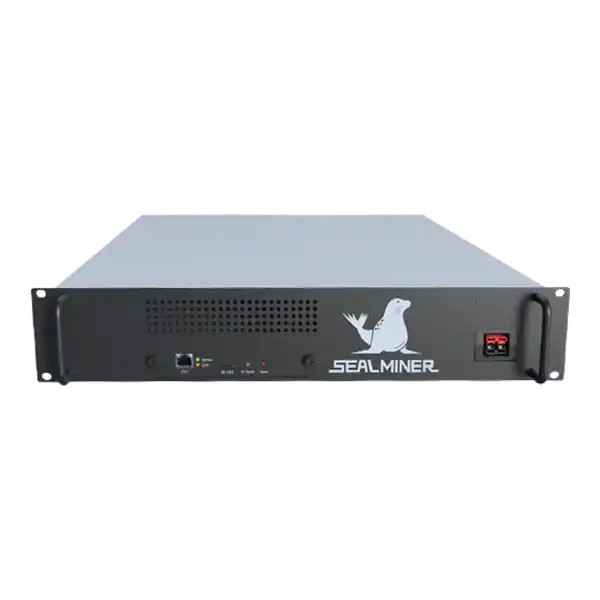

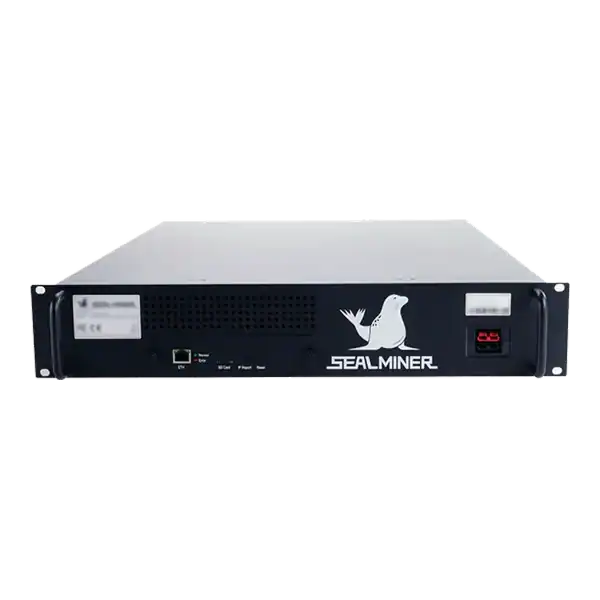
Build a five-year ASIC replacement calendar from efficiency gap, tariff, failure rate, parts, firmware, resale, network scenarios and capital gates.
Build ASIC profit forecast ranges using base, downside and severe cases for accepted hashrate, energy, uptime, difficulty, reward, fees, price and repairs.
Compare European ASIC mining energy costs using the correct tariff band, taxes, grid connection, curtailment, cooling, contracts and location risks.
Join the ASIC Mining Discussion
Members can read and join the discussion
Log in to read comments from other miners. Create a free account if you would like to ask a question or share your experience.
Membership helps us protect the discussion from spam and keep answers useful.