

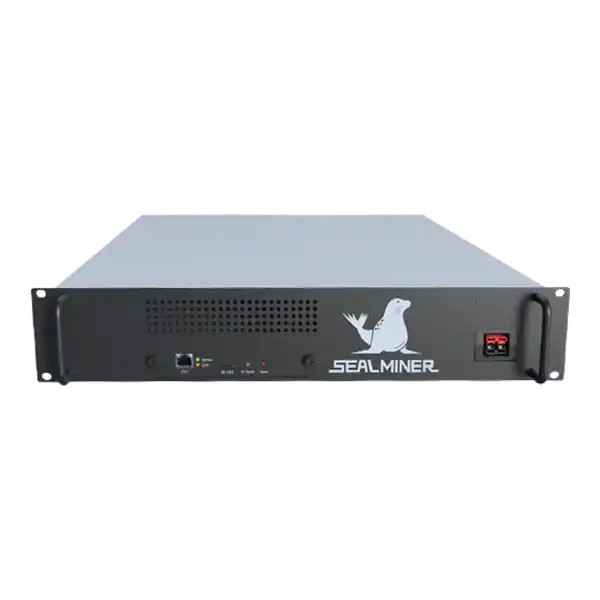
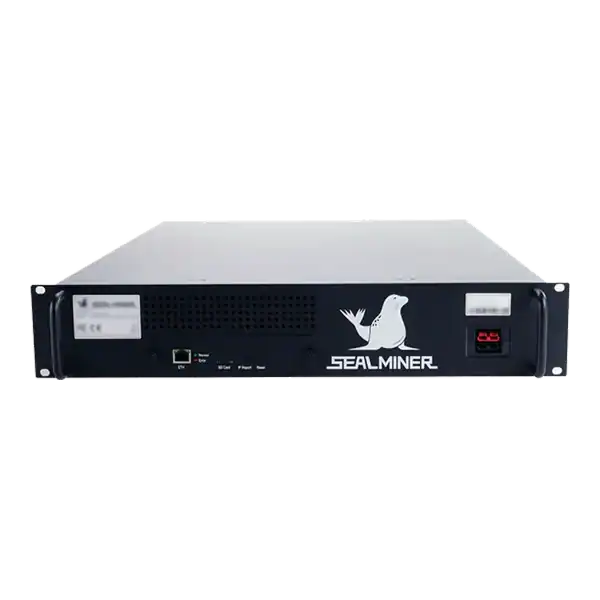
Sealminer A4 Ultra Hydro
Bitcoin & Bitcoin Cash ASIC Miner
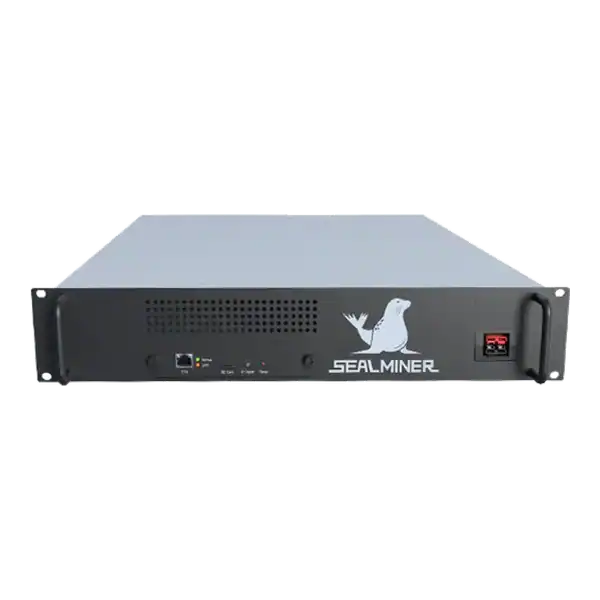

886TH
HASHRATE
9.45W/TH
EFFICIENCY
8373W
POWER
£925.82
EST. MONTHLY
NO PAYBACK
EST. ROI
Blockchain layers explained simply, from Bitcoin blocks and full-node validation to Lightning channels, settlement and the role mining plays at the base layer.
Blockchain layers explained clearly start with the base chain. A blockchain is an ordered record of valid blocks linked by cryptographic commitments. Bitcoin miners propose proof-of-work blocks, while full nodes independently check the transactions and rules.
Other protocols can move frequent activity away from the base layer and later settle through it. The word layer is informal and projects use it differently, so this guide names the exact trust, custody and settlement path instead of assuming every layer works like Bitcoin or Lightning.
Estimated reading time: 7 minutes
Think of the Bitcoin blockchain as a public court record. It is slower and expensive to change because many independent computers verify it. A payment channel is like two people updating a signed running balance privately, then using the public record when they open, close or settle a dispute.
Alice and a shop open a Lightning channel using a Bitcoin transaction. They exchange many signed balance updates without putting each coffee purchase in a block. When the channel closes, a Bitcoin transaction settles the final result under the channel rules.
| Base Layer: | The primary blockchain and its consensus rules. |
|---|---|
| Layer 2: | A separate protocol that relies on a base layer for selected security or settlement. |
| Full Node: | Software that verifies blocks and transactions against local rules. |
| Payment Channel: | A protocol for exchanging signed balance updates before settlement. |
| Bridge: | A mechanism moving representations or messages between systems, with its own trust risks. |
A blockchain is a sequence of blocks where each header commits to the previous accepted block. Transactions are checked under shared rules, and the chain's proof history helps nodes select among competing valid branches.
The database is not made truthful by the word blockchain. Security depends on the consensus rules, node validation, proof or validator system, software and keys. Different networks make different choices.
Bitcoin's base layer contains transactions, scripts, blocks and proof of work. Miners construct candidates and search for valid headers. Full nodes verify every accepted block and reject rule-breaking work.
Base-layer space is limited by consensus rules. That supports independent verification but creates fee and throughput trade-offs. Changing a block after confirmation requires replacing accumulated work and gaining network acceptance.
Mining orders base-layer transactions and adds proof of work. A miner does not approve a Lightning payment that never appears as its own on-chain transaction. It may later include a channel opening, close or justice transaction.
Mining also does not decide validity alone. Nodes enforce block and transaction rules. This keeps the roles of energy, ordering and validation separate.

A layer 2 protocol moves some state changes away from direct base-chain recording. It normally retains a route to settle or enforce selected outcomes through the base layer.
The security model must be stated precisely. Ask who holds keys, who can withhold data, how users exit, what happens during an outage and which base-chain transaction restores control.
Lightning channels use Bitcoin transactions and revocable signed commitments. Participants update balances without publishing each payment. The network can route payments through several channels.
Users need liquidity, online monitoring or watchtower support, backups and fee planning. Lightning is not simply faster Bitcoin blocks; it is a separate payment protocol anchored to Bitcoin transactions.
Other ecosystems use sidechains, rollups and bridges with varied validators, proofs, operators and custody. The same label can describe very different failure and exit assumptions.
Do not transfer a security claim from one design to another. Read the protocol documentation and identify the asset issuer, withdrawal rule, data availability and emergency control.
Some projects call networking or interoperability Layer 0 and application protocols Layer 3. These labels are descriptive marketing or architecture terms, not universal consensus categories.
A useful analysis replaces the number with a function. Name the base ledger, validation, message transport, application, custody and settlement. That makes comparisons reproducible.
Off-chain activity can reduce the number of base transactions for repeated payments, but opening, closing and rebalancing still use block space. Users must retain enough fee capacity to act when needed.
A low displayed second-layer fee does not include every funding, routing, liquidity or service cost. Test the complete payment and recovery route.
Ask what data is recorded on the base chain, which keys control funds, who can stop withdrawals, how disputes are resolved and how long an exit takes. Confirm current software and audit status.
Reject vague claims that a layer inherits all base-chain security. Inheritance depends on the exact proof and escape route. A hosted balance can remain a company liability even when it uses a blockchain underneath.
Miners should distinguish base-chain fee demand from off-chain transaction counts. Node operators should use maintained software, verify storage and bandwidth needs and understand any extra protocol they run.
Keep experimental services isolated from mining control and custody. Monitor base-chain fees, channel or bridge health and the ability to exit without relying on one provider.
Blockchain layers explained for a real payment must show where the balance lives, who holds the keys and which transaction can enforce the result.
Keeping blockchain layers explained in this way prevents a hosted database from being mistaken for native Bitcoin merely because it later sends one settlement transaction.
The strongest blockchain layers explained examples also document outage, dispute and exit behaviour rather than advertising throughput alone.
Layer terminology is not standard across every cryptocurrency project.
Lightning and other protocols change, so use current specifications and maintained implementations.
A second-layer asset or hosted balance may have different custody and legal risks from native Bitcoin.
| Component | Main Question |
|---|---|
| Base chain | Which rules and nodes validate settlement? |
| Mining | Which transactions receive proof-of-work ordering? |
| Layer 2 | How are balances updated and disputes enforced? |
| Bridge | Who controls transfer and withdrawal? |
| Application | Who holds keys and data? |
A table is a starting point, not a promise. Verify current official sources and apply each detail to the decision you are actually making.
It is an ordered record of valid blocks linked to earlier history under shared rules.
No. Bitcoin mining produces proof of work for the base chain.
No. Lightning channels transfer Bitcoin balances under a separate payment protocol.
No. Security depends on its proofs, custody, data and exit design.
Channels and other protocols still need base transactions for funding, settlement or recovery.
Blockchain layers explained well replace vague numbers with exact responsibilities. Bitcoin's base layer uses proof of work and full-node validation. Lightning moves payment updates into channels with base-chain enforcement. For every other layer, identify keys, data, settlement and exit before assuming it inherits security.

Bitcoin mining community impact assessment: assess Bitcoin mining community impact through noise, traffic, visual change, electricity, water, air, jobs, heat.

What is mNAV? Learn how a Bitcoin treasury company compares enterprise value with its Bitcoin reserve, why definitions differ and which risks the ratio hides.

Strategy formerly MicroStrategy combines analytics software with a large Bitcoin treasury. Learn how its funding works and what risks UK readers should check.
Join the ASIC Mining Discussion
Members can read and join the discussion
Log in to read comments from other miners. Create a free account if you would like to ask a question or share your experience.
Membership helps us protect the discussion from spam and keep answers useful.