

Sealminer A4 Ultra Hydro
Bitcoin & Bitcoin Cash ASIC Miner
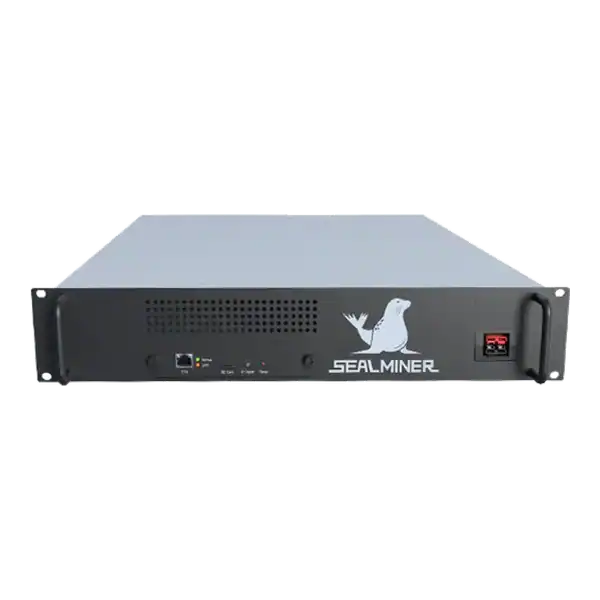

886TH
HASHRATE
9.45W/TH
EFFICIENCY
8373W
POWER
£884.60
EST. MONTHLY
NO PAYBACK
EST. ROI
Compare Bitcoin ETF vs ASIC mining in the UK across exposure, cash flow, fees, custody, operations, tax, liquidity and practical control.
A Bitcoin ETF vs ASIC mining comparison is not a choice between two versions of the same investment. An exchange-traded product gives price exposure through a regulated security or note. At the same time, an ASIC is productive equipment that consumes electricity, submits proof of work and can earn Bitcoin through a pool.
The investor carries product, issuer, market and fee risk. The miner carries hardware, energy, difficulty, pool, site and operating risk. Compare the complete legal product available to the buyer, not an overseas ETF name or a gross mining-revenue chart.
The Bitcoin ETF vs ASIC mining decision is a choice between financial exposure and an operating system. For an eligible professional or a buyer in a jurisdiction where access was lawful, an exchange-traded product could offer convenient price exposure with issuer, prospectus, fee and market risks.
A miner wants to understand Bitcoin ETF vs ASIC mining. But only after power, difficulty, pool, hardware and site costs. Compare net outcomes, responsibilities and exits, then take regulated investment and tax advice where required.
An exchange-traded fund or note is bought through a financial platform. Its value is intended to reference Bitcoin under the product’s prospectus, holdings, fees and market structure. The holder does not operate a miner or contribute hashrate merely by owning the security.
An ASIC owner buys specialist hardware, provides power and cooling, chooses a pool or solo route and receives mining rewards when valid work is credited. Revenue depends on hashrate, network difficulty, block rewards, transaction fees, pool method, uptime and Bitcoin’s sterling value.
The terms ETF and ETN are not interchangeable. An ETF commonly owns assets within a fund structure. An ETN is a debt security and introduces issuer credit risk. Read the actual prospectus and UK permissions.

In January 2024, the FCA ban on UK firms selling, marketing or distributing crypto derivatives and crypto exchange-traded notes to retail consumers remained in force. The US SEC approval of spot Bitcoin exchange-traded products on 10 January 2024 did not change UK retail permissions.
The FCA had said it would consider professional-only UK market segments for qualifying crypto ETNs. At the same time, retaining the retail ban. An overseas listing did not make a product automatically available, suitable or protected for a UK retail buyer.
Availability depended on the instrument, platform, investor classification and rules in force at the time. This article is a hardware and exposure comparison, not a recommendation to buy an investment.
For an exchange-traded product, record platform charges, annual product fee, bid and offer spread, currency conversion, dealing, custody or account fees, tracking difference and tax wrapper. A low headline fee can still sit alongside a wide spread or premium to net asset value.
For mining, include equipment, delivery, import and VAT treatment, electrical work, energy, cooling, network, pool fee, rejected shares, maintenance, downtime, finance, insurance, labour and disposal. Gross pool revenue is not comparable with an investment’s net return.
| Factor | Exchange-traded product | ASIC mining |
|---|---|---|
| Initial outlay | Units plus dealing cost | Miner, site and commissioning |
| Ongoing cost | Product and platform fees | Electricity, pool and operations |
| Tracking | Price less fees and tracking difference | Revenue changes with difficulty and uptime |
| Exit | Sell during market hours with available liquidity | Sell hardware, stop or relocate |
| Failure | Issuer, custodian, market or platform | Hardware, site, pool, network or power |
A non-income Bitcoin product may not distribute operating cash flow. Gain or loss is normally realised through the security’s value and product terms. Some instruments can behave differently. So read distributions and redemption provisions.
A pool can credit frequent mining earnings. But the amount changes and may remain below payout threshold. Revenue can fall when network difficulty rises even if Bitcoin price is unchanged. Electricity must still be paid during an unprofitable period unless the miner is curtailed.
Mining therefore combines Bitcoin price sensitivity with operating leverage. An efficient miner at low energy cost can remain active through conditions that force a less efficient unit offline. But it is not a fixed yield.
The product investor relies on the issuer, fund or note structure, custodian, exchange and broker. The prospectus determines whether the investor owns units, a claim on an issuer or another interest. It does not usually provide a withdrawal of the referenced Bitcoin to a personal wallet.
A miner can direct pool payouts to an independently controlled wallet and can choose pool, firmware, operating profile and site. That control adds responsibility for keys, network security, sanctions, pool due diligence and safe operation.
Self-custody of mined Bitcoin removes one intermediary but creates key-loss and security risk. Keep private keys off the miner and routine monitoring system.
An exchange-traded product requires investment due diligence but no electrical installation, fan maintenance or pool monitoring. It can usually be traded during the relevant market hours, subject to liquidity, spread, suspension and platform availability.
An ASIC is a physical operating business or hobby. It needs continuous power, heat rejection, noise control, firmware, cleaning, spares and fault response. Selling can take time and value depends on efficiency, condition, warranty, market demand and shipping.
Hosting can outsource part of the operation, but the customer still needs a complete contract covering energy, downtime, repair, insurance, custody and exit.
Tax treatment depends on the investor, entity, instrument, account and activity. A security can produce capital or income consequences under its actual terms. Do not assume an overseas ETF’s tax treatment applies to a UK-listed ETN or a company account.
Mining can produce taxable receipts, cryptoasset disposals, equipment capital expenditure and deductible operating costs when statutory conditions are met. VAT recovery and capital allowances require their own evidence and business-purpose analysis.
Keep separate records for the security or miner, fees, sterling values, wallet movements, invoices and disposals. Get regulated financial and tax advice for the actual facts.
A qualifying exchange-traded product may suit an eligible investor who wants market exposure through an existing brokerage and accepts the prospectus, issuer, fees and lack of direct operational control.
It does not create mining infrastructure or produce independently held Bitcoin unless the product expressly provides that route.
ASIC mining can suit a business with low-cost power, competent operations and a reason to own productive infrastructure. It can also support flexible load or heat use.
It does not suit a buyer who wants passive, liquid exposure and cannot manage the site or hosting contract.
The Bitcoin ETF vs ASIC mining decision is a choice between financial exposure and an operating system.
An exchange-traded fund or note is bought through a financial platform.
In January 2024, the FCA ban on UK firms selling, marketing or distributing crypto derivatives and crypto exchange-traded notes to retail consumers remained in force.
For an exchange-traded product, record platform charges, annual product fee, bid and offer spread, currency conversion, dealing, custody or account fees, tracking difference and tax wrapper.
The Bitcoin ETF vs ASIC mining decision is a choice between financial exposure and an operating system. For an eligible professional or a buyer in a jurisdiction where access was lawful, an exchange-traded product could offer convenient price exposure with issuer, prospectus, fee and market risks. An ASIC can generate mining revenue and operational control.
But only after power, difficulty, pool, hardware and site costs. Compare net outcomes, responsibilities and exits, then take regulated investment and tax advice where required.
Use The Mining Shop UK’s profitability, tax, hosting and risk guidance to model an ASIC on its operating facts. For any exchange-traded product, get the current prospectus and advice from an appropriately authorised professional.
A Bitcoin exchange-traded product tracks price through a financial instrument. ASIC mining converts equipment, electricity and operations into probabilistic mining revenue. In January 2024, the FCA retail ban on crypto derivatives and crypto ETNs remained in force. US spot Bitcoin ETP approval did not make those products automatically available or protected for UK retail buyers.
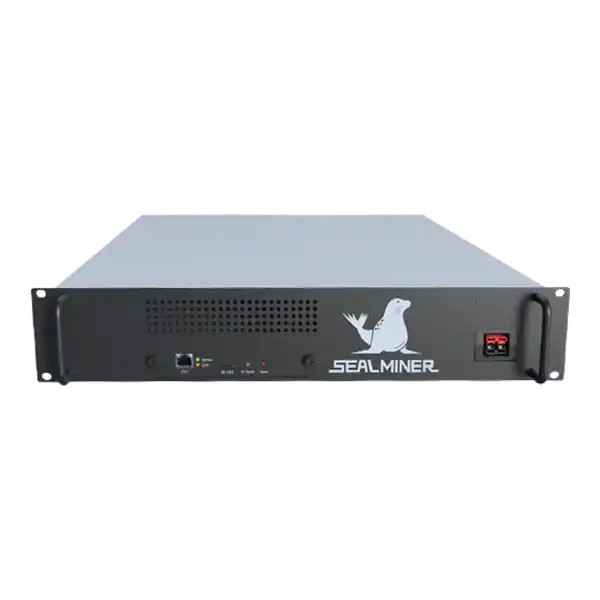

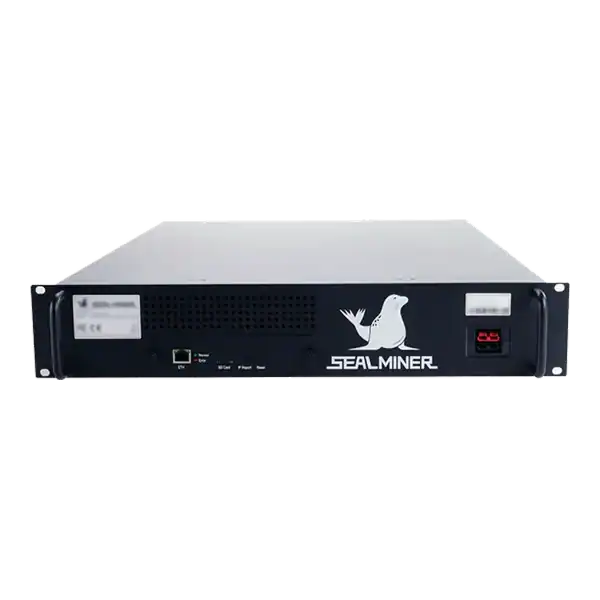
Build a five-year ASIC replacement calendar from efficiency gap, tariff, failure rate, parts, firmware, resale, network scenarios and capital gates.
Build ASIC profit forecast ranges using base, downside and severe cases for accepted hashrate, energy, uptime, difficulty, reward, fees, price and repairs.
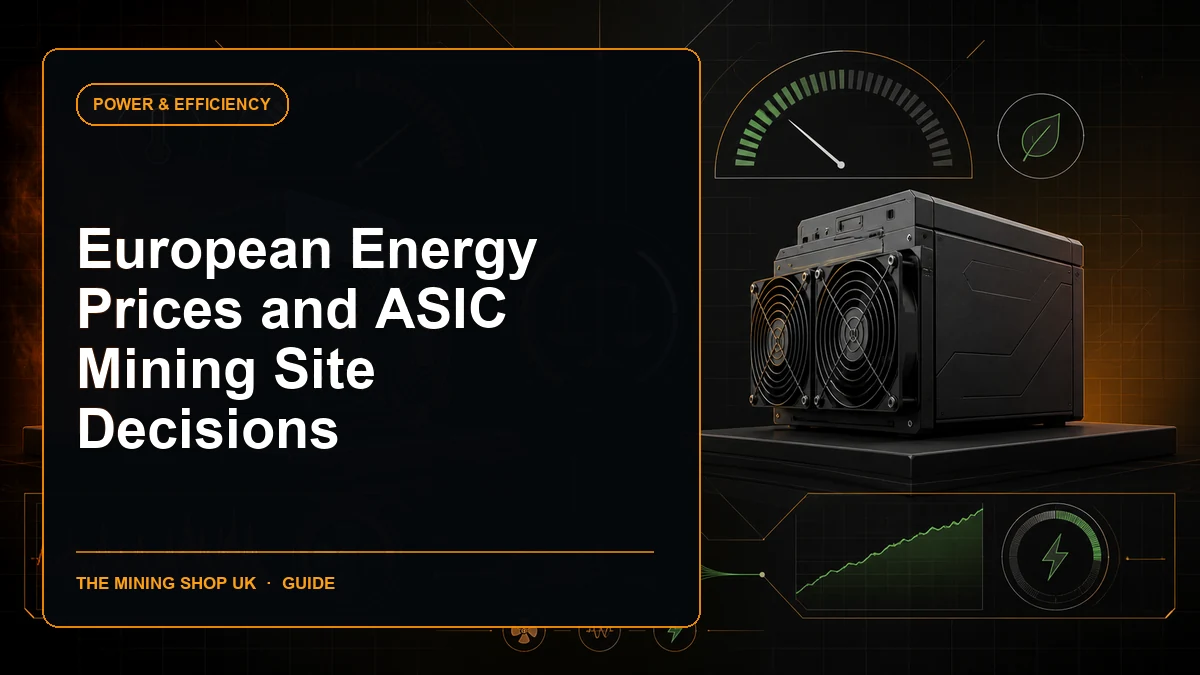
Compare European ASIC mining energy costs using the correct tariff band, taxes, grid connection, curtailment, cooling, contracts and location risks.
Join the ASIC Mining Discussion
Members can read and join the discussion
Log in to read comments from other miners. Create a free account if you would like to ask a question or share your experience.
Membership helps us protect the discussion from spam and keep answers useful.