
Pre-order
Overall ranking

Equihash
·
ZEC
Overall rank#1of 100AvailableAll: #3 / 831
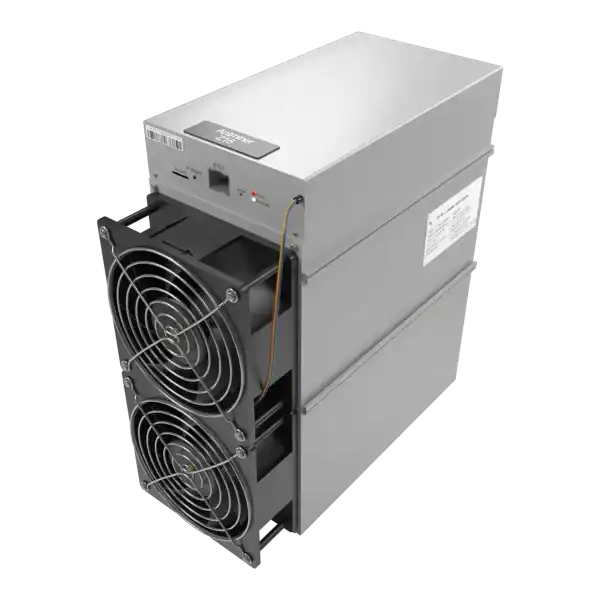

Pre-OrderFree Shipping
Hashrate
525KSOL
Efficiency
4.73W/KSOL
Power
2483W
Earns/kWh
39.8p
Bitcoin Core 0.16 rescanblockchain guide covering scan bounds, genesis and tip defaults, returned coverage, pruning limits, runtime and reconciliation.

This guide explains Bitcoin Core rescanblockchain RPC in plain English. It shows what the command does, what its result means and what it cannot prove.
Bitcoin Core rescanblockchain RPC: Omitting start scans from genesis and omitting stop continues to tip. Full-history work can be expensive. Schedule it on an appropriate node, monitor CPU and disk and keep wallet-dependent financial automation paused.
A miner is checking Bitcoin Core rescanblockchain RPC. Record active tip and chainwork at start and completion, especially if the tip advances during a long scan.
Use non-negative heights with start no greater than stop or active tip. Derive the start from the earliest relevant key or script time with a safety margin. A late start can silently omit history.
Omitting start scans from genesis and omitting stop continues to tip. Full-history work can be expensive. Schedule it on an appropriate node, monitor CPU and disk and keep wallet-dependent financial automation paused.
Trust but verify returned start_height and stop_height rather than assuming requested values were fully processed. Record active tip and chainwork at start and completion, especially if the tip advances during a long scan.

A pruned node may lack block bodies needed below its retained boundary. Use an archive-capable node or proof-based recovery. Do not interpret an unavailable historical range as evidence that the wallet had no transactions there.
A rescan finds only scripts, addresses and keys already known to the wallet. Import recovery material first under a controlled backup procedure. Scanning cannot recover an unknown private key or unspecified script.
abortrescan can stop work, leaving history incomplete. Record interruption and repeat from a conservative boundary. Test how the running version reports concurrent scans, restart and partially discovered state.
Operators test the command on a non-production node first. They check a normal reply, an invalid request, a timeout and a restart. This shows what the response means and prevents one local result from being mistaken for a network-wide outcome.
Bitcoin Core rescanblockchain RPC: Omitting start scans from genesis and omitting stop continues to tip.
Use non-negative heights with start no greater than stop or active tip.
Omitting start scans from genesis and omitting stop continues to tip. Full-history work can be expensive.
Trust but verify returned start_height and stop_height rather than assuming requested values were fully processed.
rescanblockchain is a wallet-history discovery process whose result is only as complete as its known scripts, local block range and actual scanned bounds. Reconciliation, not command completion, proves recovery.
Check the current specification status and the documentation for the exact implementation you operate before moving production funds or changing a mining node.
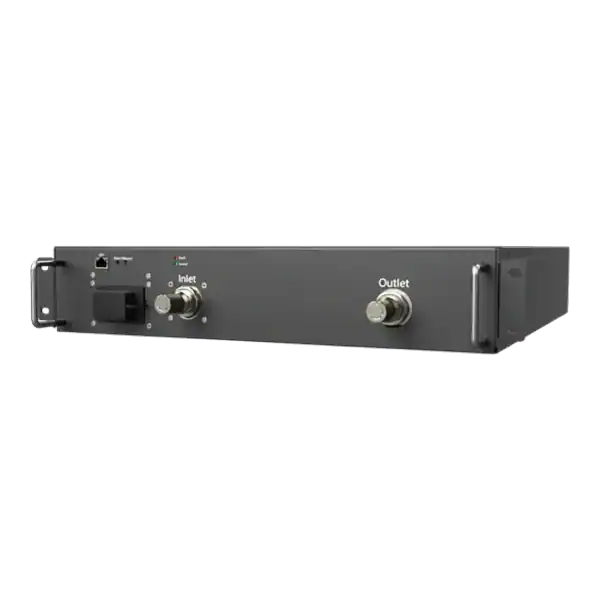
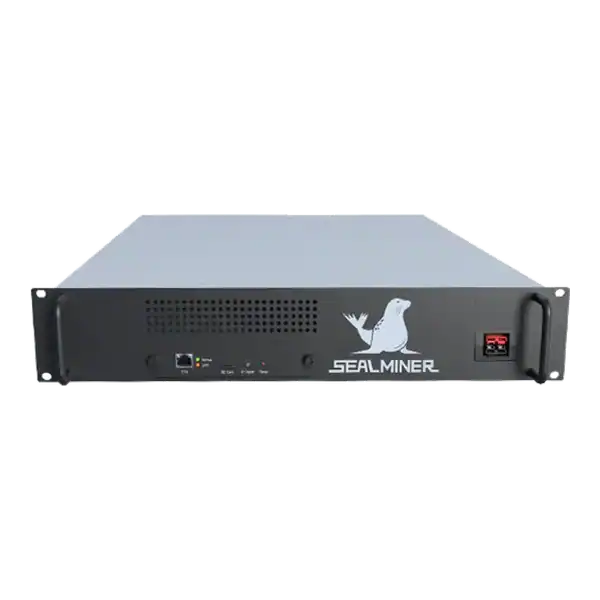

Bitcoin Core 23 restorewallet guide covering backup paths, wallet naming, startup persistence, warnings, rescans, duplicate restores and recovery verification.
Bitcoin Core 0.21 upgradewallet guide covering explicit versions, generated keys, backup rotation, result fields, compatibility testing and rollback planning.

Bitcoin Core 0.19 setwalletflag guide covering avoid_reuse, rescanning, used-address classification, coin selection, warnings, rollback and wallet safety.

Join the ASIC Mining Discussion
Members can read and join the discussion
Log in to read comments from other miners. Create a free account if you would like to ask a question or share your experience.
Membership helps us protect the discussion from spam and keep answers useful.