
Pre-order
Overall ranking

Equihash
·
ZEC
Overall rank#1of 100AvailableAll: #3 / 831
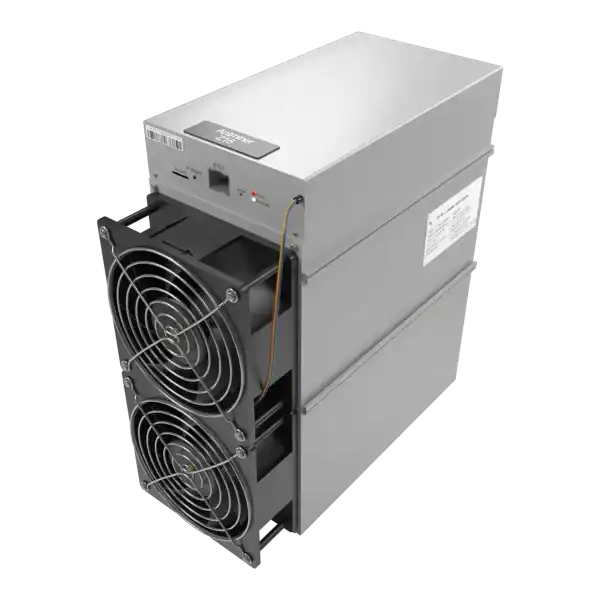

Pre-OrderFree Shipping
Hashrate
525KSOL
Efficiency
4.73W/KSOL
Power
2483W
Earns/kWh
39.8p
Bitcoin Core 0.16 prioritisetransaction guide covering txid, deprecated dummy value, satoshi fee deltas, local mining selection, package effects and audit.

This guide explains Bitcoin Core prioritisetransaction RPC in plain English. It shows what the command does, what its result means and what it cannot prove.
Bitcoin Core prioritisetransaction RPC: Validate txid and inspect current mempool or known transaction state. A correct identifier does not mean the transaction is valid, non-conflicting or still available.
A miner is checking Bitcoin Core prioritisetransaction RPC. Record package ancestry and current template before mutation. Compare whole-template fees, weight and dependencies before and after, not just the target’s position.
Validate txid and inspect current mempool or known transaction state. A correct identifier does not mean the transaction is valid, non-conflicting or still available. Record package ancestry and current template before mutation.
The second positional argument exists only for prior API compatibility and must be zero or null. Prefer named arguments and omit it where supported. Never place an old priority delta in that slot.
fee_delta is an integer satoshi adjustment and can be positive or negative. It changes selection scoring, not the actual fee. Keep it separate from BTC/kB, sat/vB and customer fee accounting.

The effect applies to templates built by this node or connected mining workflow. Other miners and nodes do not inherit it. A true result means the local adjustment was accepted, not that the transaction will confirm.
Changing one transaction’s effective fee can affect ancestor or descendant package selection and displace other revenue. Compare whole-template fees, weight and dependencies before and after, not just the target’s position.
Require an approved reason, bounded delta, owner and end condition. Verify how the running version retains or clears the adjustment across mempool removal and restart. Reconcile template and payout reporting so artificial deltas are not booked as revenue.
Operators test the command on a non-production node first. They check a normal reply, an invalid request, a timeout and a restart. This shows what the response means and prevents one local result from being mistaken for a network-wide outcome.
Bitcoin Core prioritisetransaction RPC: Validate txid and inspect current mempool or known transaction state. A correct identifier does not mean the transaction is valid, non-conflicting or still available.
Validate txid and inspect current mempool or known transaction state. A correct identifier does not mean the transaction is valid, non-conflicting or still available.
The second positional argument exists only for prior API compatibility and must be zero or null.
fee_delta is an integer satoshi adjustment and can be positive or negative.
prioritisetransaction is a local mining-policy adjustment, not a fee payment or network command. Safe use requires exact satoshi units, package-aware template comparison and auditable expiry.
Check the current specification status and the documentation for the exact implementation you operate before moving production funds or changing a mining node.
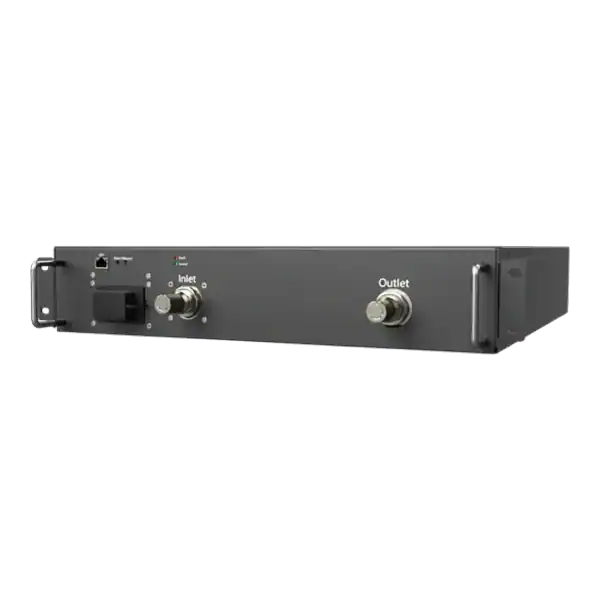

Bitcoin Core 26 getprioritisedtransactions guide covering fee deltas, mempool presence, persistence, mining policy, reconciliation and safe operator use.
Bitcoin Core descriptorprocesspsbt RPC made simple. See what the feature does, where its limits sit and which checks node or wallet operators should make.
Bitcoin Core 22 enumeratesigners guide covering the signer command, master fingerprints, device names, experimental support, failure modes and safe inventory checks.

Join the ASIC Mining Discussion
Members can read and join the discussion
Log in to read comments from other miners. Create a free account if you would like to ask a question or share your experience.
Membership helps us protect the discussion from spam and keep answers useful.