

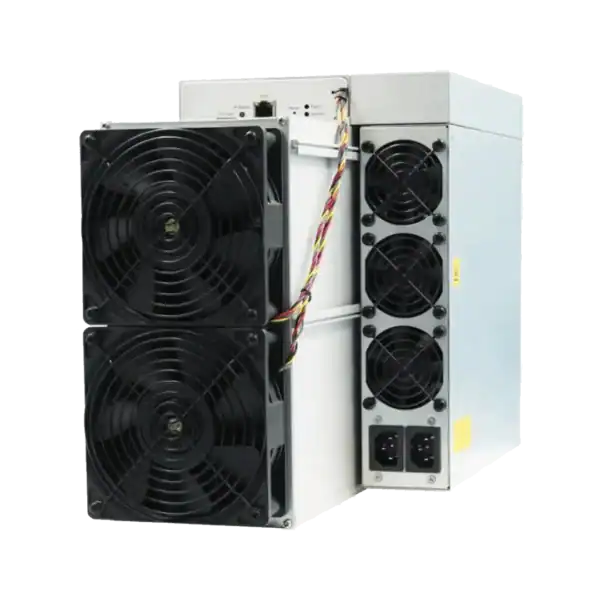
Antminer X9
Monero ASIC Miner

1000KH
HASHRATE
2.47W/KH
EFFICIENCY
2470W
POWER
£864.35
EST. MONTHLY
204
DAYS
EST. ROI
Bitcoin Core 0.17 loadwallet guide covering wallet files and directories, inherited startup options, warnings, path security, readiness and unload rollback.
This guide explains Bitcoin Core loadwallet RPC in plain English. It shows what the command does, what its result means and what it cannot prove.
Bitcoin Core loadwallet RPC: Resolve filename to an approved wallet directory or data file, reject traversal and symlink surprises and check ownership and permissions.
A miner is checking Bitcoin Core loadwallet RPC. Review the effective node command line before every load. Block loading when an inherited option is unexpected or unsafe for that wallet.
Resolve filename to an approved wallet directory or data file, reject traversal and symlink surprises and check ownership and permissions. Authenticate backup provenance before loading. Never probe arbitrary server paths through a public or broadly authorised RPC service.
Review the effective node command line before every load. Options such as zapwallettxes, upgradewallet and rescan apply to the new wallet and may alter history, keypool state or availability. Block loading when an inherited option is unexpected or unsafe for that wallet.
Large rescans, upgrades or recovery work can consume CPU and storage I/O and delay wallet readiness. Estimate duration and block deposits, withdrawals and signing until synchronization completes. A wallet listed as loaded can still be operationally incomplete.

Validate both returned name and warning. A non-empty warning prevents readiness even if a wallet object exists. Record it with logs and effective options and investigate rather than unloading and retrying repeatedly under changing parameters.
After load, route wallet RPCs through the exact wallet endpoint and compare expected key mode, encryption, balances, best block and rescan state. Do not let a basename collision or restored copy become the production wallet without explicit inventory registration.
Preserve a protected pre-load copy before any option can mutate the wallet. Define unloadwallet as an operational rollback only after dependent jobs are drained; unloading does not reverse an upgrade, rescan or data mutation already completed.
Operators test the command on a non-production node first. They check a normal reply, an invalid request, a timeout and a restart. This shows what the response means and prevents one local result from being mistaken for a network-wide outcome.
Bitcoin Core loadwallet RPC: Resolve filename to an approved wallet directory or data file, reject traversal and symlink surprises and check ownership and permissions.
Resolve filename to an approved wallet directory or data file, reject traversal and symlink surprises and check ownership and permissions.
Review the effective node command line before every load. Options such as zapwallettxes, upgradewallet and rescan apply to the new wallet and may alter history, keypool state or availability.
Large rescans, upgrades or recovery work can consume CPU and storage I/O and delay wallet readiness.
loadwallet is a runtime storage and custody transition whose behaviour inherits node startup options. Safe operation authenticates the path, blocks on warnings and proves complete wallet readiness before service use.
Check the current specification status and the documentation for the exact implementation you operate before moving production funds or changing a mining node.

Bitcoin Core 23 restorewallet guide covering backup paths, wallet naming, startup persistence, warnings, rescans, duplicate restores and recovery verification.
Bitcoin Core 0.21 upgradewallet guide covering explicit versions, generated keys, backup rotation, result fields, compatibility testing and rollback planning.
Bitcoin Core 0.19 setwalletflag guide covering avoid_reuse, rescanning, used-address classification, coin selection, warnings, rollback and wallet safety.
Join the ASIC Mining Discussion
Members can read and join the discussion
Log in to read comments from other miners. Create a free account if you would like to ask a question or share your experience.
Membership helps us protect the discussion from spam and keep answers useful.