

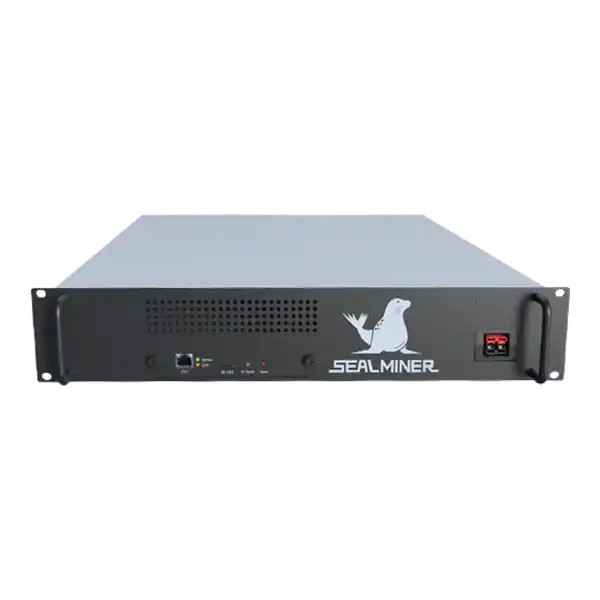
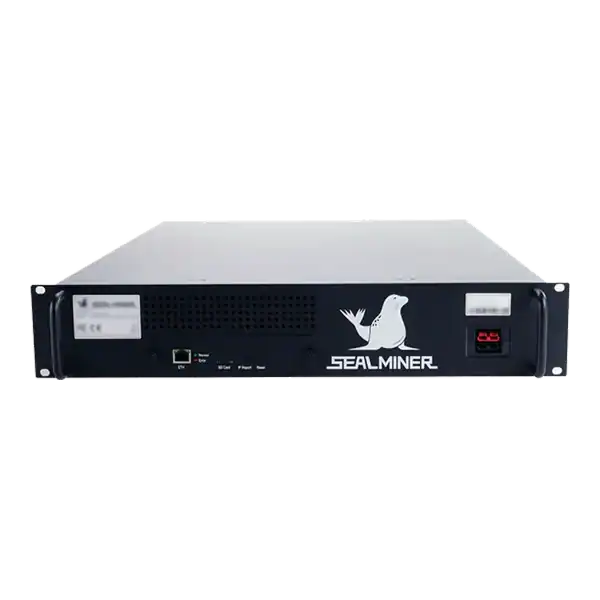
Sealminer A4 Ultra Hydro
Bitcoin & Bitcoin Cash ASIC Miner
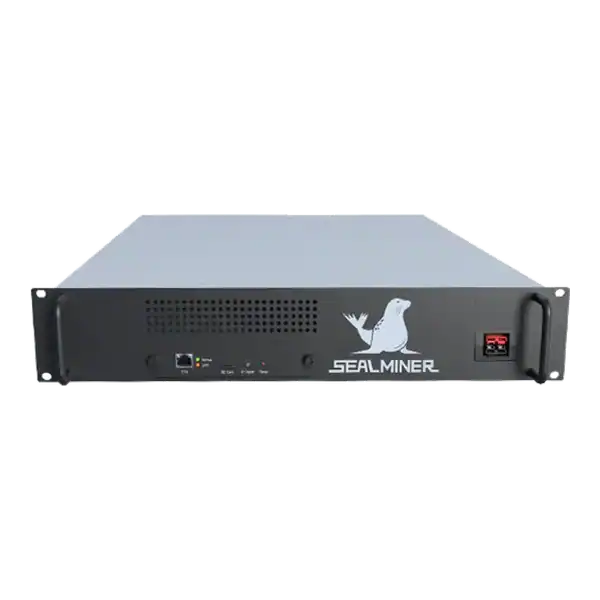

886TH
HASHRATE
9.45W/TH
EFFICIENCY
8373W
POWER
£884.60
EST. MONTHLY
NO PAYBACK
EST. ROI
Bitcoin Core 22 listdescriptors guide to public descriptors, timestamps, flags, ranges, next indexes, backups, privacy controls and restoration tests.

This guide explains Bitcoin Core listdescriptors RPC in plain English. It shows what the command does, what its result means and what it cannot prove.
Bitcoin Core listdescriptors RPC: The RPC applies to a selected descriptor-enabled wallet and has no arguments in 22.0. Select the intended wallet endpoint explicitly and record the returned wallet_name before trusting the inventory.
A miner is checking Bitcoin Core listdescriptors RPC. Capture the inventory into encrypted, access-controlled recovery evidence and pair it with seed or signer custody, network, wallet version and restoration instructions.
The RPC applies to a selected descriptor-enabled wallet and has no arguments in 22.0. Select the intended wallet endpoint explicitly and record the returned wallet_name before trusting the inventory.
Core returns public descriptor forms, which support watch-only discovery but should not expose private keys. Public extended keys, origins and derivation patterns remain sensitive operational data.
active marks descriptors used for address generation; internal distinguishes change from receive only for active entries. Inactive does not mean irrelevant because historical funds may still depend on it.

timestamp controls historical scan boundaries. Ranged descriptors may include inclusive range bounds and the next address index, which are central to gap-safe recovery and issuance continuity.
Capture the inventory into encrypted, access-controlled recovery evidence and pair it with seed or signer custody, network, wallet version and restoration instructions. The output alone cannot sign.
Diff canonical descriptors, flags, ranges and next indexes before and after imports or upgrades. Investigate unexpected key origins, wrapper types, disabled descriptors or index regressions.
Operators test the command on a non-production node first. They check a normal reply, an invalid request, a timeout and a restart. This shows what the response means and prevents one local result from being mistaken for a network-wide outcome.
Bitcoin Core listdescriptors RPC: The RPC applies to a selected descriptor-enabled wallet and has no arguments in 22.0.
The RPC applies to a selected descriptor-enabled wallet and has no arguments in 22.0.
Core returns public descriptor forms, which support watch-only discovery but should not expose private keys.
active marks descriptors used for address generation. Internal distinguishes change from receive only for active entries.
listdescriptors turns wallet policy into auditable inventory. Its public output still needs strong confidentiality, and a real backup must pair descriptors and range state with signing custody and a tested restoration procedure.
Check the current specification status and the documentation for the exact implementation you operate before moving production funds or changing a mining node.

Bitcoin Core 29 getdescriptoractivity guide covering block lists, descriptor ranges, mempool inclusion, receive and spend events, privacy and safe reconciliation.

Bitcoin Core 28 gethdkeys guide covering active filtering, xpubs, optional xprvs, descriptor mapping, RPC permissions, privacy and safe wallet audits.
Bitcoin Core 28 createwalletdescriptor guide covering address types, internal and external descriptors, HD-key selection, encryption, backups and verification.
Join the ASIC Mining Discussion
Members can read and join the discussion
Log in to read comments from other miners. Create a free account if you would like to ask a question or share your experience.
Membership helps us protect the discussion from spam and keep answers useful.