
Pre-order
Overall ranking

Equihash
·
ZEC
Overall rank#1of 100AvailableAll: #4 / 831
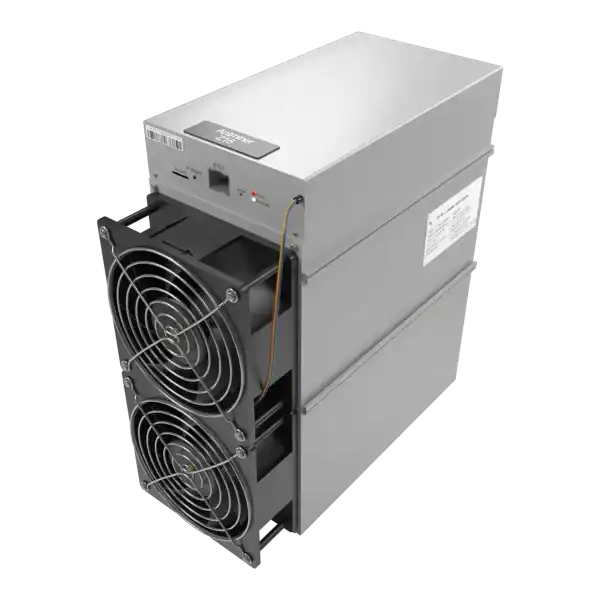

Pre-OrderFree Shipping
Hashrate
525KSOL
Efficiency
4.73W/KSOL
Power
2483W
Earns/kWh
39.8p
Bitcoin Core 0.16 listaddressgroupings guide covering common-input and change clustering, BTC balances, deprecated accounts, heuristic limits and privacy controls.
This guide explains Bitcoin Core listaddressgroupings RPC in plain English. It shows what the command does, what its result means and what it cannot prove.
Bitcoin Core listaddressgroupings RPC: Spending multiple inputs together publicly links their controlling signatures in one transaction and commonly suggests joint ownership. Collaborative transactions and shared custody can violate the assumption, so present grouping as evidence to review, not certain identity.
A miner is checking Bitcoin Core listaddressgroupings RPC. State confidence and corroborate with internal transaction provenance before acting. Wallet-created change can link a new internal destination back to input clusters.
Spending multiple inputs together publicly links their controlling signatures in one transaction and commonly suggests joint ownership. Collaborative transactions and shared custody can violate the assumption, so present grouping as evidence to review, not certain identity.
Wallet-created change can link a new internal destination back to input clusters. Exact inference depends on wallet construction and history. Coin control and transaction design can limit future linkage but cannot erase links already published on-chain.
The RPC returns groups containing address entries with BTC amount and optional deprecated account. Parse variable nesting and missing third fields defensively. Convert amounts to satoshis and never use account as a custody boundary.

The amount beside an address is a wallet balance observation, while grouping arises from historical transactions. A zero-balance address may remain privacy-linked. Do not delete it from analysis merely because its current amount is zero.
Clusters can expose treasury structure, payout flows and customer relationships. Restrict RPC, encrypt retained evidence, minimise access and redact addresses and labels from general monitoring. Aggregate metrics are usually enough.
CoinJoin-like collaboration, payjoin, shared wallets and imported data can produce false ownership conclusions; incomplete rescans can omit links. State confidence and corroborate with internal transaction provenance before acting.
Operators test the command on a non-production node first. They check a normal reply, an invalid request, a timeout and a restart. This shows what the response means and prevents one local result from being mistaken for a network-wide outcome.
Bitcoin Core listaddressgroupings RPC: Spending multiple inputs together publicly links their controlling signatures in one transaction and commonly suggests joint ownership.
Spending multiple inputs together publicly links their controlling signatures in one transaction and commonly suggests joint ownership.
Wallet-created change can link a new internal destination back to input clusters.
The RPC returns groups containing address entries with BTC amount and optional deprecated account.
listaddressgroupings makes wallet privacy leakage visible, but its clusters are heuristic and sensitive. Use them for controlled diagnosis, not public identity claims or automatic customer linkage.
Check the current specification status and the documentation for the exact implementation you operate before moving production funds or changing a mining node.
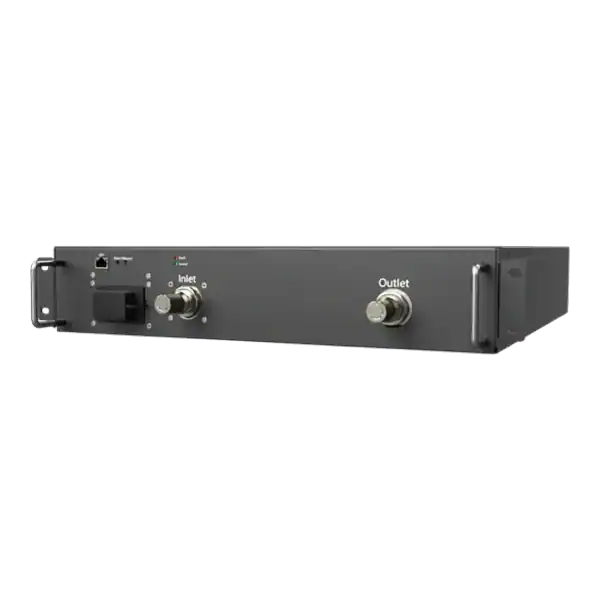
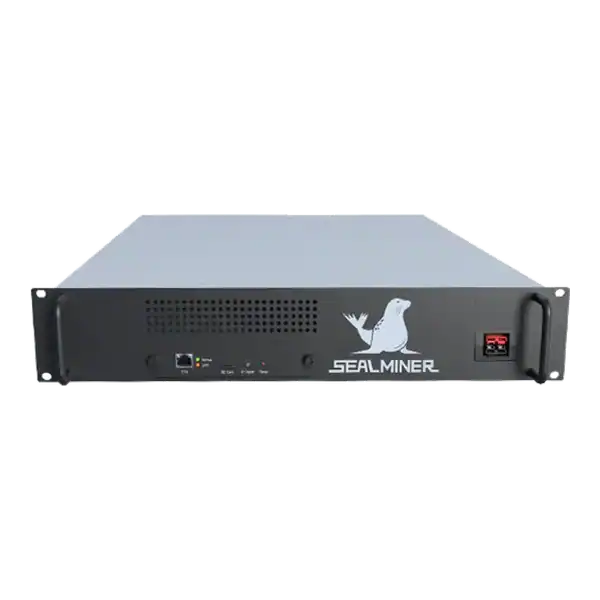

Bitcoin Core 29 getdescriptoractivity guide covering block lists, descriptor ranges, mempool inclusion, receive and spend events, privacy and safe reconciliation.
Bitcoin Core 28 gethdkeys guide covering active filtering, xpubs, optional xprvs, descriptor mapping, RPC permissions, privacy and safe wallet audits.
Bitcoin Core 28 createwalletdescriptor guide covering address types, internal and external descriptors, HD-key selection, encryption, backups and verification.

Join the ASIC Mining Discussion
Members can read and join the discussion
Log in to read comments from other miners. Create a free account if you would like to ask a question or share your experience.
Membership helps us protect the discussion from spam and keep answers useful.