
Pre-order
Overall ranking

Equihash
·
ZEC
Overall rank#1of 100AvailableAll: #3 / 831
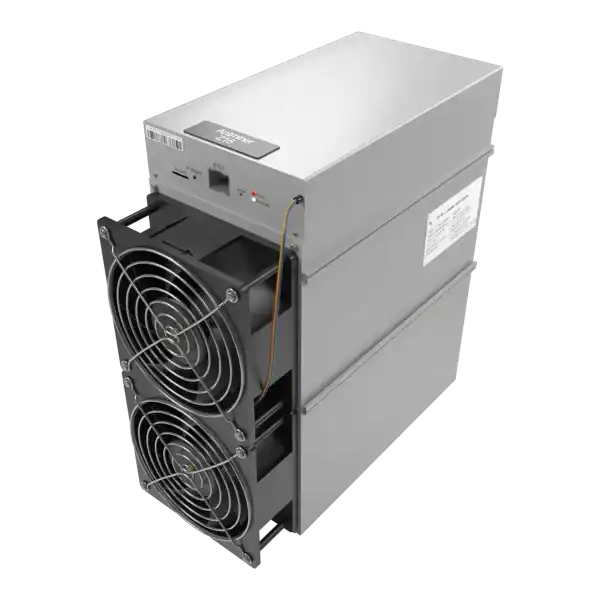

Pre-OrderFree Shipping
Hashrate
525KSOL
Efficiency
4.73W/KSOL
Power
2483W
Earns/kWh
40.2p
Bitcoin Core 0.16 getreceivedbyaddress guide covering cumulative BTC receipts, confirmations, reorgs, address scope, exact arithmetic and reconciliation.

This guide explains Bitcoin Core getreceivedbyaddress RPC in plain English. It shows what the command does, what its result means and what it cannot prove.
Bitcoin Core getreceivedbyaddress RPC: The returned total adds qualifying payments to the address and does not fall when those outputs are spent.
A miner is checking Bitcoin Core getreceivedbyaddress RPC. Never label it current balance, available funds or net cash flow. Use outpoint and wallet-balance evidence for those different questions.
Validate the address for the active network and confirm it belongs to the intended wallet context. The RPC is wallet-oriented, not a universal blockchain address explorer. Imported or watch-only scope and rescans can affect which history the wallet recognises.
The returned total adds qualifying payments to the address and does not fall when those outputs are spent. Never label it current balance, available funds or net cash flow. Use outpoint and wallet-balance evidence for those different questions.
minconf defaults to one, zero includes unconfirmed transactions and larger values restrict the total by depth. Persist the exact threshold beside every figure. Comparing reports with different thresholds without labels creates false reconciliation discrepancies.

Unconfirmed payments can be replaced or conflict, and confirmed payments can lose depth or detach during a reorganisation. Recalculate affected totals from active-chain evidence and retain the original observation rather than silently overwriting an audit trail.
The historical result is denominated in BTC. Parse decimal values into integer satoshis with explicit bounds and never accumulate them using binary floating point. Currency conversion belongs in a separate timestamped accounting layer.
The RPC can aggregate repeated receipts, but that does not make address reuse good practice. Issue fresh destinations per invoice and map each to business references. Shared-address totals make attribution ambiguous and expose customer activity.
Operators test the command on a non-production node first. They check a normal reply, an invalid request, a timeout and a restart. This shows what the response means and prevents one local result from being mistaken for a network-wide outcome.
Bitcoin Core getreceivedbyaddress RPC: The returned total adds qualifying payments to the address and does not fall when those outputs are spent.
Validate the address for the active network and confirm it belongs to the intended wallet context.
The returned total adds qualifying payments to the address and does not fall when those outputs are spent.
minconf defaults to one, zero includes unconfirmed transactions and larger values restrict the total by depth.
getreceivedbyaddress is a narrow cumulative receipt report. It is reliable when confirmation threshold, wallet scope and exact arithmetic are explicit and when business reconciliation remains anchored to transaction outpoints.
Check the current specification status and the documentation for the exact implementation you operate before moving production funds or changing a mining node.

Bitcoin Core 29 getdescriptoractivity guide covering block lists, descriptor ranges, mempool inclusion, receive and spend events, privacy and safe reconciliation.
Bitcoin Core 28 gethdkeys guide covering active filtering, xpubs, optional xprvs, descriptor mapping, RPC permissions, privacy and safe wallet audits.
Bitcoin Core 28 createwalletdescriptor guide covering address types, internal and external descriptors, HD-key selection, encryption, backups and verification.

Join the ASIC Mining Discussion
Members can read and join the discussion
Log in to read comments from other miners. Create a free account if you would like to ask a question or share your experience.
Membership helps us protect the discussion from spam and keep answers useful.