
Pre-order
Overall ranking

Equihash
·
ZEC
Overall rank#1of 100AvailableAll: #2 / 831
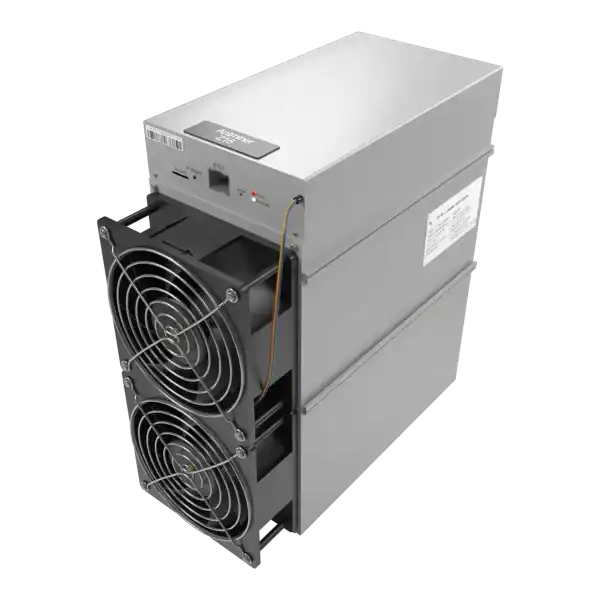

Pre-OrderFree Shipping
Hashrate
525KSOL
Efficiency
4.73W/KSOL
Power
2483W
Earns/kWh
40.2p
Bitcoin Core 0.16 getnetworkhashps guide covering sampling windows, difficulty periods, historical heights, variance, units and mining forecasts.
This guide explains Bitcoin Core getnetworkhashps RPC in plain English. It shows what the command does, what its result means and what it cannot prove.
Bitcoin Core getnetworkhashps RPC: Block arrival is probabilistic, so realised intervals vary even under steady hash rate. Confidence improves with longer samples but structural changes can make old data less relevant.
A node operator is checking Bitcoin Core getnetworkhashps RPC. That aligns work under a common target but produces a short sample just after retarget. Revenue models must include pool method, miner uptime, fees, difficulty and variance.
nblocks controls the number of historical blocks; the default balances responsiveness against variance. Short windows react quickly but are noisy. Large windows smooth changes and lag real shifts. Always publish the chosen sample and ending height with the estimate.
Minus one requests the interval since the last difficulty change. That aligns work under a common target but produces a short sample just after retarget. Handle boundary conditions and never assume the resulting value has constant statistical confidence.
The optional height estimates conditions when a selected block was found. Validate bounds and active-chain identity. Recent heights may be reorganised, so retain the ending hash and chainwork rather than using a mutable height as the only reference.

The result is hashes per second inferred from block work and elapsed time. Use wide numeric types and display SI prefixes without losing the underlying value. Separate H/s from miner-reported TH/s or EH/s and state rounding.
Block arrival is probabilistic, so realised intervals vary even under steady hash rate. Confidence improves with longer samples but structural changes can make old data less relevant. Revenue models must include pool method, miner uptime, fees, difficulty and variance.
Compare multiple windows and independent active-chain nodes. Large disagreement can indicate different tips, timestamps, sample boundaries or stale nodes. Public dashboards are useful context but not a substitute for verifying the underlying chain sample.
Operators test the command on a non-production node first. They check a normal reply, an invalid request, a timeout and a restart. This shows what the response means and prevents one local result from being mistaken for a network-wide outcome.
Bitcoin Core getnetworkhashps RPC: Block arrival is probabilistic, so realised intervals vary even under steady hash rate.
nblocks controls the number of historical blocks. The default balances responsiveness against variance.
Minus one requests the interval since the last difficulty change. That aligns work under a common target but produces a short sample just after retarget.
The optional height estimates conditions when a selected block was found. Validate bounds and active-chain identity.
getnetworkhashps is a chain-derived estimate whose quality depends on sample choice and block-time variance. It is useful for trends, not direct miner measurement or deterministic revenue forecasting.
Check the current specification status and the documentation for the exact implementation you operate before moving production funds or changing a mining node.
Bitcoin Core 26 getaddrmaninfo guide covering new and tried address-manager tables, per-network counts, diversity monitoring, privacy and diagnostic limits.
Bitcoin Core 23 getblockfrompeer guide covering known headers, peer IDs, scheduled requests, peer replacement, validation, monitoring and failure recovery.
Bitcoin Core 0.16 stop RPC guide covering authority, service draining, state persistence, process supervision, shutdown verification and restart readiness.

Join the ASIC Mining Discussion
Members can read and join the discussion
Log in to read comments from other miners. Create a free account if you would like to ask a question or share your experience.
Membership helps us protect the discussion from spam and keep answers useful.