
Pre-order
Overall ranking

Equihash
·
ZEC
Overall rank#1of 100AvailableAll: #2 / 831
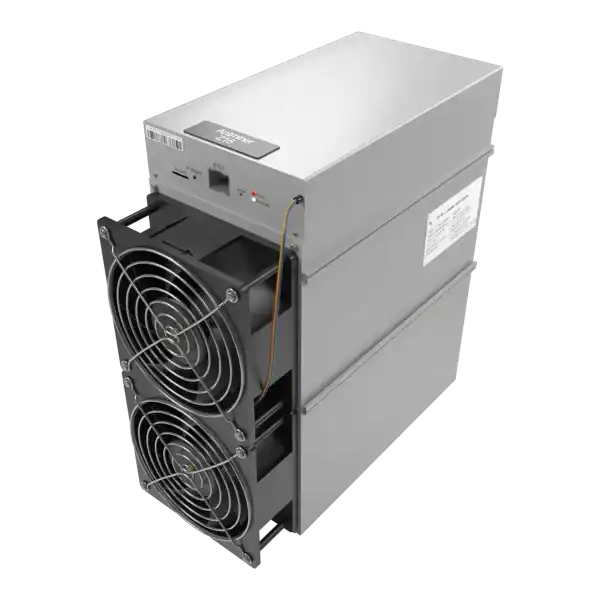

Pre-OrderFree Shipping
Hashrate
525KSOL
Efficiency
4.73W/KSOL
Power
2483W
Earns/kWh
40.2p
Bitcoin Core 0.16 getnetworkinfo guide covering versions, services, relay, time offset, connections, network reachability, proxies, fees and warnings.

This guide explains Bitcoin Core getnetworkinfo RPC in plain English. It shows what the command does, what its result means and what it cannot prove.
Bitcoin Core getnetworkinfo RPC: Each IPv4, IPv6 or onion entry reports limited, reachable, proxy and credential-randomisation state. Empty proxy values and reachability have precise local meanings.
A node operator is checking Bitcoin Core getnetworkinfo RPC. Combine with peer details, best-tip age, headers and warnings before gating mining or financial services.
version and subversion identify the software while protocolversion describes P2P negotiation capability. Inventory exact builds and avoid treating a familiar subversion string as cryptographic attestation. Verify binaries and supported upgrade paths separately.
localservices encodes offered capabilities and localrelay shows whether transaction relay was requested from peers. Decode bit flags with version-appropriate definitions. A false relay preference may be intentional for block-only roles and should not be called a generic outage.
connections counts peers while networkactive indicates whether P2P networking is enabled. A non-zero count does not prove useful relay or chain freshness. Combine with peer details, best-tip age, headers and warnings before gating mining or financial services.

Each IPv4, IPv6 or onion entry reports limited, reachable, proxy and credential-randomisation state. Empty proxy values and reachability have precise local meanings. Protect this output because it can reveal routing choices and privacy boundaries.
relayfee is the local minimum relay fee and incrementalfee is the minimum increment used for mempool limiting or BIP 125 replacement, historically in BTC/kB. These are policy parameters, not universal network prices. Pin units and compare effective configuration.
localaddresses contains advertised addresses, ports and relative scores; timeoffset reports network-adjusted offset; warnings carries operational alerts. Redact addresses from ordinary logs, monitor material clock deviation and route warnings to humans rather than dropping them.
Test networking enabled and disabled, direct and proxy routes, limited networks, relay on and off, wrong fee configuration and warning states. Confirm secrets are absent from reports and that monitoring distinguishes privacy-preserving intentional limits from accidental loss of connectivity. Build a revision-pinned evidence pack on an isolated node, wallet or protocol harness.
Bitcoin Core getnetworkinfo RPC: Each IPv4, IPv6 or onion entry reports limited, reachable, proxy and credential-randomisation state.
version and subversion identify the software while protocolversion describes P2P negotiation capability.
localservices encodes offered capabilities and localrelay shows whether transaction relay was requested from peers.
connections counts peers while networkactive indicates whether P2P networking is enabled. A non-zero count does not prove useful relay or chain freshness.
getnetworkinfo is the central P2P-state summary, but safe interpretation depends on role, policy, privacy and chain context. Restrict the response and verify service outcomes rather than trusting one healthy-looking field.
Check the current specification status and the documentation for the exact implementation you operate before moving production funds or changing a mining node.
Bitcoin Core 26 getaddrmaninfo guide covering new and tried address-manager tables, per-network counts, diversity monitoring, privacy and diagnostic limits.
Bitcoin Core 23 getblockfrompeer guide covering known headers, peer IDs, scheduled requests, peer replacement, validation, monitoring and failure recovery.
Bitcoin Core 0.16 stop RPC guide covering authority, service draining, state persistence, process supervision, shutdown verification and restart readiness.

Join the ASIC Mining Discussion
Members can read and join the discussion
Log in to read comments from other miners. Create a free account if you would like to ask a question or share your experience.
Membership helps us protect the discussion from spam and keep answers useful.