
Pre-order
Overall ranking

Equihash
·
ZEC
Overall rank#1of 100AvailableAll: #2 / 831
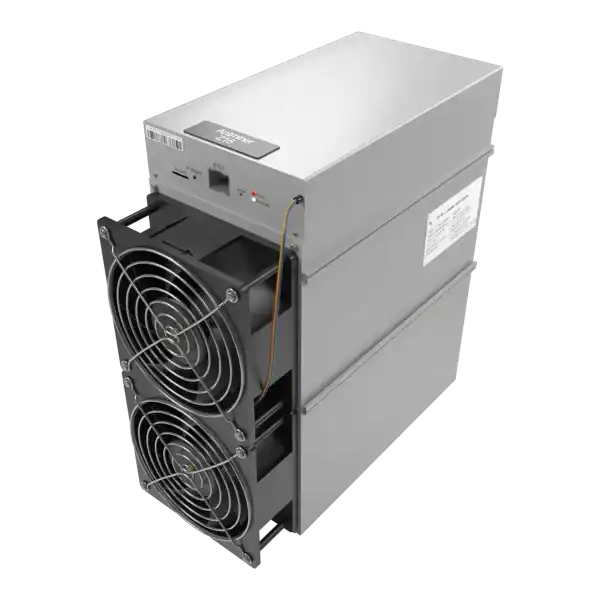

Pre-OrderFree Shipping
Hashrate
525KSOL
Efficiency
4.73W/KSOL
Power
2483W
Earns/kWh
39.6p
Bitcoin Core 0.16 getmininginfo guide covering height, last-block weight, difficulty, estimated hash rate, mempool size, chain and warnings.

This guide explains Bitcoin Core getmininginfo RPC in plain English. It shows what the command does, what its result means and what it cannot prove.
Bitcoin Core getmininginfo RPC: Mining readiness also needs header and block sync, clock health, peer quality, template freshness, payout configuration and failover testing.
A miner is checking Bitcoin Core getmininginfo RPC. Verify chain before every interpretation and pair blocks with the best hash and chainwork. Combine it with mempoolinfo and template results before discussing available fees.
Verify chain before every interpretation and pair blocks with the best hash and chainwork. Height alone cannot identify the tip or detect a same-height fork. A responsive wrong-network node is a hard configuration failure.
currentblockweight and currentblocktx describe the most recent block, not the next candidate template or a target. Small or large values can occur naturally. Use getblocktemplate and package analysis for prospective mining decisions.
difficulty is the relative proof-of-work target and networkhashps is a historical estimate. Neither is a measurement of the operator’s miners or a block-arrival promise. Label sampling assumptions and variance in every performance view.

pooledtx is the local mempool transaction count. It can differ across nodes and says nothing about aggregate virtual size or package fee quality. Combine it with mempoolinfo and template results before discussing available fees.
warnings carries network and blockchain warnings. The errors field duplicated it only when the deprecated RPC option was enabled. Clients should prefer warnings and must not discard a non-empty value merely because other numeric fields look normal.
Mining readiness also needs header and block sync, clock health, peer quality, template freshness, payout configuration and failover testing. Gate each dependency explicitly. Getmininginfo alone cannot confirm work submission or pool connectivity.
Operators test the command on a non-production node first. They check a normal reply, an invalid request, a timeout and a restart. This shows what the response means and prevents one local result from being mistaken for a network-wide outcome.
Bitcoin Core getmininginfo RPC: Mining readiness also needs header and block sync, clock health, peer quality, template freshness, payout configuration and failover testing.
Verify chain before every interpretation and pair blocks with the best hash and chainwork.
currentblockweight and currentblocktx describe the most recent block, not the next candidate template or a target.
difficulty is the relative proof-of-work target and networkhashps is a historical estimate.
getmininginfo is a useful historical summary, but mining approval requires separate chain, template, peer, clock and pool evidence. Its rate and mempool figures remain estimates and local observations.
Check the current specification status and the documentation for the exact implementation you operate before moving production funds or changing a mining node.


Bitcoin Core waitfornewblock RPC made simple. See what the feature does, where its limits sit and which checks node or wallet operators should make.

Bitcoin Core waitforblockheight guide covering at-least height waits, timeout returns, response checks, reorganisations, client limits and reliable automation.

Bitcoin Core waitforblock RPC made simple. See what the feature does, where its limits sit and which checks node or wallet operators should make.

Join the ASIC Mining Discussion
Members can read and join the discussion
Log in to read comments from other miners. Create a free account if you would like to ask a question or share your experience.
Membership helps us protect the discussion from spam and keep answers useful.