
Pre-order
Overall ranking

Equihash
·
ZEC
Overall rank#1of 100AvailableAll: #2 / 831
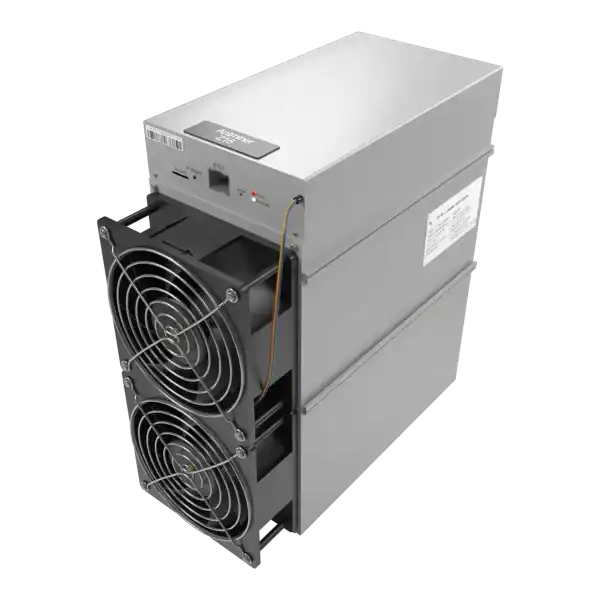

Pre-OrderFree Shipping
Hashrate
525KSOL
Efficiency
4.73W/KSOL
Power
2483W
Earns/kWh
39.8p
Bitcoin Core 0.16 getmempoolinfo guide covering transaction count, virtual bytes, allocator usage, capacity, fee floors, eviction and monitoring.
This guide explains Bitcoin Core getmempoolinfo RPC in plain English. It shows what the command does, what its result means and what it cannot prove.
Bitcoin Core getmempoolinfo RPC: Warn on sustained usage near capacity, rising floors, unexpected configuration changes and disagreement with peer nodes. Use duration and service impact.
A miner is checking Bitcoin Core getmempoolinfo RPC. Record the preceding floor, usage, configuration and transaction package before diagnosing. Size is transaction count. Bytes is the sum of BIP 141 virtual transaction sizes.
size is transaction count; bytes is the sum of BIP 141 virtual transaction sizes. Neither equals allocator memory. Track both because batching, witness composition and transaction shapes can change byte pressure without proportional count movement.
usage measures dynamic mempool memory while maxmempool is the configured ceiling. The relationship is not a simple percentage of transaction bytes because indexes and objects add overhead. Leave host headroom for database cache, peers, wallets and the operating system.
mempoolminfee is the higher of the relay floor and the rolling minimum induced by mempool pressure. Minrelaytxfee is the ordinary local relay floor. Historical units are BTC/kB. Convert carefully and never advertise one node’s value as a network-wide required fee.

When memory pressure forces eviction, the rolling minimum can rise and then decay over time. Transactions missing after pressure may have been evicted rather than rejected by consensus. Record the preceding floor, usage, configuration and transaction package before diagnosing.
Peers relay different subsets under different policies and timing, so mempools diverge. Compare several controlled nodes and fee-estimation evidence. A low value after restart or network isolation is not evidence that demand disappeared.
Warn on sustained usage near capacity, rising floors, unexpected configuration changes and disagreement with peer nodes. Use duration and service impact. Automatically enlarging maxmempool can exhaust hosts and does not solve poor fee or transaction policy.
Operators test the command on a non-production node first. They check a normal reply, an invalid request, a timeout and a restart. This shows what the response means and prevents one local result from being mistaken for a network-wide outcome.
Bitcoin Core getmempoolinfo RPC: Warn on sustained usage near capacity, rising floors, unexpected configuration changes and disagreement with peer nodes.
size is transaction count. Bytes is the sum of BIP 141 virtual transaction sizes.
usage measures dynamic mempool memory while maxmempool is the configured ceiling. The relationship is not a simple percentage of transaction bytes because indexes and objects add overhead.
mempoolminfee is the higher of the relay floor and the rolling minimum induced by mempool pressure.
getmempoolinfo provides a compact capacity and fee-pressure view, but only when each field’s unit and node-local policy meaning remain explicit. It is not a global demand oracle.
Check the current specification status and the documentation for the exact implementation you operate before moving production funds or changing a mining node.
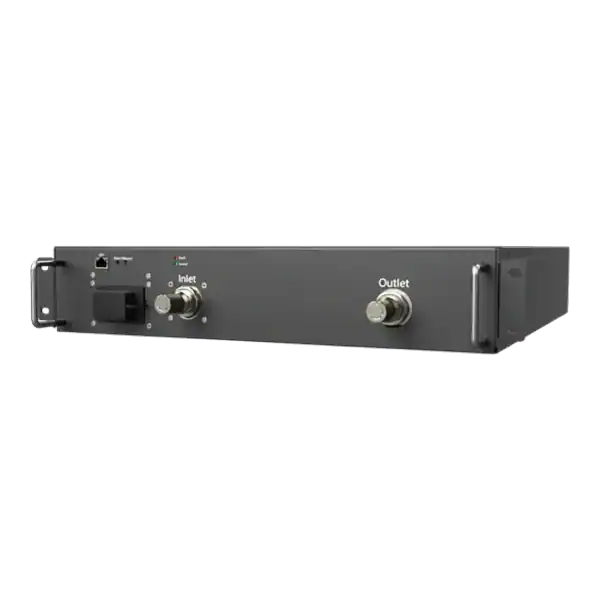
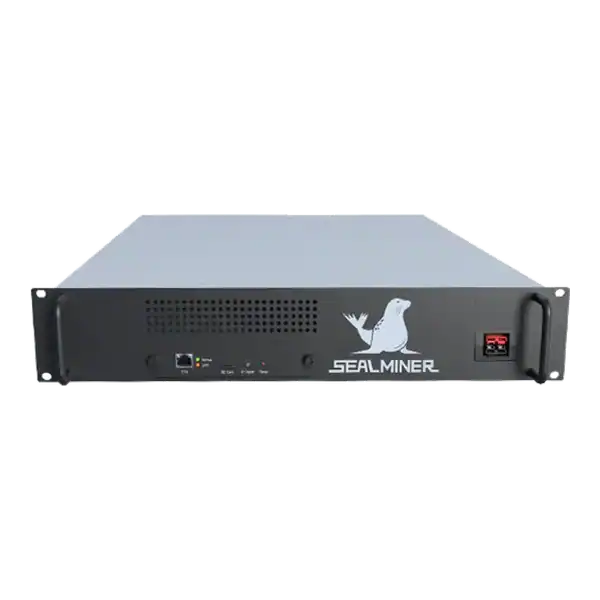

Bitcoin Core 31 getprivatebroadcastinfo guide covering queued transactions, txid and wtxid, raw hex, per-peer sent and acknowledgement times, privacy and monitoring.
Bitcoin Core 31 getmempoolcluster guide covering cluster membership, adjusted weight, mining-order chunks, fees, missing transactions and safe analytics.
Bitcoin Core 31 abortprivatebroadcast guide covering txid and wtxid matching, multiple removals, returned raw transactions, queue-only limits and safe operation.

Join the ASIC Mining Discussion
Members can read and join the discussion
Log in to read comments from other miners. Create a free account if you would like to ask a question or share your experience.
Membership helps us protect the discussion from spam and keep answers useful.