
Pre-order
Overall ranking

Equihash
·
ZEC
Overall rank#1of 100AvailableAll: #2 / 831
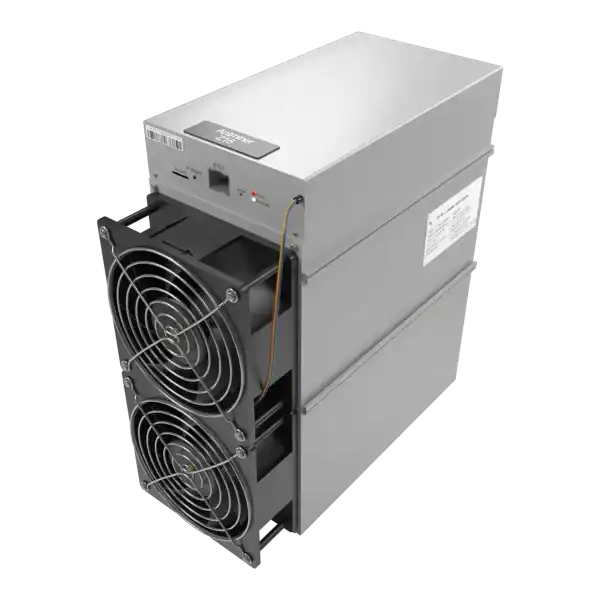

Pre-OrderFree Shipping
Hashrate
525KSOL
Efficiency
4.73W/KSOL
Power
2483W
Earns/kWh
39.8p
Bitcoin Core 0.16 getmempoolancestors guide covering in-mempool parents, verbose metrics, virtual size, modified fees, races and package analysis.

This guide explains Bitcoin Core getmempoolancestors RPC in plain English. It shows what the command does, what its result means and what it cannot prove.
Bitcoin Core getmempoolancestors RPC: Ancestors are unconfirmed transactions whose outputs are spent directly or indirectly by the target. The default array excludes the target and supplies identities without ordering guarantees for application logic.
A miner is checking Bitcoin Core getmempoolancestors RPC. Build a graph from explicit depends fields when order matters. The size is BIP 141 virtual size, not raw serialised bytes.
The target txid must be present in the queried node’s mempool. Confirmation, eviction, replacement or restart can make the request fail between discovery and query. Handle not-found as a state transition and recheck chain or replacement evidence rather than retrying indefinitely.
Ancestors are unconfirmed transactions whose outputs are spent directly or indirectly by the target. The default array excludes the target and supplies identities without ordering guarantees for application logic. Build a graph from explicit depends fields when order matters.
Verbose mode returns per-transaction virtual size, base and modified fees, entry time and height, package aggregates, wtxid and direct dependencies. The size is BIP 141 virtual size, not raw serialised bytes. Preserve BTC and byte units explicitly and pin the historical schema.

modifiedfee and aggregate fee fields include mining-priority deltas applied locally. They may differ from actual transaction fees and from another node’s policy view. Billing or customer reporting should use decoded transaction values, while mining simulation should record the exact local policy and deltas.
Ancestor count, size and fees help explain why a child is accepted, evicted or selected with its parents. They do not guarantee inclusion, because templates also depend on conflicts, limits, feerates and current block construction. Evaluate the complete package at one consistent snapshot.
Mempool contents change during the call and differ by node. Avoid exposing arbitrary public queries that reveal local transaction inventory or permit expensive graph traversal. Authenticate RPC, cap request rates and retain only necessary operational identifiers.
Operators test the command on a non-production node first. They check a normal reply, an invalid request, a timeout and a restart. This shows what the response means and prevents one local result from being mistaken for a network-wide outcome.
Bitcoin Core getmempoolancestors RPC: Ancestors are unconfirmed transactions whose outputs are spent directly or indirectly by the target.
The target txid must be present in the queried node’s mempool. Confirmation, eviction, replacement or restart can make the request fail between discovery and query.
Ancestors are unconfirmed transactions whose outputs are spent directly or indirectly by the target.
Verbose mode returns per-transaction virtual size, base and modified fees, entry time and height, package aggregates, wtxid and direct dependencies.
getmempoolancestors exposes the dependency context needed for package analysis, but every result is a transient local-policy snapshot. Safe use preserves units, fee meaning and explicit race handling.
Check the current specification status and the documentation for the exact implementation you operate before moving production funds or changing a mining node.
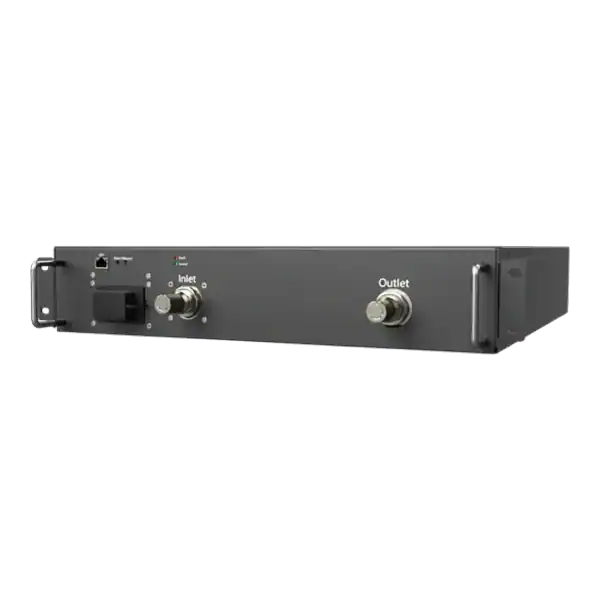

Bitcoin Core 31 getprivatebroadcastinfo guide covering queued transactions, txid and wtxid, raw hex, per-peer sent and acknowledgement times, privacy and monitoring.
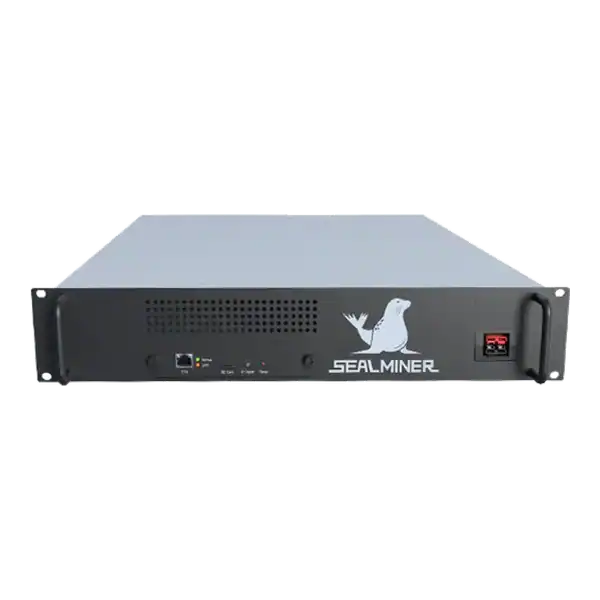
Bitcoin Core 31 getmempoolcluster guide covering cluster membership, adjusted weight, mining-order chunks, fees, missing transactions and safe analytics.

Bitcoin Core 31 abortprivatebroadcast guide covering txid and wtxid matching, multiple removals, returned raw transactions, queue-only limits and safe operation.

Join the ASIC Mining Discussion
Members can read and join the discussion
Log in to read comments from other miners. Create a free account if you would like to ask a question or share your experience.
Membership helps us protect the discussion from spam and keep answers useful.