
Pre-order
Overall ranking

Equihash
·
ZEC
Overall rank#1of 100AvailableAll: #2 / 831
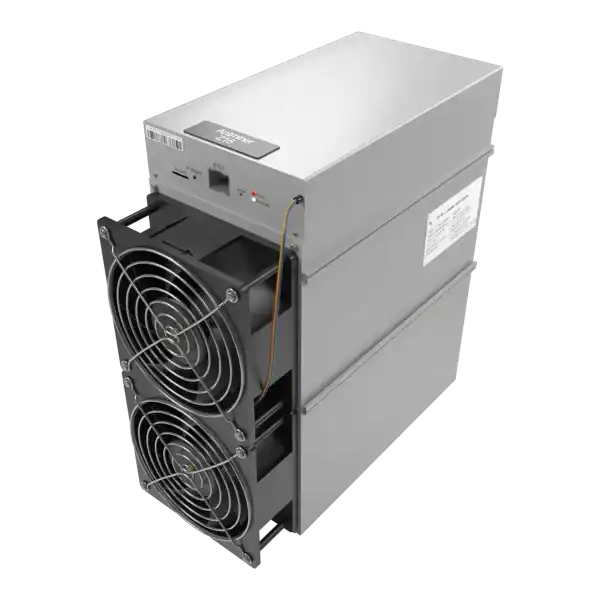

Pre-OrderFree Shipping
Hashrate
525KSOL
Efficiency
4.73W/KSOL
Power
2483W
Earns/kWh
39.8p
Bitcoin Core 0.16 getmemoryinfo guide covering locked arenas, used and free bytes, lock failures, malloc XML, privacy, capacity and incident checks.
This guide explains Bitcoin Core getmemoryinfo RPC in plain English. It shows what the command does, what its result means and what it cannot prove.
Bitcoin Core getmemoryinfo RPC: Default stats describes the locked-memory manager, not resident set size, database cache, mempool or operating-system pressure.
A node operator is checking Bitcoin Core getmemoryinfo RPC. Compare with host telemetry before diagnosing an out-of-memory condition. Compare identical workloads and version-pinned builds before calling an increase a memory leak.
Default stats describes the locked-memory manager, not resident set size, database cache, mempool or operating-system pressure. Used and free refer to current arenas and total is their managed sum. Compare with host telemetry before diagnosing an out-of-memory condition.
The locked field records bytes successfully locked against swapping. If it is smaller than total, locking failed at some point and key-related data could have been swapped to disk. Treat the mismatch as a security and host-configuration signal requiring investigation, not proof that a key leaked.
chunks_used and chunks_free describe allocator blocks within the managed arenas. Trends can help identify fragmentation or lifecycle changes, but counts are not byte sizes. Compare identical workloads and version-pinned builds before calling an increase a memory leak.

On compatible glibc builds, mallocinfo returns allocator XML rather than the stats object. Availability and schema depend on the platform and allocator. Parse defensively, restrict RPC access and avoid forwarding full dumps because allocation patterns may reveal operationally sensitive information.
Memory locking can be limited by process rlimits, service-manager settings, container permissions or host policy. Confirm the effective limit and startup logs on the deployed service account. Do not grant broad privileges merely to remove a warning; use the narrowest supported capability and retain rollback.
Alert on locked below total, mode failure, abrupt managed-memory growth and correlation with wallet operations. Add RSS, swap activity, page faults, database cache and mempool metrics. Store aggregate results rather than detailed allocator data where privacy and attack-surface concerns outweigh diagnostic value.
On a disposable encrypted wallet, test normal startup, constrained lock limits, wallet use, restart and unsupported mallocinfo. Verify byte arithmetic, conditional result types and warning routes. Never use production keys or attach raw allocator XML to a public support ticket.
Bitcoin Core getmemoryinfo RPC: Default stats describes the locked-memory manager, not resident set size, database cache, mempool or operating-system pressure.
Default stats describes the locked-memory manager, not resident set size, database cache, mempool or operating-system pressure.
The locked field records bytes successfully locked against swapping. If it is smaller than total, locking failed at some point and key-related data could have been swapped to disk.
chunks_used and chunks_free describe allocator blocks within the managed arenas. Trends can help identify fragmentation or lifecycle changes, but counts are not byte sizes.
getmemoryinfo is most valuable for confirming sensitive-memory locking and allocator behaviour. It must be combined with host telemetry and handled as potentially sensitive diagnostic evidence.
Check the current specification status and the documentation for the exact implementation you operate before moving production funds or changing a mining node.

Bitcoin Core 30 data-carrier policy explained: larger OP_RETURN defaults, multiple outputs, aggregate sizing and the boundary between policy and consensus.
Bitcoin Core AssumeUTXO guide covering height 840000 mainnet snapshots, authenticated loading, dual chainstates, background validation, storage and rollback.

Learn how Bitcoin Testnet4 mining works, what it can earn, the costs and security checks, and how a Bitcoin node can support SHA-256 miners.

Join the ASIC Mining Discussion
Members can read and join the discussion
Log in to read comments from other miners. Create a free account if you would like to ask a question or share your experience.
Membership helps us protect the discussion from spam and keep answers useful.