
Pre-order
Overall ranking

Equihash
·
ZEC
Overall rank#1of 100AvailableAll: #2 / 831
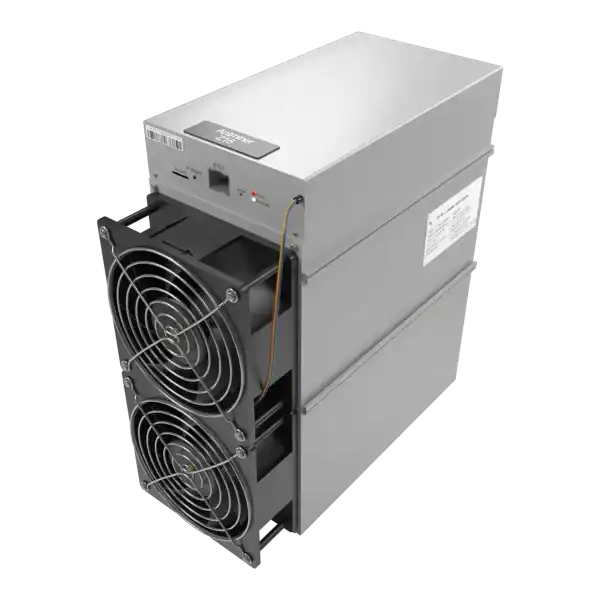

Pre-OrderFree Shipping
Hashrate
525KSOL
Efficiency
4.73W/KSOL
Power
2483W
Earns/kWh
39.8p
Bitcoin Core 0.16 getchaintxstats guide covering block windows, transaction counts, rate calculations, anchor hashes, timestamp limits and monitoring.

This guide explains Bitcoin Core getchaintxstats RPC in plain English. It shows what the command does, what its result means and what it cannot prove.
Bitcoin Core getchaintxstats RPC: The statistic counts confirmed transactions, not inputs, outputs, value transferred, fee demand, virtual bytes or rejected transactions. Batching can increase economic activity while reducing transaction count.
A miner is checking Bitcoin Core getchaintxstats RPC. Validate positive integer bounds and record the resolved ending hash because an unanchored query can change between runs or after a reorganisation.
nblocks selects the intended window and defaults to roughly one month in blocks. A supplied blockhash anchors the end; otherwise the current active tip is used. Validate positive integer bounds and record the resolved ending hash because an unanchored query can change between runs or after a reorganisation.
txcount is cumulative transactions through the ending block, while window_tx_count covers the selected interval. Window_block_count reports the actual number used and can be smaller near genesis. Do not subtract independently sampled cumulative counts unless their block identities and ancestry have also been verified.
window_interval is the difference between boundary block timestamps and txrate is the average transaction count per second over that interval. Miner-selected timestamps are consensus constrained but not precise wall-clock measurements. Short windows can be highly noisy and an interval of zero suppresses the rate field.

The statistic counts confirmed transactions, not inputs, outputs, value transferred, fee demand, virtual bytes or rejected transactions. Batching can increase economic activity while reducing transaction count. Capacity planning should add block weight, fee rates, mempool composition and application-specific settlement data.
A recent ending hash can leave the active chain. Store the ending hash, height, chainwork and observation time, then recompute affected windows after a reorganisation. Historical comparisons should use stable buried anchors and preserve the original result rather than silently rewriting an operational report.
Use several windows to distinguish short bursts from sustained change. Align comparisons by exact block boundaries and expose sample length, not just txrate. Alert on missing fields, implausible intervals and node lag. Never interpret a responsive statistic as evidence that the node is fully synced.
Operators test the command on a non-production node first. They check a normal reply, an invalid request, a timeout and a restart. This shows what the response means and prevents one local result from being mistaken for a network-wide outcome.
Bitcoin Core getchaintxstats RPC: The statistic counts confirmed transactions, not inputs, outputs, value transferred, fee demand, virtual bytes or rejected transactions.
nblocks selects the intended window and defaults to roughly one month in blocks.
txcount is cumulative transactions through the ending block, while window_tx_count covers the selected interval.
window_interval is the difference between boundary block timestamps and txrate is the average transaction count per second over that interval.
getchaintxstats provides a reproducible view of confirmed chain activity when its boundary and assumptions are retained. It cannot by itself measure demand, value, capacity or node health.
Check the current specification status and the documentation for the exact implementation you operate before moving production funds or changing a mining node.



Bitcoin Core waitfornewblock RPC made simple. See what the feature does, where its limits sit and which checks node or wallet operators should make.
Bitcoin Core waitforblockheight guide covering at-least height waits, timeout returns, response checks, reorganisations, client limits and reliable automation.
Bitcoin Core waitforblock RPC made simple. See what the feature does, where its limits sit and which checks node or wallet operators should make.

Join the ASIC Mining Discussion
Members can read and join the discussion
Log in to read comments from other miners. Create a free account if you would like to ask a question or share your experience.
Membership helps us protect the discussion from spam and keep answers useful.