
Pre-order
Overall ranking

Equihash
·
ZEC
Overall rank#1of 100AvailableAll: #4 / 831
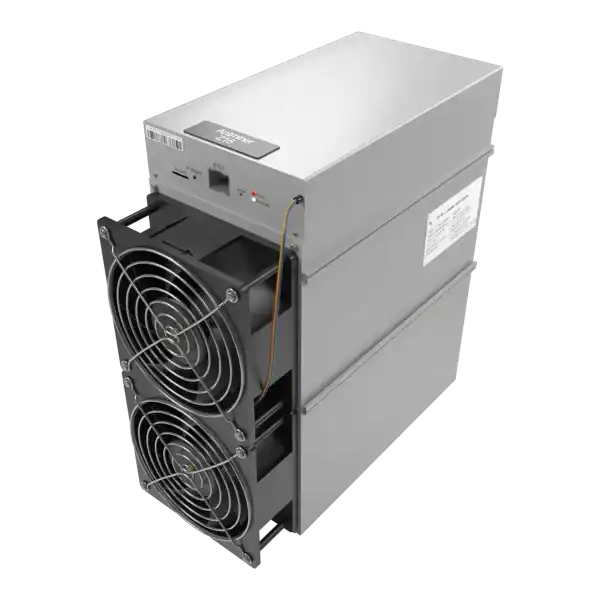

Pre-OrderFree Shipping
Hashrate
525KSOL
Efficiency
4.73W/KSOL
Power
2483W
Earns/kWh
39.9p
Bitcoin Core 0.16 getblock guide covering verbosity modes, raw blocks, transaction detail, confirmations, weight, chainwork, pruning and safe parsing.

This guide explains Bitcoin Core getblock RPC in plain English. It shows what the command does, what its result means and what it cannot prove.
Bitcoin Core getblock RPC: A pruned node may know a header but lack old block data, causing getblock retrieval to fail. Plan archive and pruned roles explicitly and distinguish absent local data from an invalid block.
A miner is checking Bitcoin Core getblock RPC. Validate the 32-byte hexadecimal block hash and choose numeric verbosity explicitly. Verify ancestry and compare chainwork across nodes during an incident instead of selecting a branch by height or timestamp alone.
Validate the 32-byte hexadecimal block hash and choose numeric verbosity explicitly. Client schemas must not assume the tx field has one type: verbosity one returns transaction IDs, while verbosity two returns objects. A caller that accepts either silently can misparse data or expose unexpectedly large responses.
Verbosity zero returns consensus serialisation as hex. Bound response size, authenticate its transport and hash the decoded header to confirm the requested identity. A successful fetch does not guarantee the block belongs to the active chain. Raw parsing should use a version-pinned library and reject trailing, truncated or excessive data.
Positive confirmations describe active-chain depth at query time, while minus one means the block is not on the active chain. Record best-block context with the response because a reorganisation can change the value. Never mark payments final from a cached block object without rechecking active ancestry.

size includes witness data, strippedsize excludes it and weight applies the BIP 141 weighting rule. Mining and fee analysis must use the correct measure and explicit units. Compare decoded transaction weights with the block total and reject arithmetic that treats ordinary bytes as virtual bytes.
chainwork is cumulative expected work encoded in hexadecimal. Previousblockhash and nextblockhash describe known active-chain adjacency where available, not an immutable global sequence. Verify ancestry and compare chainwork across nodes during an incident instead of selecting a branch by height or timestamp alone.
A pruned node may know a header but lack old block data, causing getblock retrieval to fail. Plan archive and pruned roles explicitly and distinguish absent local data from an invalid block. Do not trigger broad redownloads automatically because one historical RPC request lacks stored bytes.
Operators test the command on a non-production node first. They check a normal reply, an invalid request, a timeout and a restart. This shows what the response means and prevents one local result from being mistaken for a network-wide outcome.
Bitcoin Core getblock RPC: A pruned node may know a header but lack old block data, causing getblock retrieval to fail.
Validate the 32-byte hexadecimal block hash and choose numeric verbosity explicitly.
Verbosity zero returns consensus serialisation as hex. Bound response size, authenticate its transport and hash the decoded header to confirm the requested identity.
Positive confirmations describe active-chain depth at query time, while minus one means the block is not on the active chain.
getblock is a layered inspection API whose shape and meaning depend on verbosity and current chain state. Reliable use validates identity, membership, weight and ancestry while handling pruning and reorganisations explicitly.
Check the current specification status and the documentation for the exact implementation you operate before moving production funds or changing a mining node.




Bitcoin Core waitfornewblock RPC made simple. See what the feature does, where its limits sit and which checks node or wallet operators should make.

Bitcoin Core waitforblockheight guide covering at-least height waits, timeout returns, response checks, reorganisations, client limits and reliable automation.
Bitcoin Core waitforblock RPC made simple. See what the feature does, where its limits sit and which checks node or wallet operators should make.

Join the ASIC Mining Discussion
Members can read and join the discussion
Log in to read comments from other miners. Create a free account if you would like to ask a question or share your experience.
Membership helps us protect the discussion from spam and keep answers useful.