
Pre-order
Overall ranking

Equihash
·
ZEC
Overall rank#1of 100AvailableAll: #2 / 831
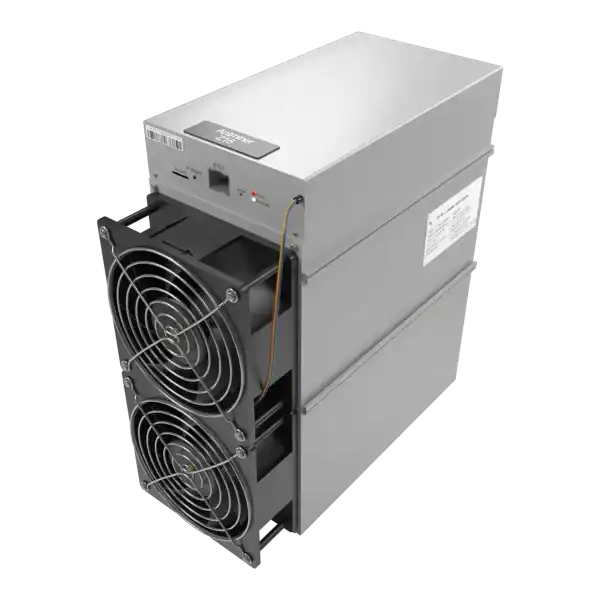

Pre-OrderFree Shipping
Hashrate
525KSOL
Efficiency
4.73W/KSOL
Power
2483W
Earns/kWh
39.8p
Bitcoin Core getbestblockhash RPC made simple. See what the feature does, where its limits sit and which checks node or wallet operators should make.
This guide explains Bitcoin Core getbestblockhash RPC in plain English. It shows what the command does, what its result means and what it cannot prove.
Bitcoin Core getbestblockhash RPC: Best chain means the node’s highest-work valid chain under its rules, not whichever branch has more headers.
A miner is checking Bitcoin Core getbestblockhash RPC. Compare chainwork and validation state when diagnosing divergence. If a new tip does not descend from the prior observation, measure the fork point and affected confirmations.
The result is a 32-byte block hash encoded as hexadecimal. Validate format, then query the block header and blockchain information for height, time, confirmations, chainwork and initial-download state. A syntactically valid tip can be stale, on an unexpected network or behind a partition.
Best chain means the node’s highest-work valid chain under its rules, not whichever branch has more headers. Compare chainwork and validation state when diagnosing divergence. Avoid alert messages that teach operators to choose the numerically tallest branch without consensus verification.
Store a bounded sequence of tip hash, previous hash, height and observation time. If a new tip does not descend from the prior observation, measure the fork point and affected confirmations. A one-block change between polls can be normal progress; reorg detection requires ancestry, not simple inequality.

Compare independent nodes with compatible versions, networks and validation rules. Temporary tip differences can reflect propagation latency, while persistent differences may indicate isolation or failure. Alert on duration, chainwork gap and last-block age rather than requiring every poll to return an identical hash.
The RPC is cheap but excessive synchronous polling across fleets adds noise and can hide meaningful state transitions. Use a measured interval, jitter and timeouts, and supplement polling with block notifications where reliable. Record missing responses distinctly from an unchanged tip.
A compromised RPC endpoint can report a fabricated hash. Use authenticated protected channels and verify network identity, genesis and chainwork from multiple nodes. Public third-party APIs can provide context but should not become the single authority for mining or withdrawal decisions.
Operators test the command on a non-production node first. They check a normal reply, an invalid request, a timeout and a restart. This shows what the response means and prevents one local result from being mistaken for a network-wide outcome.
Bitcoin Core getbestblockhash RPC: Best chain means the node’s highest-work valid chain under its rules, not whichever branch has more headers.
The result is a 32-byte block hash encoded as hexadecimal. Validate format, then query the block header and blockchain information for height, time, confirmations, chainwork and initial-download state.
Best chain means the node’s highest-work valid chain under its rules, not whichever branch has more headers.
Store a bounded sequence of tip hash, previous hash, height and observation time.
getbestblockhash supplies the essential identity of a node’s current tip, but health requires context. Reliable monitoring adds chainwork, freshness, ancestry and independent-node comparison before acting on that hash.
Check the current specification status and the documentation for the exact implementation you operate before moving production funds or changing a mining node.
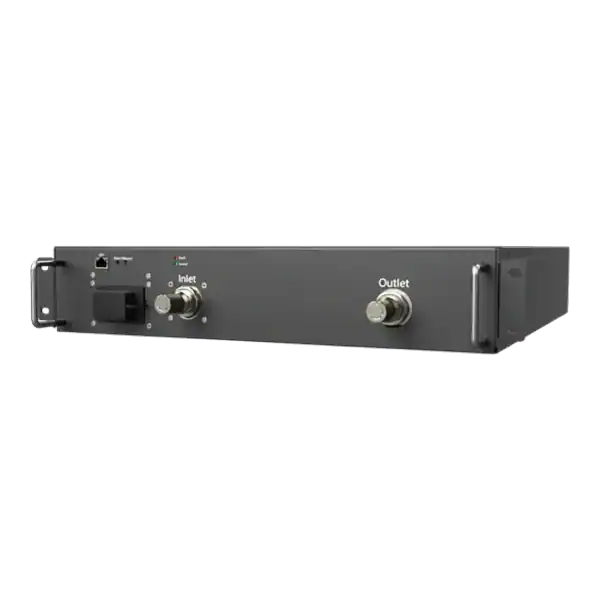
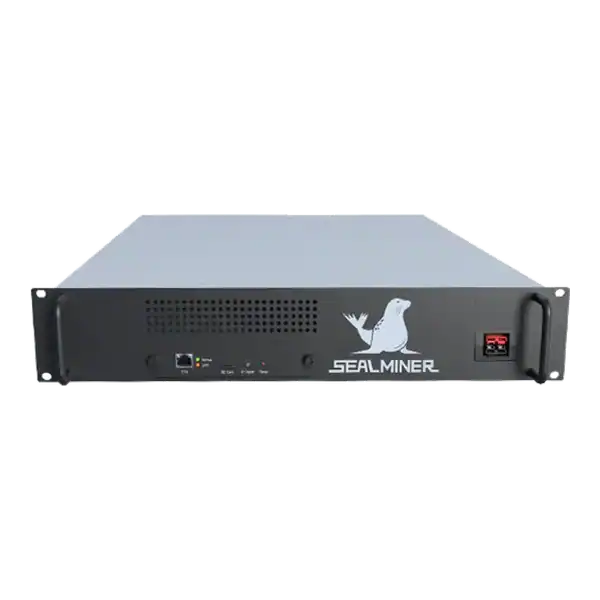

Bitcoin Core waitfornewblock RPC made simple. See what the feature does, where its limits sit and which checks node or wallet operators should make.
Bitcoin Core waitforblockheight guide covering at-least height waits, timeout returns, response checks, reorganisations, client limits and reliable automation.
Bitcoin Core waitforblock RPC made simple. See what the feature does, where its limits sit and which checks node or wallet operators should make.

Join the ASIC Mining Discussion
Members can read and join the discussion
Log in to read comments from other miners. Create a free account if you would like to ask a question or share your experience.
Membership helps us protect the discussion from spam and keep answers useful.