
Pre-order
Overall ranking

Equihash
·
ZEC
Overall rank#1of 100AvailableAll: #2 / 831
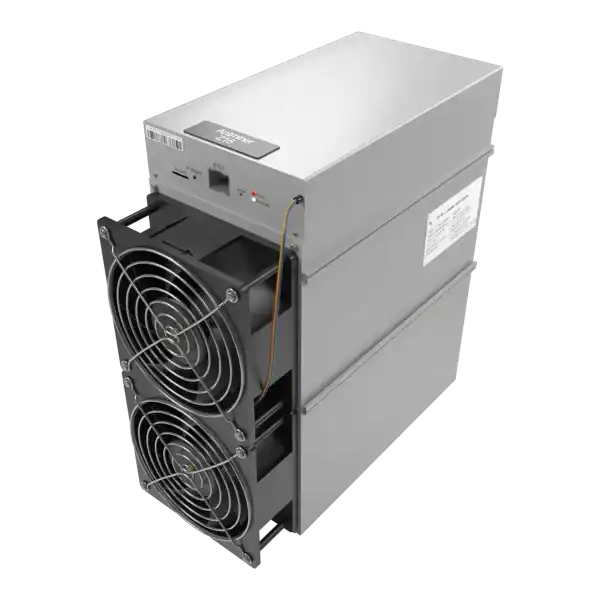

Pre-OrderFree Shipping
Hashrate
525KSOL
Efficiency
4.73W/KSOL
Power
2483W
Earns/kWh
39.8p
Bitcoin Core 0.16 getbalance guide covering omitted versus account modes, confirmations, watch-only funds, spendability, conflicts and reconciliation.
This guide explains Bitcoin Core getbalance RPC in plain English. It shows what the command does, what its result means and what it cannot prove.
Bitcoin Core getbalance RPC: Calling with no account returns total currently available wallet balance. Passing empty string requests the deprecated default account calculation, while star means all account-labelled keys.
A miner is checking Bitcoin Core getbalance RPC. Record wallet, version, chain tip and relevant spendability settings with any operational snapshot. API wrappers must preserve argument omission rather than serialise absent input as an empty string.
Calling with no account returns total currently available wallet balance. Passing empty string requests the deprecated default account calculation, while star means all account-labelled keys. These paths are not interchangeable. API wrappers must preserve argument omission rather than serialise absent input as an empty string.
The default result is what the wallet considers currently spendable under settings such as zero-confirmation change policy. It is not total received, confirmed reserves, accounting equity or proof of liquidity on another node. Record wallet, version, chain tip and relevant spendability settings with any operational snapshot.
minconf defaults to one and filters the historical calculation. Zero includes unconfirmed activity and increases replacement and conflict risk. For settlement, use a written confirmation policy and track individual transactions, maturity and reorganisation rather than relying on one aggregate that changes as the chain advances.

include_watchonly defaults false. Enabling it can add funds the wallet cannot sign for, so label the resulting figure as monitored rather than spendable. Check solvability and signer availability per UTXO. Never feed a watch-inclusive total into automated withdrawal capacity.
The documentation advises avoiding the account argument because conflicting pending transactions such as fee bumps can count spends twice and produce misleading or negative values. Preserve this warning in legacy integration tests and migrate accounting to transaction and UTXO-level records instead of attempting to smooth negative results.
The returned amount is BTC. Convert with fixed decimal arithmetic to integer satoshis at the boundary, reject excess precision and label the unit. Compare aggregates from listunspent or wallet transaction state using exact integers, knowing each surface can answer a different question.
Create confirmed, unconfirmed, conflicted, replaced, watch-only and immature fixtures on regtest. Compare omitted, empty, star and named-account calls across minconf values. Reorganise the chain and confirm the application neither double-counts replacements nor treats monitored funds as spendable reserves.
Bitcoin Core getbalance RPC: Calling with no account returns total currently available wallet balance. Passing empty string requests the deprecated default account calculation, while star means all account-labelled keys.
Calling with no account returns total currently available wallet balance. Passing empty string requests the deprecated default account calculation, while star means all account-labelled keys.
The default result is what the wallet considers currently spendable under settings such as zero-confirmation change policy.
minconf defaults to one and filters the historical calculation. Zero includes unconfirmed activity and increases replacement and conflict risk.
getbalance can answer a narrow wallet-availability question, but its deprecated account modes are explicitly unreliable. Safe systems define confirmation and spendability, preserve argument semantics and reconcile exact UTXOs outside the account ledger.
Check the current specification status and the documentation for the exact implementation you operate before moving production funds or changing a mining node.
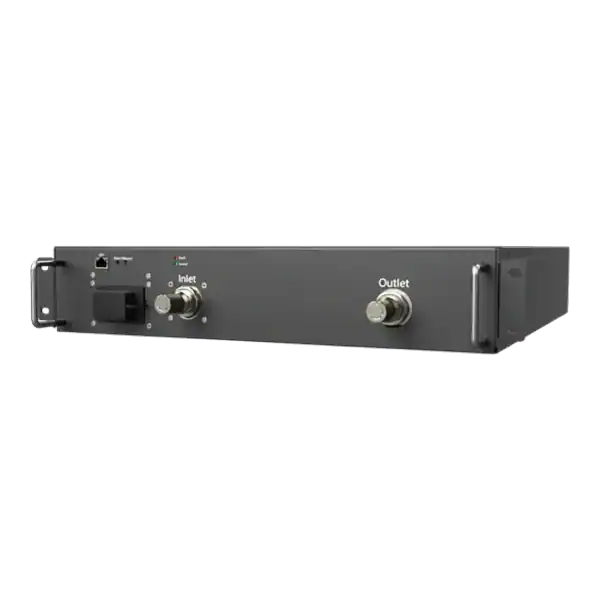
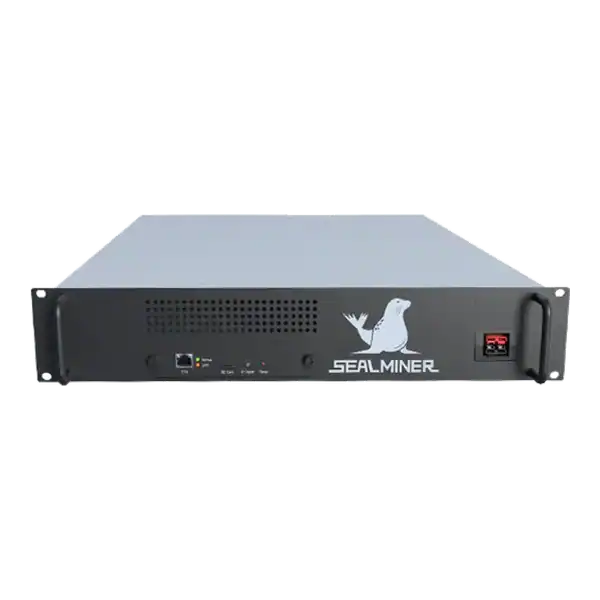

Bitcoin Core 23 restorewallet guide covering backup paths, wallet naming, startup persistence, warnings, rescans, duplicate restores and recovery verification.
Bitcoin Core 0.21 upgradewallet guide covering explicit versions, generated keys, backup rotation, result fields, compatibility testing and rollback planning.
Bitcoin Core 0.19 setwalletflag guide covering avoid_reuse, rescanning, used-address classification, coin selection, warnings, rollback and wallet safety.

Join the ASIC Mining Discussion
Members can read and join the discussion
Log in to read comments from other miners. Create a free account if you would like to ask a question or share your experience.
Membership helps us protect the discussion from spam and keep answers useful.