

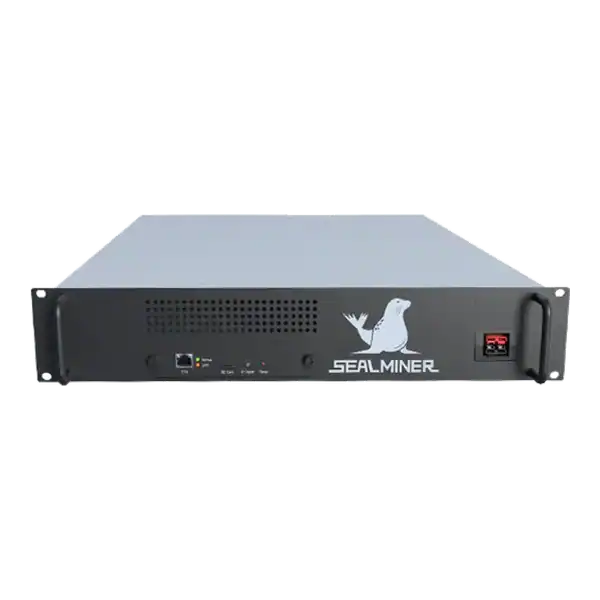
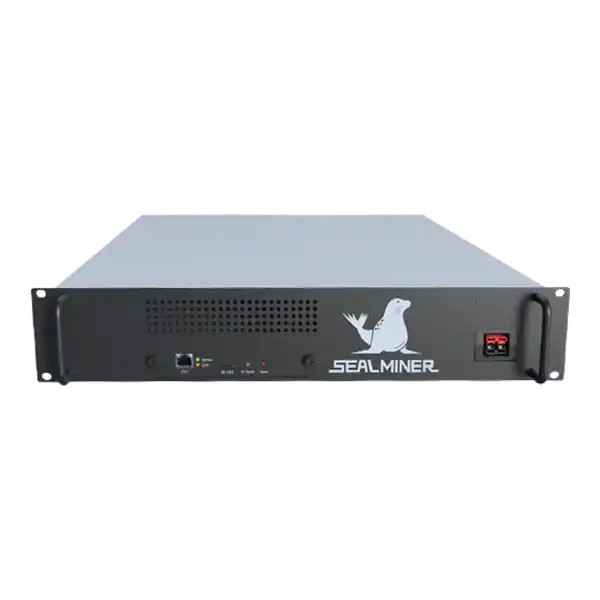
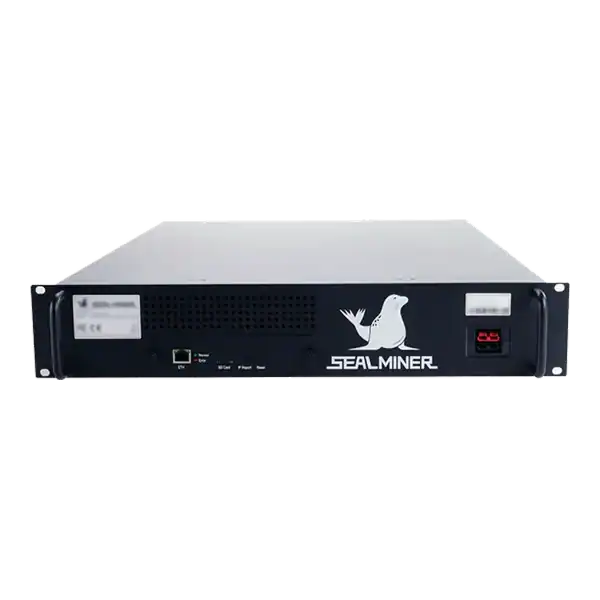
Sealminer A4 Ultra Hydro
Bitcoin & Bitcoin Cash ASIC Miner

886TH
HASHRATE
9.45W/TH
EFFICIENCY
8373W
POWER
£830.06
EST. MONTHLY
NO PAYBACK
EST. ROI
Bitcoin Core 29.1 guide covering legacy sigop policy, lower relay fee defaults, logging quotas, dumptxoutset type, 32-bit caps and safe rollout.

This guide explains Bitcoin Core 29.1 release in plain English. It summarises the important changes, who they affect and what should be checked before an upgrade.
Bitcoin Core 29.1 release: Standard policy caps potentially executed legacy sigops at 2,500 across previous outputs, input scripts and P2SH redeem scripts.
A node operator is checking Bitcoin Core 29.1 release. This prepares policy for possible future BIP 54 deployment. Measure remote propagation and avoid promising service from local policy alone.
Standard policy caps potentially executed legacy sigops at 2,500 across previous outputs, input scripts and P2SH redeem scripts. This prepares policy for possible future BIP 54 deployment.
blockmintxfee becomes 1 satoshi per kvB; minrelaytxfee and incrementalrelayfee become 100 satoshis per kvB. Wallet and dust fee settings remain separate.
Low-fee acceptance on one upgraded node does not guarantee widespread relay or confirmation. Measure remote propagation and avoid promising service from local policy alone.

Each source location gets 1 MiB per hour for unconditional logs. A suppression marker appears while any source is limited, so alerting must recognise it.
dumptxoutset now requires a type parameter; latest preserves the earlier behaviour. Update scripts and test explicit failures rather than relying on omitted defaults.
On 32-bit systems maxmempool is capped at 500 MB and dbcache at 1 GiB. Validate effective values and capacity alarms after restart.
Node operators test the release on a representative non-production system. They check startup, normal operation, failure handling and restart before changing a live node. Connected wallets, monitoring and mining services should also be checked.
Bitcoin Core 29.1 release: Standard policy caps potentially executed legacy sigops at 2,500 across previous outputs, input scripts and P2SH redeem scripts.
Standard policy caps potentially executed legacy sigops at 2,500 across previous outputs, input scripts and P2SH redeem scripts.
blockmintxfee becomes 1 satoshi per kvB. Minrelaytxfee and incrementalrelayfee become 100 satoshis per kvB.
Low-fee acceptance on one upgraded node does not guarantee widespread relay or confirmation.
Bitcoin Core 29.1 changes policy, observability and RPC expectations that downstream services can notice immediately. Safe operators test all three and keep local acceptance distinct from network propagation.
Check the current specification status and the documentation for the exact implementation you operate before moving production funds or changing a mining node.


Bitcoin Core 29.4 guide covering repeated chainstate rewrites, regular compaction, LevelDB seek compaction, transaction-data lifetime and wallet sizing fixes.

Bitcoin Core 31.1 guide covering the private-broadcast IP leak fix, proxy reconnections, chainstate compaction, BDB migration and settings-write safety.
Bitcoin Core 30.3 guide covering excessive chainstate I/O, regular compaction, wallet bump and coin-selection fixes, PSBT, MuSig2 and build maintenance.
Join the ASIC Mining Discussion
Members can read and join the discussion
Log in to read comments from other miners. Create a free account if you would like to ask a question or share your experience.
Membership helps us protect the discussion from spam and keep answers useful.