

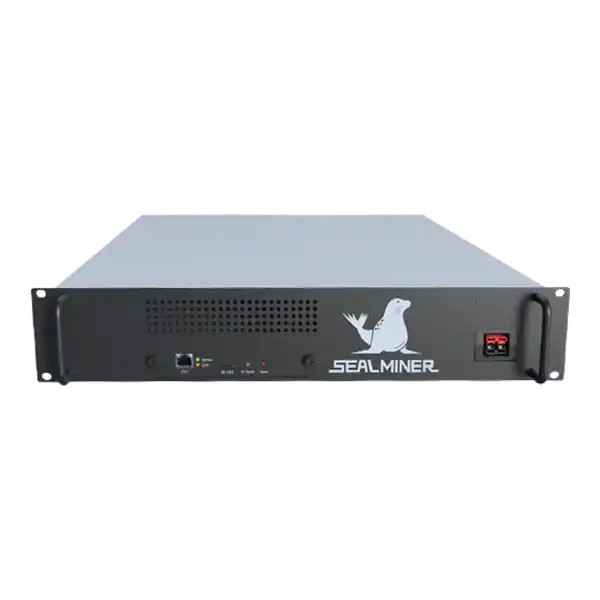
Sealminer DL1 Hydro
Litecoin & Dogecoin ASIC Miner

52.5GH
HASHRATE
149W/GH
EFFICIENCY
7823W
POWER
£712.49
EST. MONTHLY
NO PAYBACK
EST. ROI
BIP 353 guide to DNS payment instructions, DNSSEC validation, BIP21 records, aliases, international domains, wallet preference and privacy risks.
This guide explains BIP 353 DNS Payment Instructions in plain English. It covers the problem behind the BIP, why it matters and whether the proposal is part of Bitcoin today.
BIP 353 DNS Payment Instructions: BIP 353 is Complete, Specification, at the Applications layer. It standardises discovery of payment instructions and does not make a DNS name a Bitcoin consensus identity.
A node operator is checking BIP 353 DNS Payment Instructions. The result is a single TXT resource record whose character strings are joined before parsing.
BIP 353 is Complete, Specification, at the Applications layer. It standardises discovery of payment instructions and does not make a DNS name a Bitcoin consensus identity.
For an identifier such as user at domain, the lookup is formed beneath user._bitcoin-payment.domain. The result is a single TXT resource record whose character strings are joined before parsing.
The wallet must perform DNSSEC validation and reject unsigned, bogus or insecure answers. Ordinary encrypted DNS transport alone authenticates neither the zone owner nor the returned record.

The TXT data carries a BIP21 URI. Wallets should parse only supported parameters, honour required-parameter semantics, and present the final payment method and amount for confirmation.
CNAME and DNAME indirection can be followed only when the alias records and the final answer are all validly DNSSEC-signed. Loop, depth and cross-zone failures need explicit handling.
When an explicit address, public key or direct BIP21 URI is already supplied, wallets must prefer that direct instruction. DNS discovery should not silently replace a more explicit destination.
International domain names are handled in their ASCII punycode form. Lookups can disclose whom a payer is trying to pay, and predictable labels can permit enumeration, so resolvers, caches and publishing practices need privacy review. Build a revision-pinned evidence pack on an isolated node, wallet or protocol harness.
BIP 353 DNS Payment Instructions: BIP 353 is Complete, Specification, at the Applications layer. It standardises discovery of payment instructions and does not make a DNS name a Bitcoin consensus identity.
BIP 353 is Complete, Specification, at the Applications layer. It standardises discovery of payment instructions and does not make a DNS name a Bitcoin consensus identity.
For an identifier such as user at domain, the lookup is formed beneath user._bitcoin-payment.domain.
The wallet must perform DNSSEC validation and reject unsigned, bogus or insecure answers.
BIP 353 can make Bitcoin payment instructions easier to share, but its trust boundary is precise: a successfully DNSSEC-validated record supplies authenticated discovery, not proof of the recipient’s real-world identity or the payer’s intent.
Check the current specification status and the documentation for the exact implementation you operate before moving production funds or changing a mining node.

BIP 441 guide to the Draft tapleaf 0xC2 script-restoration proposal, varops, stack limits, unsigned arithmetic, restored opcodes and safety testing.
BIP 440 guide to the Draft transaction-wide variable-operation budget, weight scaling, opcode cost classes, benchmarks, validation and soft-fork status.
BIP 361 guide to the Draft informational post-quantum migration and legacy-signature sunset proposal, phases, prerequisites, risks and readiness planning.
Join the ASIC Mining Discussion
Members can read and join the discussion
Log in to read comments from other miners. Create a free account if you would like to ask a question or share your experience.
Membership helps us protect the discussion from spam and keep answers useful.