

Antminer Z15 Pro
Zcash & Horizen ASIC Miner
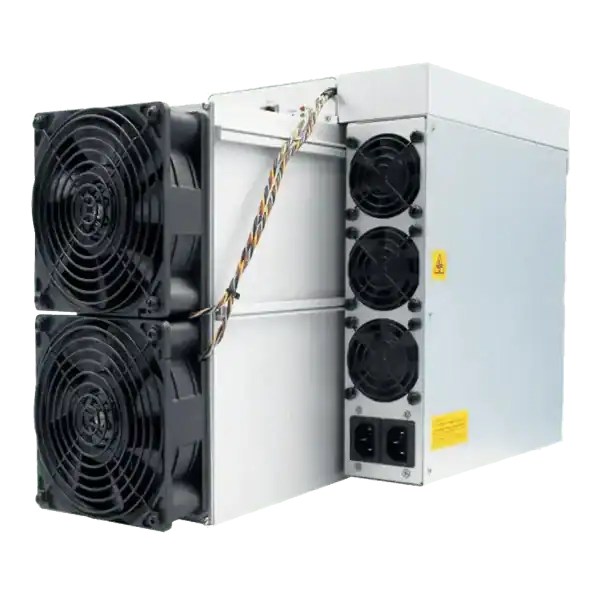

840KSOL
HASHRATE
3.3W/KSOL
EFFICIENCY
2772W
POWER
£1394.02
EST. MONTHLY
9
Months
EST. ROI
ASIC miner cooling removes a continuous heat load. Compare air, hydro and immersion systems, noise, maintenance and safe UK site requirements.
ASIC miner cooling moves the heat created by continuous electrical work away from chips, power supplies and the room. Almost all electricity entering a miner becomes heat, so a 3.5 kW machine creates roughly a 3.5 kW heat load while it runs.
Air, hydro and immersion systems move that heat in different ways. None makes it disappear. The right choice depends on the exact miner, total heat, climate, noise limit, water or fluid circuit, maintenance skill and safe route for rejecting heat outdoors.
Estimated reading time: 7 minutes
An ASIC is an electric heater that also performs mining work. ASIC miner cooling carries the heat from the chips to outside air or another useful heat sink. Fans use air, hydro miners use a water circuit and immersion systems place suitable hardware in a special non conductive fluid.
Ten miners using 3 kW each create about 30 kW of heat. Opening a door does not prove the room can remove 30 kW on a hot day. The operator must design an air or liquid path that carries the full heat load away and stops the miners safely if that path fails.
| Heat Load: | The rate of heat the cooling system must remove. |
|---|---|
| Airflow: | The volume of air moved through equipment over time. |
| Coolant: | A specified liquid carrying heat through a hydro circuit. |
| Dielectric Fluid: | A specialist electrically non conductive fluid used for immersion. |
| Heat Exchanger: | Equipment transferring heat between separate air or liquid circuits. |
The first ASIC miner cooling calculation starts with the complete electrical input. Miner power, pumps, fans and other equipment ultimately become heat within or around the site. Add each load instead of sizing from the number of machines alone.
Design for the maximum approved operating mode and a realistic summer condition. Allow for blocked filters, pump wear and equipment tolerance. A cooling system that works only on a mild test day has not proved year round capacity.
An air cooled miner pulls room air through heat sinks and exhausts hotter air. A good layout separates cool intake from hot exhaust so the same heated air does not return to the miner. Short, open paths reduce fan pressure and noise problems.
Air cooling is familiar and easy to inspect, but it moves large volumes of dusty, noisy air. Filters add resistance and need maintenance. Ducts, bends and grilles can reduce flow, so temperatures and fan behaviour must be checked after installation.
A hydro ASIC transfers chip heat into a specified water circuit. Pumps move coolant to a dry cooler or another heat exchanger, where heat leaves the loop. The miner and facility circuit may need separation to protect the manufacturer's pressure and water quality limits.
Flow, inlet temperature, pressure, coolant chemistry and cleanliness matter. Too little flow can overheat equipment, while excessive pressure can damage seals or channels. Use the exact manufacturer specification rather than a generic liquid cooling assumption.

Immersion cooling places compatible miner components in a dielectric fluid. Heat moves from the boards into the fluid, then through circulation and a heat exchanger. Fans are often removed, which reduces tonal fan noise and dust at the boards.
The tank, fluid, seals, cables, pumps and heat rejection system form one engineered installation. Fluid compatibility, fire properties, handling and disposal need evidence from suppliers. Never place live electronics in an unidentified liquid.
Air systems normally keep high speed miner fans and add extraction noise. Duct silencers can help but also add resistance. Hydro and immersion can remove miner fan noise, yet pumps, dry coolers and external fans still create sound.
Liquid systems may use floor space for tanks, manifolds, pumps and heat exchangers. Air systems need intake and exhaust openings. Compare the complete site, not only the miner enclosure, and consider neighbours and maintenance access.
Read chip, board and power supply data where available, but also measure inlet air or coolant and the temperature change across the system. Stable temperature does not prove enough flow if one branch is blocked or one sensor is inaccurate.
Set warnings and a controlled stop for high temperature, low flow, pump failure, fan failure or loss of heat rejection. Test the stop under safe conditions. Restart only after the cause is understood, because repeated thermal cycling can add stress.
For air cooling, inspect filters, fans, heat sinks, ducts and exhaust paths. Remove dust using a safe method approved for the equipment. Record temperature and fan trends so gradual restriction can be seen before a shutdown.
For hydro and immersion, check fluid level, quality, leaks, pumps, valves, strainers, hoses and heat exchangers. Sampling and replacement intervals depend on the specified fluid and materials. Keep contamination controls and spill procedures with the system.
Cooling does not reduce the need for correct electrical supply, protection, earthing, isolation and cable management. Liquid near electrical equipment adds leak and maintenance risks that must be controlled by the design.
Use competent people for fixed electrical and engineered liquid work. Mark isolation points and keep access clear. A system should fail safely after loss of power, flow or control rather than relying on someone noticing a dashboard alarm.
Mining heat can warm water, rooms, greenhouses or another process when temperatures and demand align. Heat reuse can improve the site result, but the customer for heat may disappear while mining continues.
Keep a full safe rejection route for periods with no useful demand. Value only heat that genuinely replaces another purchased source. Do not count the same electricity saving twice in the profitability model.
Air often suits a small, clean and well ventilated setup. Hydro can suit compatible factory built miners where a controlled water circuit is available. Immersion can suit dense installations with the skills and capital to manage fluid and tanks.
Make the choice from heat load, manufacturer limits, noise, climate, maintenance, failure response and complete cost. Test one representative miner and one failure route before expanding ASIC miner cooling across a fleet.
ASIC miner cooling should be tested from the chip or board reading through to the final outdoor heat rejection point.
A sound ASIC miner cooling record includes miner power, auxiliary power, inlet condition, outlet condition and the alarm state.
Inspect ASIC miner cooling after filters, pipes or control settings change because small restrictions can alter every downstream temperature.
Before scaling ASIC miner cooling, test one representative fault and confirm that the affected miners stop without unsafe heat or repeated restart.
Good ASIC miner cooling keeps enough capacity for the hottest realistic day rather than relying on average weather.
Manufacturer temperature, flow, pressure and fluid requirements are model specific and can change between variants.
Nearly all miner electricity becomes heat, but auxiliary pumps, fans and chillers add their own load.
Heat reuse value depends on a real simultaneous demand and does not remove the need for emergency heat rejection.
| Method | Main Site Requirement |
|---|---|
| Air | Clean separated airflow and a clear outdoor exhaust path |
| Hydro | Specified flow, pressure, water quality and heat exchanger |
| Immersion | Compatible dielectric fluid, tank, circulation and handling |
| All Methods | Safe electrical supply, monitoring and tested shutdown |
A table is a starting point, not a promise. Verify current official sources and apply each detail to the decision you are actually making.
Almost all electrical input becomes heat, so a miner drawing 3 kW creates roughly a 3 kW heat load while running.
It can be when clean intake and hot exhaust paths can handle the full load in the worst expected weather.
Use only the water quality, additives, flow and pressure specified for the exact miner and cooling circuit.
It can remove miner fan noise, but pumps, dry coolers and external fans still create sound.
Yes, when a real heat demand and suitable temperature exist, but a safe backup rejection route is still needed.
ASIC miner cooling is a complete heat path, not a fan setting. Calculate the load, choose a method supported by the exact hardware, control intake or fluid conditions and test safe shutdown. Air, hydro and immersion can all work when the site can maintain and reject the full heat load.
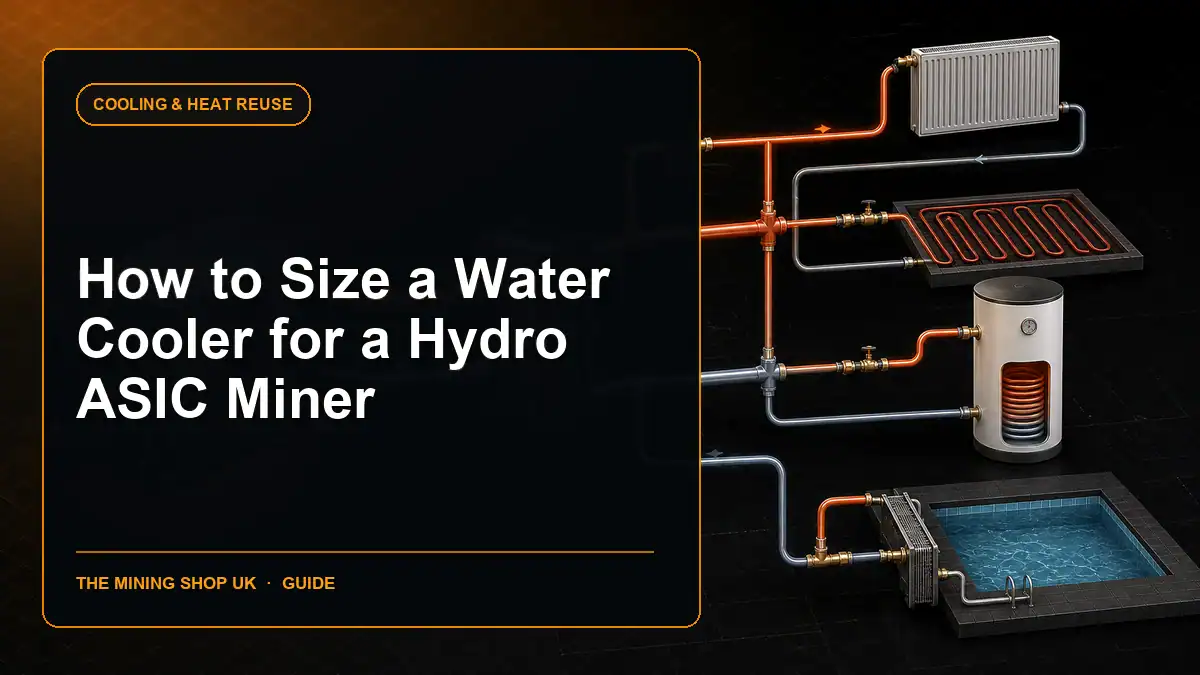
Calculate hydro ASIC water cooler sizing from measured kW, coolant flow, temperature rise, ambient design, pump head, redundancy and safe rejection margin.
Understand Immersion Cooled ASIC Miners for UK. Plan electrical load, airflow, heat, noise and cooling for a UK mining site before choosing equipment.
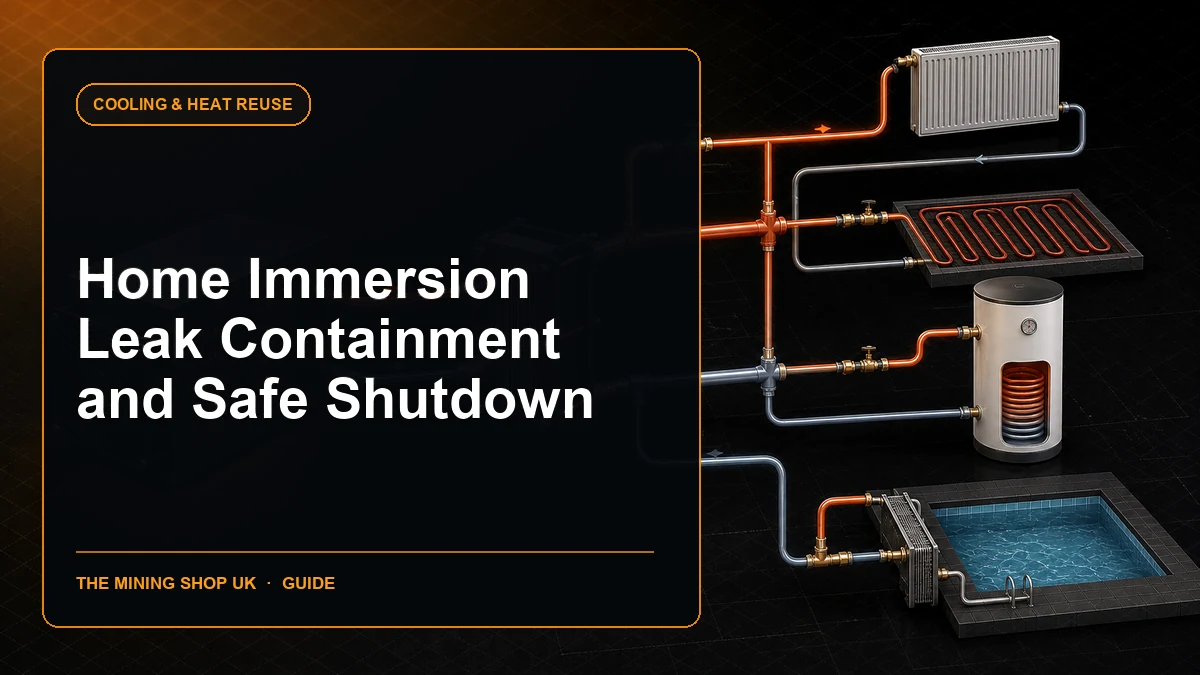
Plan home immersion leak containment through tank siting, secondary containment, sensors, isolation, fluid handling, heat rejection and emergency response.
Join the ASIC Mining Discussion
Members can read and join the discussion
Log in to read comments from other miners. Create a free account if you would like to ask a question or share your experience.
Membership helps us protect the discussion from spam and keep answers useful.