

Antminer Z15 Pro
Zcash & Horizen ASIC Miner
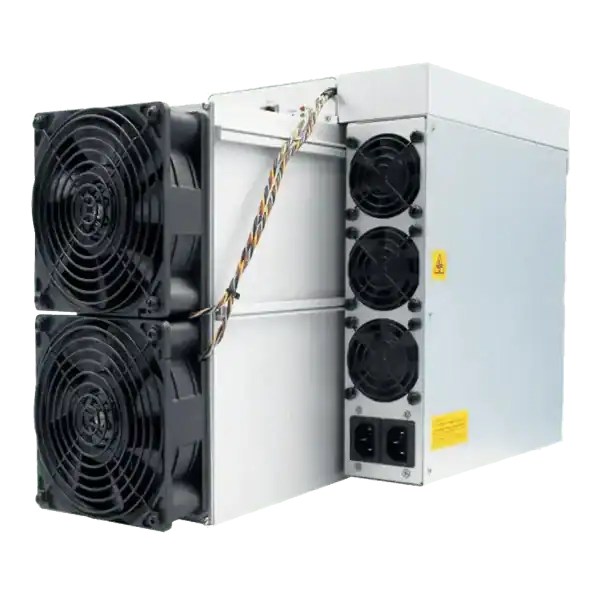

840KSOL
HASHRATE
3.3W/KSOL
EFFICIENCY
2772W
POWER
£1385.48
EST. MONTHLY
9
Months
EST. ROI
UK guide to ASIC hashrate and efficiency: hardware compatibility, operating requirements, costs, risks and practical checks before mining.
UK guide to ASIC hashrate and efficiency: hardware compatibility, operating requirements, costs, risks and practical checks before mining.
ASIC Hashrate and Efficiency: What Buyers Should Compare focuses on the practical decision behind ASIC hashrate and efficiency, including hardware, power, safety, cost and the checks a UK operator should complete.
ASIC hashrate and efficiency: Treat hashrate as the speedometer for your ASIC miner. It measures how quickly your device solves complex problems to validate cryptocurrency transactions and earn rewards.
A miner is checking ASIC hashrate and efficiency. For example, an ASIC miner with 100 TH/s can perform 100 trillion calculations per second. If Miner A operates at 90 TH/s with 3,000 watts of power and Miner B operates at 100 TH/s with the same power, Miner B is more efficient.
When it comes to cryptocurrency mining, the term hashrate is essential for understanding your miner’s performance. If you are new to mining or a seasoned expert, learning about ASIC miner efficiency, the key phrase we’ll focus on, can help you maximise profits, reduce costs, and improve the lifespan of your mining equipment.
For more insights and tools to enhance your mining setup, visit theminingshop.co.uk.

In this post, we’ll explain hashrate in simple terms, discuss its role in ASIC miner efficiency, and explore actionable tips to optimise your setup.
Treat hashrate as the speedometer for your ASIC miner. It measures how quickly your device solves complex problems to validate cryptocurrency transactions and earn rewards.
Hashrate refers to the computational power your miner uses to solve cryptographic puzzles. It’s measured in hashes per second (H/s), and the units include:
For example, an ASIC miner with 100 TH/s can perform 100 trillion calculations per second.

A high hashrate directly boosts your ASIC miner efficiency by increasing the chances of solving blocks and earning rewards.
Efficiency in mining comes down to balancing power consumption and output. A miner with a high hashrate relative to its energy consumption is more profitable.
Efficient miners contribute to the security and stability of the blockchain network by adding computational power, making it harder for bad actors to compromise the system.
If Miner A operates at 90 TH/s with 3,000 watts of power and Miner B operates at 100 TH/s with the same power, Miner B is more efficient. This difference impacts your profit margins over time.
Efficiency is calculated using the formula: Efficiency= Hashrate (TH/s) ÷ Power Consumption (Watts)
For example:
Heat is a major efficiency killer. Install high-performance fans, air conditioning, or even liquid cooling systems to maintain an optimal temperature.
Switching to solar or wind power can lower your electricity costs, making your operation more efficient and eco-friendly.
Dust buildup can overheat your miner, reducing efficiency. Clean your equipment regularly and ensure fans are in good condition.
Overclocking can increase your hashrate but may also lead to higher energy usage. Ensure you monitor temperature and stability when tweaking settings.
As more miners join a cryptocurrency network, the competition to solve blocks intensifies, requiring more computational power.
Efficient miners are better equipped to handle rising difficulty. Devices like the Antminer S19 Pro (110 TH/s, 29.5 W/TH) remain profitable even as challenges increase.
To maintain profitability, consider upgrading to newer ASIC miners with better efficiency ratings.
ASIC hashrate and efficiency: Treat hashrate as the speedometer for your ASIC miner. It measures how quickly your device solves complex problems to validate cryptocurrency transactions and earn rewards.
Treat hashrate as the speedometer for your ASIC miner. It measures how quickly your device solves complex problems to validate cryptocurrency transactions and earn rewards.
A high hashrate directly boosts your ASIC miner efficiency by increasing the chances of solving blocks and earning rewards.
Efficiency is calculated using the formula: Efficiency= Hashrate (TH/s) ÷ Power Consumption (Watts).
Mining networks, pool support, firmware, exchange access and hardware availability can change. Verify the current network documentation, test with a small controlled configuration and do not rely on a historical profitability figure when purchasing equipment.
Start with the real operating requirement behind ASIC hashrate and, not a headline hashrate or revenue figure. Measure wall power, heat, noise, rejected shares and uptime under the conditions in which the miner will run.
Read the primary guidance used to check this topic. External references are included for verification and may be updated by their publisher.
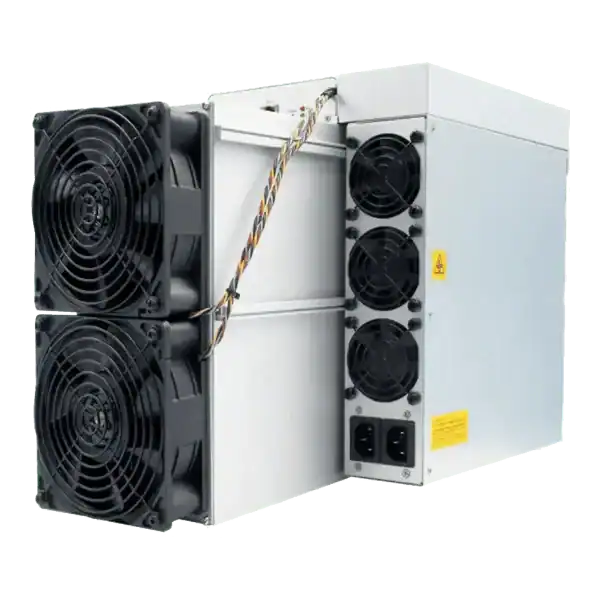
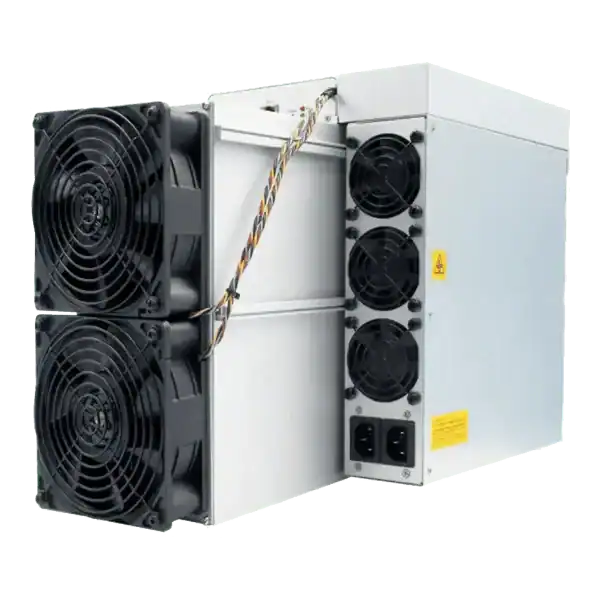
Bitcoin ASIC Compatibility made simple. Compare performance, power, cooling, noise and practical risks before choosing or operating mining hardware.
Practical guide to SEALMINER A4 review, covering efficiency and wall power. Compare costs, measured performance and site fit before buying hardware.

Unproven home ASIC launch review: assess an unproven home ASIC launch through manufacturer identity, samples, specifications, certification, firmware, delivery.
Join the ASIC Mining Discussion
Members can read and join the discussion
Log in to read comments from other miners. Create a free account if you would like to ask a question or share your experience.
Membership helps us protect the discussion from spam and keep answers useful.