Zcash Mining Guide: Equihash Hardware and Risks explains where Zcash fits in proof of work, what hardware is relevant and which facts must be checked before committing power or equipment.
TL;DR
Zcash Mining Guide: Equihash Hardware and Risks explains where Zcash fits in proof of work, what hardware is relevant and which facts must be checked before committing power or equipment.
- Confirm the current Zcash consensus rules and active mining algorithm before choosing hardware.
- Equihash compatibility does not by itself prove that a network has useful liquidity, pool support or sustainable demand.
- Use current pool, wallet, exchange and network documentation because smaller projects can change or become inactive.
- Treat revenue estimates as a comparison only and include electricity, fees, downtime and hardware resale risk.

When people ask about Zcash, they’re diving into one of the most mathematically sophisticated cryptocurrencies ever created, built on cryptographic innovations that sound like they were borrowed from a sci-fi novel. This isn’t just another privacy coin throwing around vague promises about anonymity, it’s a cryptocurrency that uses actual rocket science (okay, cryptographic science, but equally mind-bending) to achieve privacy levels that would make intelligence agencies weep with envy.
Project background
The evolution about Zcash continued with the development of Zerocash, which improved upon the original Zerocoin concept by hiding not just the sender, but also the receiver and the transaction amount. Suddenly, you could prove a transaction was valid without revealing any of the details that make Bitcoin transactions so transparent. It was like developing financial invisibility cloaks that worked.
The transition about Zcash from academic research to practical cryptocurrency involved solving numerous engineering challenges that would make most software developers question their career choices. The mathematics behind zero-knowledge proofs are so complex that implementing them securely required years of careful development and testing.
Memory requirements
When miners discuss about Zcash, they often focus on the Equihash algorithm, a mining algorithm so memory-intensive it makes other “memory-hard” algorithms look like they’re on a diet. Equihash was specifically designed to be ASIC-resistant by requiring massive amounts of memory during the mining process, theoretically keeping mining accessible to GPU miners.
The technical specifications about Zcash’s Equihash algorithm include memory requirements that initially made ASIC development extremely challenging and expensive. The algorithm uses something called the “generalized birthday problem” which sounds like a mathematical party game but is a computational puzzle that favors hardware with lots of fast memory.
Memory requirements about Zcash mining using Equihash initially required several gigabytes of RAM, making GPUs the optimal mining hardware. This created a more democratic mining environment where gamers with powerful graphics cards could compete with industrial mining operations, at least temporarily.
Technical design
The cryptographic innovation about Zcash centers around zero-knowledge proofs, specifically a type called zk-SNARKs (Zero-Knowledge Succinct Non-Interactive Arguments of Knowledge). If that sounds like something from a cyberpunk novel, it’s because the technology is legitimately futuristic and mind-bending.
zk-SNARKs about Zcash allow users to prove they know certain information without revealing what that information is. In practical terms, this means proving you have enough money to make a payment without revealing your balance, proving you received money without revealing who sent it, and proving a transaction is valid without revealing any transaction details.
The mathematical foundation about Zcash’s privacy features involves some of the most advanced cryptography available to civilian researchers. The proofs require complex mathematical operations that transform transaction data into cryptographic puzzles that can be verified without revealing the underlying information.
Implementation challenges about Zcash’s zero-knowledge proofs include the computational overhead required to generate and verify these cryptographic proofs. Creating a private transaction takes significantly more processing power than a regular Bitcoin transaction, though the privacy benefits often justify the extra computational cost.
Shielded vs. Transparent: Choose Your assessment
Transparent transactions about Zcash work exactly like Bitcoin transactions, with all details visible on the blockchain. These transactions are faster and require less computational power, making them suitable for situations where privacy isn’t a primary concern or where transparency is desired.
Shielded transactions about Zcash use the zero-knowledge proof technology to hide transaction details while still allowing the network to verify that transactions are valid. These transactions provide complete privacy but require more time and computational resources to process.
The interoperability about Zcash between shielded and transparent addresses allows for flexible privacy models. Users can receive funds transparently and then move them to shielded addresses for privacy, or start with shielded funds and selectively reveal certain transactions by moving to transparent addresses.
The Trusted Setup Ceremony: Cryptographic Theater
The setup process about Zcash involved multiple independent parties generating pieces of cryptographic “toxic waste” that, if combined, could theoretically be used to create unlimited Zcash out of thin air. The ceremony required destroying all traces of this toxic waste while proving to the community that the destruction occurred.
Ceremonial participants about Zcash included well-known figures from the cryptocurrency and technology communities who performed parts of the setup process in various creative ways, including using radioactive materials, electromagnetic fields, and even elaborate physical destruction methods to ensure the cryptographic secrets were permanently eliminated.
The trust implications about Zcash from this setup process represent both a strength and a weakness. While the ceremony was designed with multiple layers of security and transparency, the requirement for trust in the setup process differs from cryptocurrencies like Bitcoin that don’t require such initialization procedures.
The Founder's Reward: Controversy with a Purpose
The economic model about Zcash includes a “founder’s reward” that allocates 20% of mining rewards to the Zcash development team, investors, and various stakeholders during the first four years of the network’s operation. This funding mechanism was controversial but provided sustainable development funding.
Development funding about Zcash through the founder’s reward allowed for continued research and development of privacy technologies, protocol improvements, and ecosystem growth. The funding model recognised that advanced cryptographic research requires significant resources and expertise.
Community debates about Zcash’s founder’s reward centred on questions of fairness, decentralization, and the appropriate ways to fund cryptocurrency development. Critics argued that the reward concentrated too much value with the development team, while supporters pointed to the continued innovation it enabled.
The sunset provision about Zcash’s founder’s reward meant that after the first halving in 2020, all mining rewards go to miners, similar to other cryptocurrencies. This transition addressed some community concerns while ensuring that early development was adequately funded.
Privacy Performance: The Speed vs. Anonymity Trade-off
Transaction processing about Zcash reveals the inherent trade-offs between privacy and performance. Shielded transactions require significantly more computational resources to generate and verify compared to transparent transactions or typical Bitcoin transactions.
The generation time about Zcash for shielded transactions can take several minutes on typical consumer hardware, as the zero-knowledge proofs require complex mathematical calculations. This latency makes Zcash less suitable for point-of-sale transactions but perfectly adequate for most other use cases.
Verification efficiency about Zcash is much better than generation, with shielded transactions verifying relatively quickly once they’re created. This asymmetry means that while creating private transactions is computationally expensive, the network can process them efficiently once created.
Scalability considerations about Zcash include both the computational overhead of privacy features and the larger transaction sizes required for zero-knowledge proofs. These factors affect the network’s overall transaction throughput compared to simpler cryptocurrency designs.
The Regulatory Tightrope: Privacy in a Compliance World
Government perspectives about Zcash vary dramatically, with some jurisdictions embracing privacy rights while others view privacy coins as potential tools for money laundering and tax evasion. This regulatory uncertainty creates challenges for adoption and exchange listing.
Compliance challenges about Zcash include the difficulty of implementing anti-money laundering (AML) and know-your-customer (KYC) procedures when transaction details are cryptographically hidden. Some exchanges have delisted privacy coins to avoid regulatory complications.
The regulatory argument about Zcash often centers on the balance between legitimate privacy needs and law enforcement concerns. Supporters argue that financial privacy is a basic human right, while critics worry about facilitating illegal activities.
International adoption about Zcash reflects varying global attitudes toward privacy and financial surveillance. Some countries with restrictive financial systems see privacy coins as tools for economic freedom, while others view them as threats to monetary control.
Mining Evolution: From GPUs to ASICs and Beyond
The mining landscape about Zcash has evolved significantly since its launch, with the initial GPU-friendly Equihash algorithm eventually succumbing to ASIC development. This evolution mirrors the path taken by most successful proof-of-work cryptocurrencies.
Early mining about Zcash was dominated by GPU miners using graphics cards optimised for the memory-intensive Equihash algorithm. High-end gaming graphics cards and purpose-built mining rigs provided the best hash rate per dollar invested.
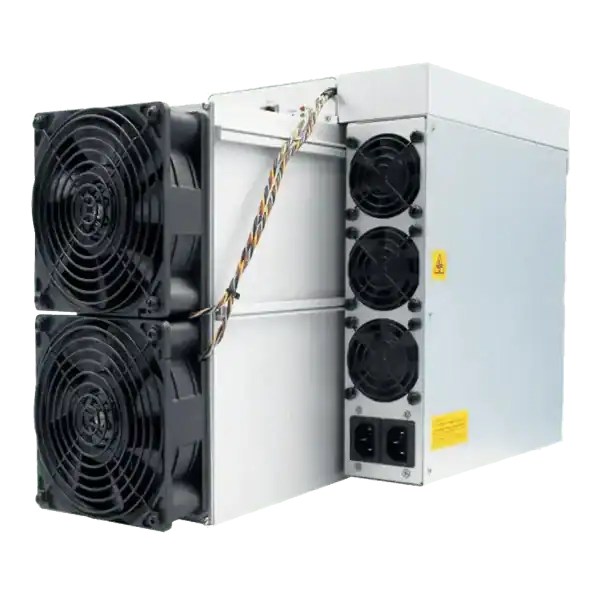
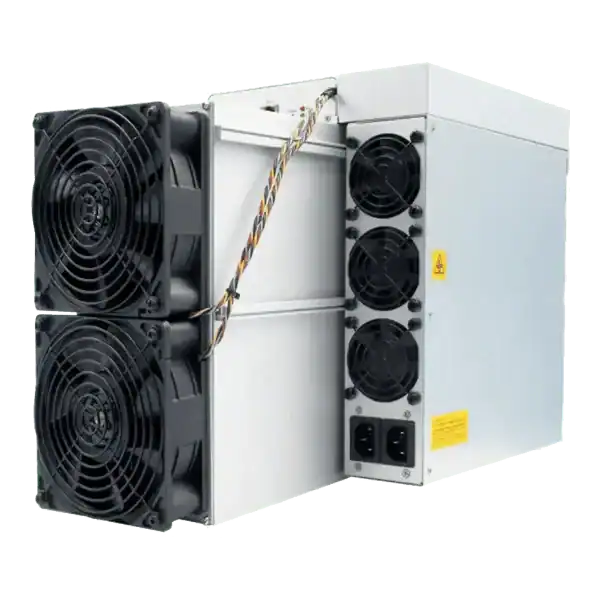
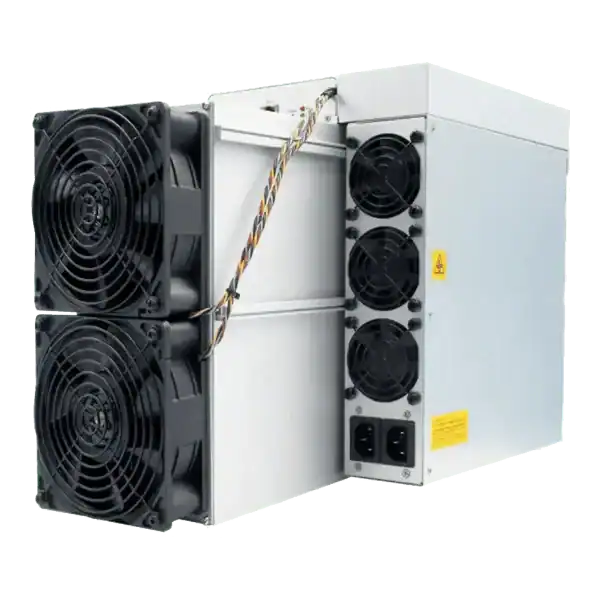
ASIC development about Zcash began several years after launch, with companies like Bitmain eventually producing specialised Equihash miners. These ASICs provided higher hash rates and better energy efficiency than GPU mining, gradually shifting the mining ecosystem toward specialised hardware.
The mining centralization about Zcash followed predictable patterns as ASIC miners became more prevalent. While ASICs improved network security through higher hash rates, they also reduced mining accessibility for ordinary users with consumer hardware.
Ecosystem Development: Building on Privacy Foundations
Application development about Zcash has focused on use cases that specifically benefit from strong privacy features, such as payroll systems, business transactions, and personal financial management. The privacy features enable applications that wouldn’t be practical with transparent cryptocurrencies.
Wallet innovation about Zcash has improved significantly over time, with modern wallets providing user-friendly interfaces for both shielded and transparent transactions. Early Zcash wallets required significant technical knowledge, but current options are accessible to non-technical users.
Integration challenges about Zcash include the technical complexity of implementing zero-knowledge proof verification in applications and services. The advanced cryptography requires specialised knowledge and careful implementation to maintain security properties.
Developer tools about Zcash have expanded to include libraries, APIs, and development frameworks that make it easier to build applications using Zcash’s privacy features. These tools help bridge the gap between cryptographic complexity and practical application development.
The Competition: Privacy Coin Wars
Market positioning about Zcash in the privacy coin space includes competition with other privacy-focused cryptocurrencies like Monero, which takes a different approach to transaction privacy. Each privacy coin represents different trade-offs between privacy, performance, and usability.
Technical comparisons about Zcash often focus on the differences between zero-knowledge proofs and other privacy technologies. While Zcash offers selective transparency through its dual address system, other privacy coins make all transactions private by default.
Adoption patterns about Zcash vary based on user priorities, with some users preferring the flexibility of choosing between private and transparent transactions, while others prefer the simplicity of default privacy for all transactions.
The philosophical differences about Zcash versus other privacy approaches reflect broader questions about user choice, default settings, and the appropriate balance between privacy and transparency in financial systems.
Smart Contracts and Programmability: The Next Frontier
Development roadmap about Zcash includes ongoing work on programmable privacy features that would enable smart contracts with built-in privacy protections. This represents a significant technical challenge given the complexity of zero-knowledge proofs.
Programmable privacy about Zcash could enable applications like private voting systems, confidential business logic, and privacy-preserving decentralized finance (DeFi) applications. These use cases require combining smart contract functionality with zero-knowledge privacy.
Technical challenges about Zcash’s smart contract development include creating programming languages and execution environments that can generate zero-knowledge proofs for arbitrary computations, not just simple transactions.
Innovation potential about Zcash in the smart contract space includes possibilities for privacy-preserving applications that aren’t feasible with current transparent smart contract platforms. This could open up entirely new categories of blockchain applications.
the development of Financial Privacy
Long-term vision about Zcash includes becoming the foundation for privacy-preserving financial applications and services that protect user data while maintaining the benefits of blockchain technology. This vision requires continued cryptographic innovation and ecosystem development.
Scalability solutions about Zcash include research into more efficient zero-knowledge proof systems and potential layer-two solutions that could improve transaction throughput while maintaining privacy properties.
Interoperability prospects about Zcash involve developing ways to use Zcash’s privacy features with other blockchain networks and traditional financial systems. Cross-chain privacy could extend Zcash’s benefits to broader cryptocurrency ecosystems.
The adoption outlook about Zcash depends on regulatory developments, technological improvements, and growing awareness of financial privacy importance. Success requires balancing privacy innovation with practical usability and regulatory compliance.
Environmental and Energy Considerations
Energy consumption about Zcash includes both the proof-of-work mining energy usage and the additional computational overhead required for zero-knowledge proof generation. The privacy features add energy costs beyond typical cryptocurrency transactions.
Efficiency improvements about Zcash have focused on optimising zero-knowledge proof generation and verification to reduce computational requirements while maintaining security properties. These optimizations make privacy features more accessible to users with limited computational resources.
Sustainability discussions about Zcash often center on whether the privacy benefits justify the additional energy consumption compared to transparent cryptocurrencies. This cost-benefit analysis varies depending on individual privacy needs and values.
Alternative consensus research about Zcash includes exploring whether privacy features could be maintained with more energy-efficient consensus mechanisms, though such changes would require careful analysis of security implications.
Practical conclusion
The fundamental value proposition about Zcash lies in demonstrating that strong financial privacy is technically achievable without sacrificing the security and verifiability that make cryptocurrencies valuable. This proof of concept has implications far beyond Zcash itself.
Whether Zcash succeeds long-term depends on continued technological development, regulatory acceptance, and growing recognition that financial privacy serves legitimate needs in both democratic and authoritarian contexts.
The investment considerations about Zcash include both technological risks associated with complex cryptography and regulatory risks associated with privacy-focused cryptocurrencies. These risks must be weighed against the potential benefits of early adoption of privacy-preserving technology.
The broader implications about Zcash for cryptocurrency development include demonstrating that fundamental innovations in cryptography can create new possibilities for digital money. Privacy isn’t just about hiding transactions, it’s about creating financial systems that respect human dignity and autonomy.
What to verify before acting
Mining networks, pool support, firmware, exchange access and hardware availability can change. Verify the current network documentation, test with a small controlled configuration and do not rely on a historical profitability figure when purchasing equipment.
Useful next steps
Authoritative references
Check current official documentation alongside this article because network rules, product ranges and legal guidance can change.