
BIP 100 Dynamic Block Size Voting Explained: Why the Proposal Closed
BIP 100 dynamic block-size voting explained as a closed hard-fork proposal with 75% miner thresholds, 5% adjustment limits and split risk.
Read article
Within Blog Posts & Articles
BIP 100 dynamic block-size voting explained as a closed hard-fork proposal with 75% miner thresholds, 5% adjustment limits and split risk.
BIP 68 relative lock time made simple. See what the proposal changes, its current status and what it means for Bitcoin users and operators.
BIP 130 Sendheaders made simple. See what the proposal changes, its current status and what it means for Bitcoin users and operators.
BIP 47 Reusable Payment Codes made simple. See what the proposal changes, its current status and what it means for Bitcoin users and operators.
BIP 67 Sorted Multisig Keys made simple. See what the proposal changes, its current status and what it means for Bitcoin users and operators.
BIP 66 strict DER signatures explained through Bitcoin encoding rules, activation and the 2015 fork caused by miners building without full validation.

BIP 65 CHECKLOCKTIMEVERIFY made simple. See what the proposal changes, its current status and what it means for Bitcoin users and operators.

Learn how Syscoin merged mining nodes works, what it can earn, the costs and security checks, and how a Syscoin node can support SHA-256 miners.
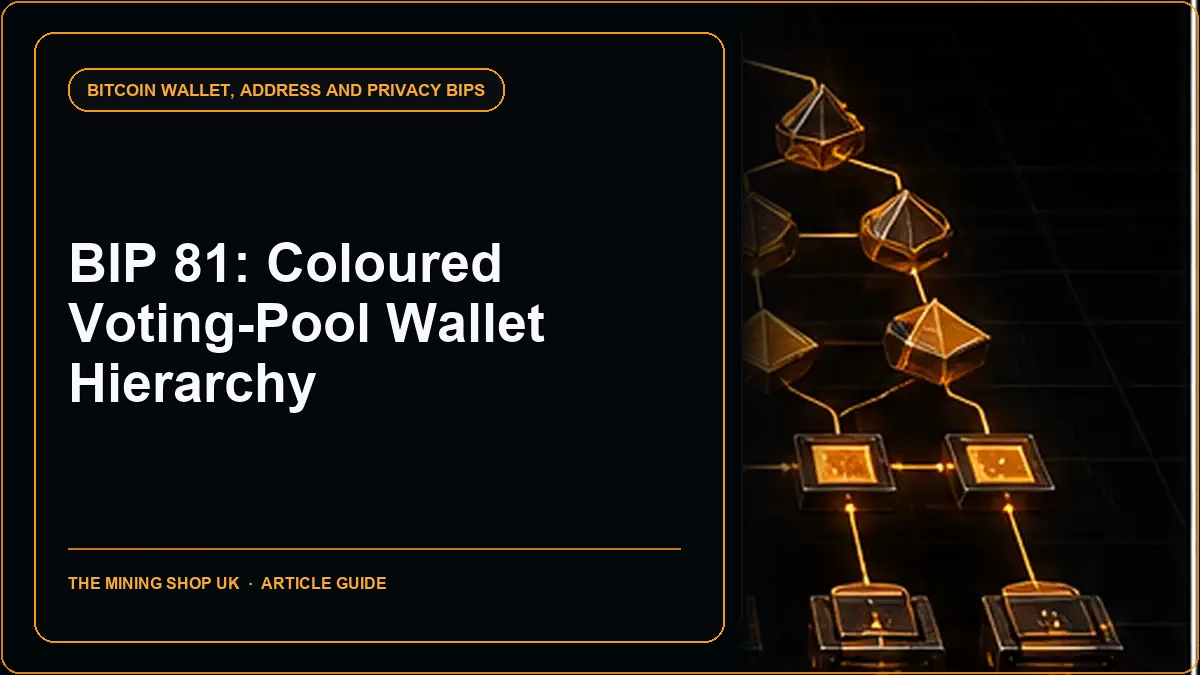
BIP 81 coloured voting-pool hierarchy explained as a closed design using five hash-derived colour levels plus series and address indexes.
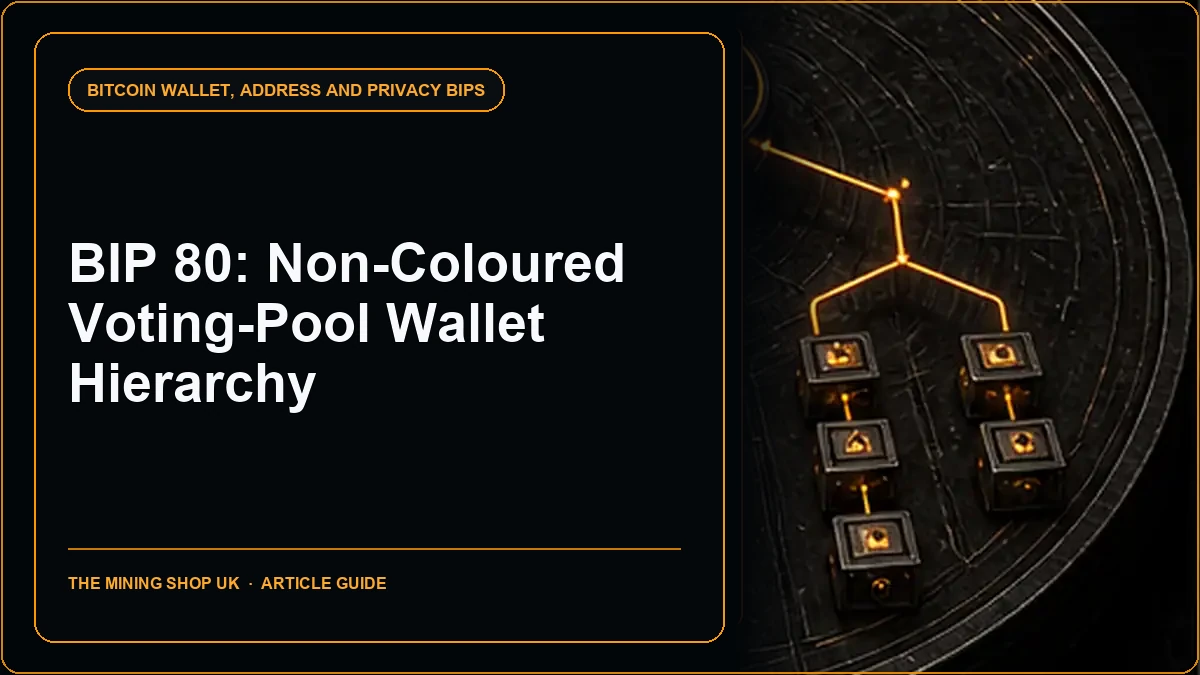
BIP 80 voting-pool wallet hierarchy explained as a closed design for coin, series and address branches in deterministic multisig cold storage.

Learn how private CKPool solo mining works, what it changes for miners, the money and safety risks, and the checks to make before using it.

BIP 61 reject messages explained: understand codes, reasons, transaction or block hashes, privacy limits and why modern nodes may not send them.