

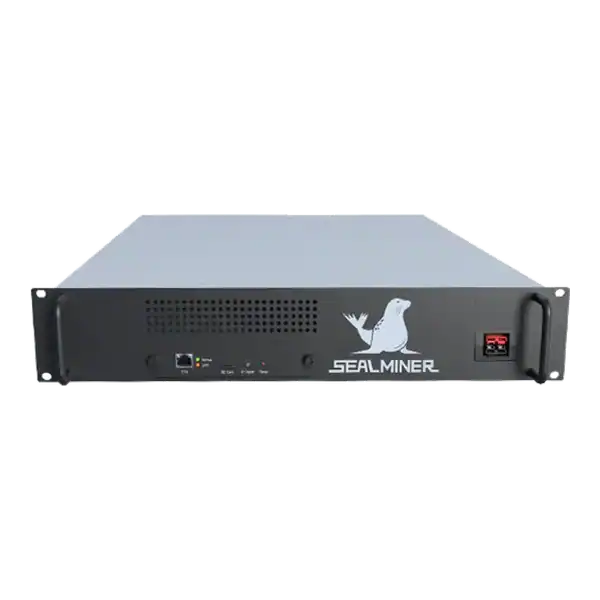
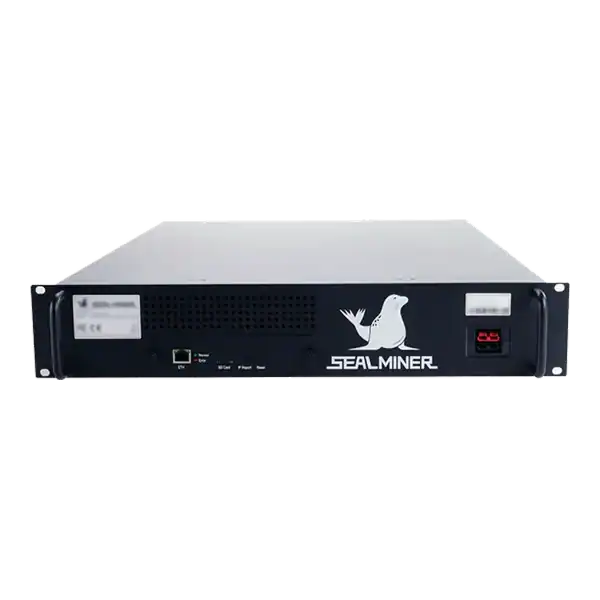
Sealminer DL1 Hydro
Litecoin & Dogecoin ASIC Miner
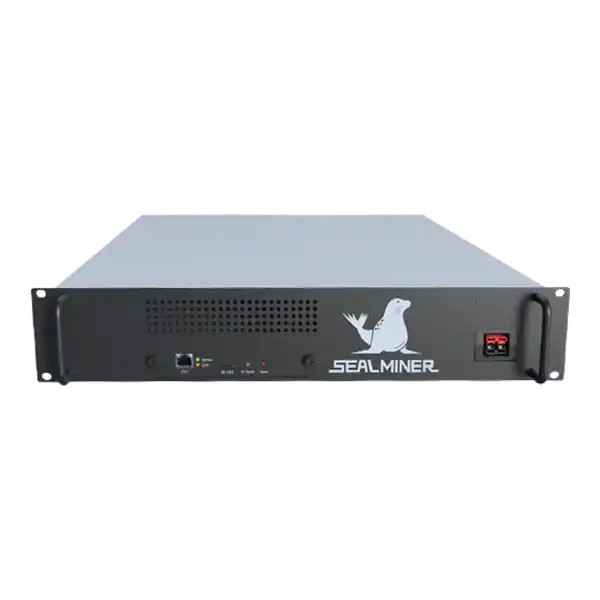

52.5GH
HASHRATE
149W/GH
EFFICIENCY
7823W
POWER
£774.73
EST. MONTHLY
NO PAYBACK
EST. ROI
Understand Pirate Chain Equihash mining, ASIC compatibility, pool checks, costs and risks before choosing hardware in the UK.
Understand Pirate Chain Equihash mining, ASIC compatibility, pool checks, costs and risks before choosing hardware in the UK.
Pirate Chain mining is an Equihash-specific decision, not a general-purpose ASIC opportunity.
Pirate Chain Equihash mining: Pirate Chain uses proof of work in the Equihash family. Equihash is not a single interchangeable setting. Networks can use different parameters, and an ASIC designed for one variant may not support another.
A miner wants to understand Pirate Chain Equihash mining. Check the pool endpoint, stratum format, fee, payout asset, minimum payout and geographic latency before deployment.
Pirate Chain, commonly identified by the ticker ARRR, is a privacy-focused cryptocurrency network. Its official explorer presents network statistics without changing the central operating question for a miner: can a specific machine submit valid work to the current chain through supported software and a suitable pool?
Privacy technology, network security and mining profitability are separate considerations. A privacy feature does not guarantee liquidity, sustainable demand or a return on electricity and equipment costs.

Pirate Chain uses proof of work in the Equihash family. Equihash is not a single interchangeable setting. Networks can use different parameters, and an ASIC designed for one variant may not support another. Confirm the active parameters from current project and pool documentation rather than relying on the word Equihash alone.
A pool supplies work to the miner, validates submitted shares and pays according to its own method and threshold. Check the pool endpoint, stratum format, fee, payout asset, minimum payout and geographic latency before deployment. A short controlled test is safer than moving a full fleet at once.
Start with the manufacturer’s algorithm and firmware documentation for the exact model. Confirm wall power, voltage, current, connector requirements, heat output and acoustic load. Equihash equipment can be difficult to repurpose if network demand or pool support falls. So resale depth and alternative compatible networks matter.
Do not treat a profitability-calculator result as a purchase quotation. Record the assumed hashrate, pool fee, reject rate, power at the wall and electricity price. Repeat the model at lower revenue and higher difficulty to understand the downside.
Pool compatibility needs a live test. Create a separate worker, confirm that accepted shares appear at the pool and compare the miner-side hashrate with the pool’s longer reporting window. A high reject rate can indicate latency, incorrect configuration, unstable tuning or a pool problem. Record the test so that a later firmware or pool change can be compared with a known working baseline.
Wallet privacy and mining operations also need separate checks. A pool payout address must be valid for the current wallet software and selected payout route. Protect seed phrases and private keys away from the miner dashboard, restrict management access to trusted networks and keep firmware administration separate from wallet custody.
Pirate Chain Equihash mining is most useful when it leads to a documented decision rather than a headline comparison.
Pirate Chain Equihash mining: Pirate Chain uses proof of work in the Equihash family. Equihash is not a single interchangeable setting.
Pirate Chain, commonly identified by the ticker ARRR, is a privacy-focused cryptocurrency network.
Pirate Chain uses proof of work in the Equihash family. Equihash is not a single interchangeable setting.
Start with the manufacturer's algorithm and firmware documentation for the exact model.
Pirate Chain uses shielded transactions and proof of work, with network information available through its official explorer. An Equihash ASIC only works when its supported parameter set matches the network and a compatible pool is available.

Salvium mining explained for beginners. Learn how RandomX CPU work, miner and staker reward shares, privacy features, tail emission and pool checks fit together.
Learn how Iron Fish FishHash pool node works, what it can earn, the costs and security checks, and how a Iron Fish node can support FishHash miners.
Understand Iron Fish FishHash mining after block 503,338, including hardware compatibility, pool evidence, wallet controls, power measurement and market risk.
Join the ASIC Mining Discussion
Members can read and join the discussion
Log in to read comments from other miners. Create a free account if you would like to ask a question or share your experience.
Membership helps us protect the discussion from spam and keep answers useful.