

Antminer Z15 Pro
Zcash & Horizen ASIC Miner
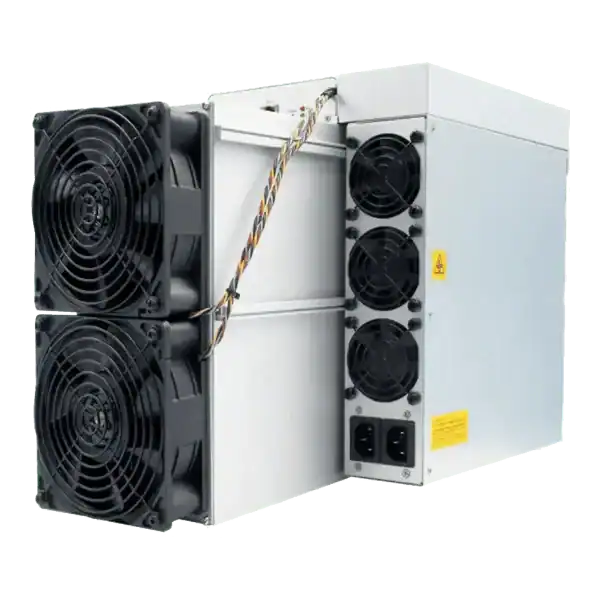

860KSOL
HASHRATE
3.3W/KSOL
EFFICIENCY
2838W
POWER
£1417.20
EST. MONTHLY
9
Months
EST. ROI
Read our UK Litecoin mining guide, covering hardware compatibility, operating requirements, costs, risks and the checks to complete before mining.
Read our UK Litecoin mining guide, covering hardware compatibility, operating requirements, costs, risks and the checks to complete before mining.
Litecoin Mining Guide: Scrypt Hardware and Pools explains where Litecoin mining guide fits in proof of work, what hardware is relevant and which facts must be checked before committing power or equipment.
Litecoin mining guide: Litecoin (LTC) is a decentralised cryptocurrency created in 2011 by Charlie Lee. Built as a "lighter" alternative to Bitcoin, Litecoin offers faster transaction times and lower fees, making it a preferred option for smaller payments.
A miner wants to understand Litecoin mining guide. Unlike Bitcoin's SHA-256, Litecoin uses Scrypt, a memory-intensive algorithm. Litecoin’s 2.5-minute block time allows for quicker transaction confirmations compared to Bitcoin's 10-minute interval.
Litecoin (LTC) is a decentralised cryptocurrency created in 2011 by Charlie Lee. Built as a “lighter” alternative to Bitcoin, Litecoin offers faster transaction times and lower fees, making it a preferred option for smaller payments.

Litecoin operates on a blockchain, a digital ledger that records all transactions. It uses the Proof-of-Work (PoW) mechanism, requiring miners to validate transactions by solving complex mathematical problems.
Litecoin’s PoW consensus ensures that transactions are legitimate. Miners compete to solve puzzles, and the first to solve it earns rewards, adding a new block to the blockchain.
Unlike Bitcoin’s SHA-256, Litecoin uses Scrypt, a memory-intensive algorithm. This approach reduces the advantage of mining farms, promoting a more decentralised system.
Litecoin’s 2.5-minute block time allows for quicker transaction confirmations compared to Bitcoin’s 10-minute interval. This feature makes Litecoin suitable for faster payments.
ASIC miners are specifically designed for Litecoin mining. While CPUs and GPUs can mine Litecoin, they are significantly less efficient compared to ASIC devices.
Purchase an ASIC miner optimised for Scrypt. Popular choices include the Antminer L3+ and the Innosilicon A4+.
Install software like CGMiner or Easy Miner to connect your hardware to the Litecoin network.
Due to increased mining difficulty, most miners join pools like LitecoinPool or F2Pool to combine resources and share rewards.
Mining consumes electricity. Choose a cost-effective energy solution to maximise profitability.
Profitability depends on:
| Feature | Litecoin | Bitcoin |
|---|---|---|
| Algorithm | Scrypt | SHA-256 |
| Block Time | 2.5 minutes | 10 minutes |
| Market Supply | 84 million coins | 21 million coins |
| Transaction Fee | Lower | Higher |
Litecoin mining guide: Litecoin (LTC) is a decentralised cryptocurrency created in 2011 by Charlie Lee.
Litecoin (LTC) is a decentralised cryptocurrency created in 2011 by Charlie Lee.
Litecoin operates on a blockchain, a digital ledger that records all transactions.
Litecoin’s PoW consensus ensures that transactions are legitimate. Miners compete to solve puzzles, and the first to solve it earns rewards, adding a new block to the blockchain.
Mining networks, pool support, firmware, exchange access and hardware availability can change. Verify the current network documentation, test with a small controlled configuration and do not rely on a historical profitability figure when purchasing equipment.
Confirm the current Litecoin mining guide consensus rules and active mining algorithm before choosing hardware. Mining compatibility does not by itself prove that a network has useful liquidity, pool support or sustainable demand.
Check current official documentation alongside this article because network rules, product ranges and legal guidance can change.
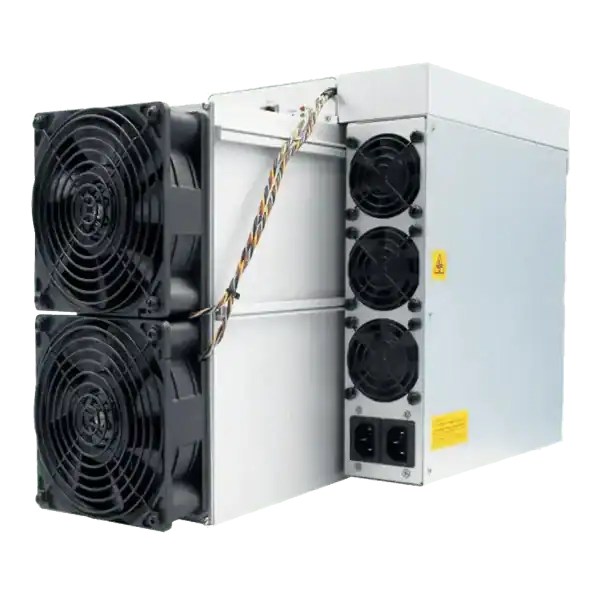
ShibaCoin mining explained simply. Learn how SHIC merged mining works with Litecoin, what PPLNS means and which pool, wallet and profit checks matter.
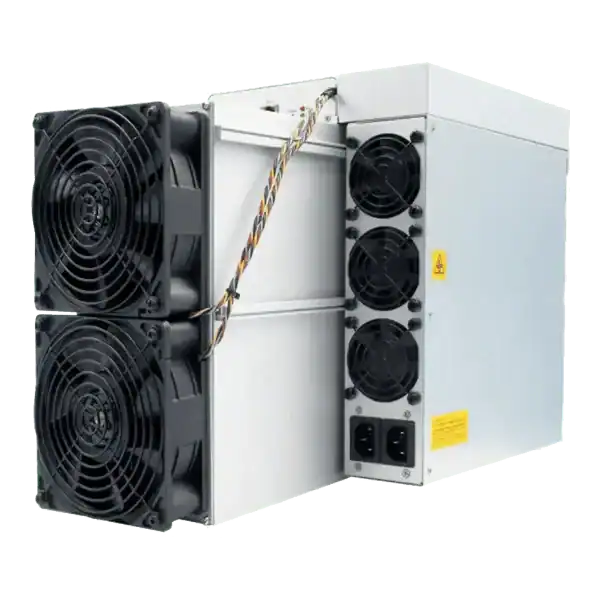
CraftCoin mining explained for beginners. Learn how CRC merged mining works beside Litecoin, how PPLNS pays and which pool, wallet and value checks matter.
Bellscoin mining explained in simple English. Learn how Scrypt merged mining can share Litecoin and Dogecoin work, and how to check pools, rewards and wallets.
Join the ASIC Mining Discussion
Members can read and join the discussion
Log in to read comments from other miners. Create a free account if you would like to ask a question or share your experience.
Membership helps us protect the discussion from spam and keep answers useful.