Peercoin Mining Guide: SHA-256 Hardware and Risks explains where Peercoin fits in proof of work, what hardware is relevant and which facts must be checked before committing power or equipment.
TL;DR
Peercoin Mining Guide: SHA-256 Hardware and Risks explains where Peercoin fits in proof of work, what hardware is relevant and which facts must be checked before committing power or equipment.
- Confirm the current Peercoin consensus rules and active mining algorithm before choosing hardware.
- SHA-256 compatibility does not by itself prove that a network has useful liquidity, pool support or sustainable demand.
- Use current pool, wallet, exchange and network documentation because smaller projects can change or become inactive.
- Treat revenue estimates as a comparison only and include electricity, fees, downtime and hardware resale risk.
When people ask about Peercoin, they’re diving into one of the most historically significant yet quietly influential projects in cryptocurrency history, the blockchain that pioneered the staking model that now powers Ethereum, Cardano, and countless other modern networks. This isn’t just another altcoin trying to ride current trends; it’s the OG energy-efficient cryptocurrency that was solving tomorrow’s problems while everyone else was still arguing about block sizes.
Project background
The development philosophy that shaped Peercoin emphasized sustainability and long-term viability over just raw computational power, reflecting an understanding that successful monetary systems need to be efficient as well as secure.
The innovation timeline about Peercoin shows how many features now considered standard in modern cryptocurrencies, including staking, energy efficiency, and sustainable consensus, were pioneered by this early project that flew under most people’s radar.
The SHA-256 Foundation: Building on Bitcoin's Security
When miners start learning about Peercoin, they discover the project uses the tried-and-true SHA-256 algorithm for its proof-of-work component, the same mining algorithm that secures Bitcoin. This choice reflects the project’s philosophy of building on proven foundations while adding innovative improvements.
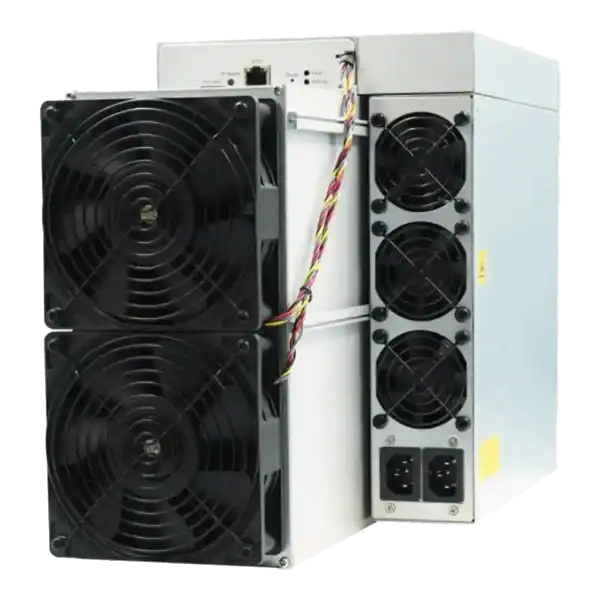
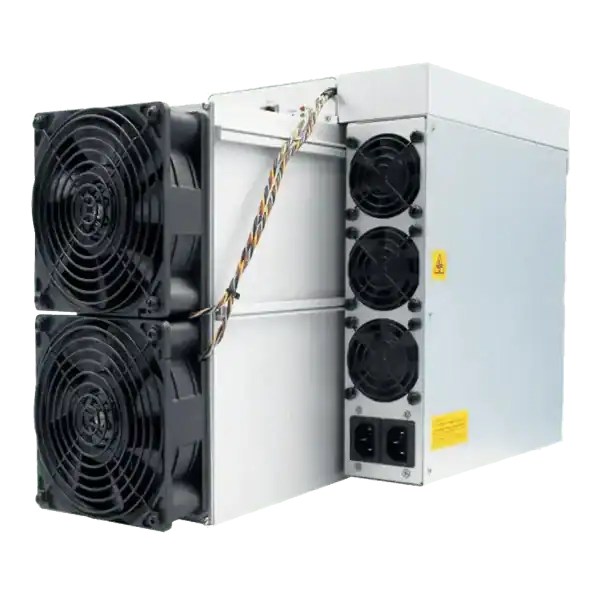
The mining characteristics about Peercoin through SHA-256 allow Bitcoin miners to also mine Peercoin using the same ASIC hardware, creating opportunities for miners to diversify their rewards while contributing to multiple network security systems.
Hybrid consensus means that while Peercoin uses SHA-256 for initial coin distribution and some security functions, the network increasingly relies on proof-of-stake validation as it matures, reducing energy consumption over time.
The transition model about Peercoin gradually shifts from energy-intensive mining to energy-efficient staking, creating a network that becomes more sustainable as it grows rather than more wasteful like pure proof-of-work systems.
Proof-of-Stake Pioneer: Earning While You HODL
Staking mechanics about Peercoin work by having coin holders keep their wallets running to validate transactions and create new blocks, earning rewards proportional to their holdings and the time their coins have been held without moving.
The energy efficiency gains are dramatic, proof-of-stake validation requires about as much electricity as running a laptop, compared to the industrial-scale energy consumption required for competitive proof-of-work mining.
Network security about Peercoin through staking creates economic incentives where attacking the network would require owning a large portion of the coins, making such attacks extremely expensive and self-defeating.
Coin Age: Time as a Currency Feature
Coin age mechanics encourage long-term holding and network stability by giving older coins higher priority in the staking process, creating economic incentives for users to maintain their holdings rather than constantly trading.
The economic implications about Peercoin’s coin age system include reduced volatility and speculation while rewarding users who contribute to network security through consistent participation rather than just computational power.
Reset mechanics ensure that once coins are used for staking or transactions, their age resets to zero, maintaining fairness and preventing any single holder from accumulating excessive influence over time.
Sustainable Economics: The Anti-Inflation Innovation
The monetary policy about Peercoin includes a unique approach to inflation that adjusts based on network participation, creating a self-regulating system that maintains economic balance without fixed monetary rules that might become problematic over time.
Target inflation rates hover around 1% annually when the network is healthy, providing enough new coins to reward stakers while maintaining scarcity and value preservation for long-term holders.
The adaptive approach about Peercoin to monetary policy means that inflation decreases when fewer people stake and increases when more people participate, creating natural market mechanisms that encourage optimal network security.
Economic sustainability comes from designing a system that can maintain itself indefinitely without requiring ever-increasing energy consumption or complex economic interventions to remain viable.
Network Security: Efficiency Meets Protection
The security model about Peercoin combines the proven security of SHA-256 mining with the economic security of proof-of-stake validation, creating multiple layers of protection against various attack vectors.
Attack resistance includes protection against both traditional mining attacks and novel stake-based attacks through careful economic design that makes attacks expensive and unlikely to succeed.
The transition strategy about Peercoin gradually reduces reliance on energy-intensive mining while increasing the role of efficient staking, creating a network that becomes more secure and sustainable over time.
Consensus finality is achieved through the combination of mining and staking, with the proof-of-stake component providing faster transaction confirmation while mining provides ultimate security for high-value transactions.
Historical Significance: The Quiet
The influence about Peercoin on cryptocurrency development has been enormous despite the project’s relatively low profile, with proof-of-stake validation now being adopted by major networks including Ethereum’s transition from proof-of-work.
Innovation timeline shows that Peercoin introduced concepts that are now considered essential for sustainable blockchain networks, including energy-efficient consensus, staking rewards, and adaptive monetary policy.
Recognition about Peercoin in the cryptocurrency community has grown as environmental concerns about blockchain technology have increased and more projects have adopted proof-of-stake systems originally pioneered by Peercoin.
Legacy impact includes influencing the development of numerous other cryptocurrencies that have built upon or adapted Peercoin’s innovations for their own consensus mechanisms and economic models.
Mining to Staking: The Great Transition
The evolution about Peercoin from a mining-dependent network to a staking-focused system demonstrates how blockchain networks can adapt and improve their efficiency over time rather than being locked into their original design choices.
Participation incentives shift from rewarding computational power to rewarding network participation and long-term commitment, creating a more inclusive system where anyone can contribute to network security.
The technical implementation about Peercoin’s hybrid system required solving complex problems around consensus coordination and economic balance that weren’t addressed by pure proof-of-work or pure proof-of-stake systems.
Network effects improve as more users participate in staking, creating a virtuous cycle where increased participation leads to better security and higher rewards for participants.
Environmental Leadership: Green Before It Was Trendy
The sustainability approach about Peercoin addressed environmental concerns about cryptocurrency mining years before these issues became mainstream talking points in technology and finance circles.
Carbon footprint reduction through proof-of-stake validation demonstrates how blockchain networks can provide security and functionality while consuming minimal energy compared to traditional proof-of-work systems.
Energy innovation about Peercoin showed that network security doesn’t require massive energy consumption, paving the way for more sustainable approaches to blockchain consensus that are now being adopted industry-wide.
Environmental advocacy includes promoting understanding of how different consensus mechanisms affect energy consumption and demonstrating that sustainable blockchain technology is both possible and practical.
Wallet Innovation: Making Staking Accessible
The user experience about Peercoin has evolved to make staking accessible to ordinary users through wallet software that automates the technical aspects of network participation while providing clear rewards tracking.
Staking interfaces hide the complexity of proof-of-stake validation behind user-friendly designs that make earning staking rewards as simple as keeping a wallet application running on a computer.
Security features about Peercoin wallets include options for cold staking that allow users to earn rewards while keeping their private keys offline, providing both security and earning potential.
Mobile integration has expanded to include staking capabilities on smartphones and tablets, making network participation accessible to users who don’t have dedicated computers for running wallet software.
Community and Governance: Quiet Strength
The community dynamics about Peercoin reflect the project’s focus on technical merit and long-term sustainability rather than hype-driven marketing or speculative trading promotion.
Governance philosophy emphasizes gradual improvement and community consensus rather than rapid changes or experimental features that might compromise the network’s stability and reliability.
Developer contributions about Peercoin come from both core team members and community volunteers who appreciate the project’s technical innovations and long-term vision for sustainable cryptocurrency.
Global participation includes users worldwide who value the environmental benefits and economic sustainability that Peercoin’s proof-of-stake system provides compared to energy-intensive alternatives.
Technical Excellence: Innovation Through Simplicity
The engineering approach about Peercoin prioritizes proven, reliable technology over experimental features, creating a stable platform that has operated consistently for over a decade.
Code quality reflects careful development practices and conservative approaches to changes that maintain network stability while gradually implementing improvements based on community feedback and technological advancement.
Research contributions about Peercoin to the broader cryptocurrency community include pioneering work on proof-of-stake consensus that has influenced numerous other projects and academic research.
Upgrade processes involve careful testing and community coordination to ensure that improvements don’t compromise the security or reliability that users depend on for their financial applications.
Market Dynamics: Value Through Utility
The trading behavior about Peercoin often reflects the project’s focus on long-term value and utility rather than short-term speculation, attracting investors who appreciate sustainable technology and economic models.
Price stability benefits from the staking system that encourages long-term holding and the economic design that reduces volatility compared to purely speculative cryptocurrencies.
Market positioning about Peercoin emphasizes environmental sustainability and proven technology rather than competing on marketing hype or speculative potential alone.
Investment thesis includes both the historical significance of the project’s innovations and the growing importance of energy-efficient blockchain technology in a world increasingly concerned about environmental impact.
Educational Impact: Teaching Sustainable Blockchain
The learning opportunities about Peercoin include understanding how proof-of-stake systems work, the economics of sustainable cryptocurrency design, and the history of blockchain innovation beyond just Bitcoin and Ethereum.
Academic interest has grown as universities and researchers study proof-of-stake systems and sustainable blockchain technology, with Peercoin serving as an important historical example and ongoing case study.
Industry influence about Peercoin continues as more projects adopt proof-of-stake consensus and energy-efficient approaches that were originally pioneered by this early cryptocurrency project.
Knowledge sharing includes documentation, research papers, and community resources that help others understand and implement sustainable blockchain technology based on Peercoin’s pioneering work.
Current status and outlook
The roadmap about Peercoin focuses on continued improvement of the staking system, user experience enhancements, and integration with modern blockchain infrastructure while maintaining the core principles that make the project valuable.
Innovation priorities include improving accessibility for new users, enhancing security features, and exploring new applications for proof-of-stake technology that build on Peercoin’s proven foundation.
Partnership opportunities about Peercoin include collaborations with other sustainable technology projects and organizations that value environmental responsibility in blockchain development.
Research directions involve ongoing work on consensus mechanisms, economic models, and user experience improvements that could further enhance the benefits of proof-of-stake systems.
Global Impact: Sustainable Finance for Everyone
The accessibility benefits about Peercoin include enabling anyone to participate in network security and earn rewards without requiring expensive mining hardware or technical expertise in cryptocurrency mining.
Economic empowerment extends to users worldwide who can earn staking rewards and participate in a sustainable financial network regardless of their access to cheap electricity or mining equipment.
Environmental justice about Peercoin addresses concerns about cryptocurrency’s environmental impact by demonstrating that blockchain technology can provide financial benefits without requiring massive energy consumption.
Financial inclusion opportunities arise from the low barriers to participation in staking compared to competitive mining, making cryptocurrency earning opportunities available to a broader range of users worldwide.
Commercial considerations Considerations: Betting on Sustainability
The value proposition about Peercoin rests on the growing importance of sustainable technology and the proven track record of innovations that have influenced the entire cryptocurrency industry.
Risk assessment includes both traditional cryptocurrency volatility and specific factors related to the project’s focus on long-term sustainability rather than short-term market trends.
Growth potential about Peercoin depends on continued adoption of proof-of-stake technology and growing recognition of the importance of energy-efficient blockchain systems in mainstream finance.
Portfolio diversification benefits include exposure to pioneering sustainable technology and a project with different risk and reward characteristics compared to purely speculative cryptocurrencies.
Practical conclusion
The fundamental contribution about Peercoin lies in proving that blockchain networks can be both secure and sustainable, pioneering technologies that are now considered essential for the development of cryptocurrency.
Whether the project achieves broader recognition depends on growing awareness of its historical importance and continued relevance as environmental concerns about cryptocurrency become increasingly important.
The practical impact about Peercoin extends beyond just the project itself to include influencing the development of sustainable blockchain technology that could enable widespread cryptocurrency adoption without environmental costs.
The broader implications about Peercoin for cryptocurrency development include demonstrating that the most important innovations are often the ones that solve fundamental problems rather than just creating new features or marketing opportunities.
What to verify before acting
Mining networks, pool support, firmware, exchange access and hardware availability can change. Verify the current network documentation, test with a small controlled configuration and do not rely on a historical profitability figure when purchasing equipment.
Useful next steps
Authoritative references
Check current official documentation alongside this article because network rules, product ranges and legal guidance can change.