

Sealminer A4 Ultra Hydro
Bitcoin & Bitcoin Cash ASIC Miner
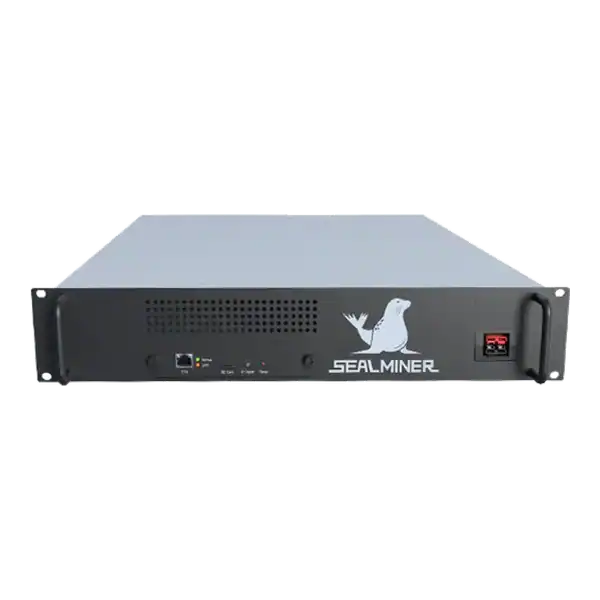

886TH
HASHRATE
9.45W/TH
EFFICIENCY
8373W
POWER
£851.51
EST. MONTHLY
NO PAYBACK
EST. ROI
Understand mining pool KYC, why a provider may request identity evidence, how to verify the request and how to protect privacy, access and payouts.
Mining pool KYC is a provider's identity and risk-control process. Requirements vary with the entity, service, jurisdiction, payout route and customer risk. A pool may permit basic mining before requesting documents, restrict withdrawals until checks finish or decline certain locations.
The operator should verify the legal entity and privacy notice before sending data, then protect the KYC account and payout route as carefully as a financial account.
Mining pool KYC: A provider may use identity checks for sanctions screening, fraud prevention, account recovery, payment services, tax reporting, licensing or internal risk policy.
A miner wants to understand mining pool KYC. If a request appears suspicious, stop using the link, open the known official site independently and contact verified support.
A provider may use identity checks for sanctions screening, fraud prevention, account recovery, payment services, tax reporting, licensing or internal risk policy. The applicable reason depends on what the service actually does and where it operates.
Under the UK Money Laundering Regulations, specified cryptoasset exchange providers and custodian wallet providers can have FCA registration duties. That does not mean every technical mining pool is automatically in the same category. Associated exchange, custody or payout functions can change the analysis.
A global pool can apply one standard across countries or impose extra checks for a payout product. Requirements can change. So a guide should not promise permanent no-KYC access.
Ask the provider to identify its entity, terms and privacy notice. Do not send documents to a person who contacts you through an unsolicited social message.

For an individual, a provider may request name, address, date of birth, government identification, photograph or proof of address. For a company it may request incorporation, registered office, directors, beneficial owners, authority and source-of-funds or activity information.
Enhanced checks can follow a risk trigger, jurisdiction, transaction level or sanctions match. A request is not proof of wrongdoing. But the provider should explain the lawful basis and secure route under its privacy framework.
Do not alter or obscure a document in a way that makes the check misleading. Where safe-watermarking is accepted, follow the provider’s instructions and retain a copy of exactly what was supplied.
| Question | Evidence | Reason |
|---|---|---|
| Which entity receives it? | Terms and company details | Identify controller and jurisdiction |
| Why is it required? | KYC notice or support response | Understand purpose and service impact |
| How is it sent? | Official authenticated portal | Reduce phishing and email exposure |
| How long is it kept? | Privacy or retention notice | Understand continuing exposure |
| Who receives it? | Processor and sharing information | Assess third-party transfer |
| How can rights be used? | Privacy contact and process | Correct or query records |
UK GDPR and the Data Protection Act 2018 require personal data to be processed lawfully, fairly and transparently. The organisation should collect data that is adequate, relevant and limited to what is necessary for its stated purpose.
A provider outside the UK may use another legal framework. But a UK business still needs to understand where staff, director and beneficial-owner data is sent. Review international-transfer information and contractual responsibility.
KYC records may be subject to legal retention duties that prevent immediate deletion. A valid erasure request is not an automatic requirement to remove data that must lawfully be retained.
Maintain an internal record of the business decision, documents supplied, date, provider and responsible owner without duplicating identity files into uncontrolled email and shared drives.
Complete due diligence before directing substantial hashrate. A pool that permits mining but later freezes withdrawals pending KYC can create a material cash-flow and counterparty exposure.
Read thresholds and deadlines. If enhanced checks are triggered by balance or transaction volume, plan for them rather than splitting activity to evade controls.
Protect the account email, password, multi-factor authentication, recovery codes and payout address. Identity documents can make account takeover more damaging because an attacker has more material for impersonation.
If a request appears suspicious, stop using the link, open the known official site independently and contact verified support. Preserve the message for the provider’s security team.
Providers can screen names, entities, wallet addresses, countries and counterparties under applicable sanctions policies. A potential match can lead to questions, delay or a legally required restriction.
UK persons and businesses must comply with applicable UK financial sanctions. Use the current UK Sanctions List and professional advice for material or uncertain cases. A pool’s screening does not discharge the customer’s own duties.
Do not use a VPN, nominee or false details to bypass a geographic or identity restriction. That can breach terms, create loss of access and worsen legal risk.
Record why a pool is permitted for the business, what jurisdictions and payout services are involved and when due diligence will be refreshed.
Do not provide documents when the entity, purpose, domain or secure channel cannot be verified. Ask the provider through its published contact route.
Pause where the request conflicts with the service’s own privacy information or seeks credentials and wallet keys that KYC should not require.
A complex corporate structure, sanctions match, disputed source of funds or cross-border transfer may need legal, compliance or data-protection advice.
Do not make inaccurate declarations merely to finish onboarding quickly.
A provider may use identity checks for sanctions screening, fraud prevention, account recovery, payment services, tax reporting, licensing or internal risk policy. The applicable reason depends on what the service actually does and where it operates.
For an individual, a provider may request name, address, date of birth, government identification, photograph or proof of address. For a company it may request incorporation, registered office, directors, beneficial owners, authority and source-of-funds or activity information.
Complete due diligence before directing substantial hashrate. A pool that permits mining but later freezes withdrawals pending KYC can create a material cash-flow and counterparty exposure.
Providers can screen names, entities, wallet addresses, countries and counterparties under applicable sanctions policies. A potential match can lead to questions, delay or a legally required restriction.
Do not provide documents when the entity, purpose, domain or secure channel cannot be verified. Ask the provider through its published contact route.
Mining pool KYC should be treated as a controlled supplier-onboarding process. Verify why the data is required, who receives it, how it is protected and whether access or payouts depend on completion. Submit only through trusted channels, maintain pool exposure limits and get appropriate advice where sanctions, regulatory or data-transfer facts are uncertain.
Review The Mining Shop UK privacy and risk resources alongside the selected pool’s current KYC and payout documents.
KYC requirements are provider-specific. A mining pool is not automatically subject to exactly the same UK registration duties as an exchange merely because both handle cryptoasset-related activity. Verify the request through the provider's official site, read purpose, retention and sharing information, and send only required data through the approved channel.

Run a mini miner pool failover test covering verified endpoints, worker identity, payout destination, timeout, accepted shares, recovery and residual balances.

Compare Bitcoin mining pool payouts by reward method, fees, transaction-fee treatment and variance to understand what your hashrate may retain.
Audit Scrypt auxiliary reward accounting for merged-mined coins, pool allocation, donation or conversion rules, fees, minimums and final payout evidence.
Join the ASIC Mining Discussion
Members can read and join the discussion
Log in to read comments from other miners. Create a free account if you would like to ask a question or share your experience.
Membership helps us protect the discussion from spam and keep answers useful.