ASIC Mining Energy Efficiency: Reducing Electricity Costs puts electrical capacity, heat rejection, airflow, noise and maintenance ahead of headline hashrate. These site conditions determine whether hardware can run reliably.
TL;DR
ASIC Mining Energy Efficiency: Reducing Electricity Costs puts electrical capacity, heat rejection, airflow, noise and maintenance ahead of headline hashrate. These site conditions determine whether hardware can run reliably.
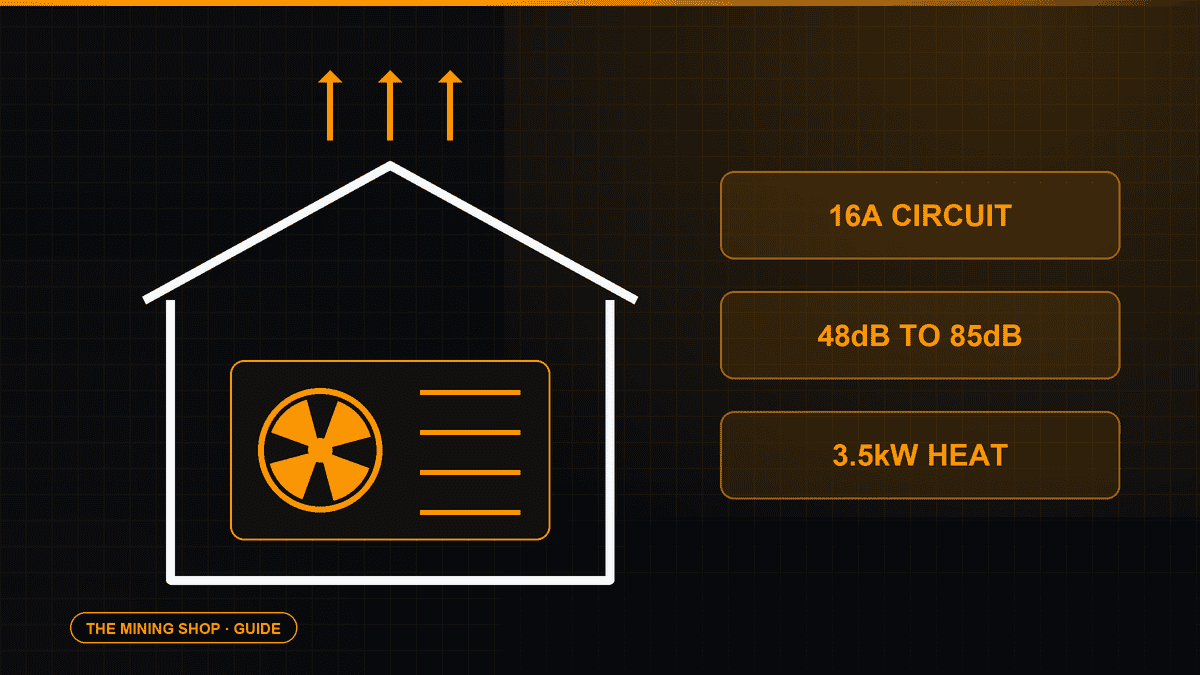
Electrical load and heat output must be designed for continuous operation, not estimated from a domestic appliance comparison.
Cooling choice changes noise, maintenance, infrastructure cost and the options for heat recovery.
Efficiency should be measured at the wall and reviewed as ambient conditions and firmware settings change.
A qualified electrician or competent site engineer should verify the installation where required.
Introduction: Why Crypto Mining and Energy Efficiency Matters
Crypto mining has rapidly grown into a popular way for enthusiasts and investors to earn cryptocurrency. However, one of the most significant concerns facing crypto miners today is the enormous energy consumption involved. This consumption doesn’t just impact the environment; it hits the wallet hard through skyrocketing electricity bills. Thus, understanding crypto mining and energy efficiency is crucial not only for environmental responsibility but also for financial sustainability.
In this detailed guide, we’ll explore various strategies for improving crypto mining and energy efficiency. Whether you’re mining Bitcoin, Ethereum, or any other cryptocurrency, this guide will help you reduce your electricity costs significantly.
Understanding Crypto Mining and Energy Efficiency
Crypto mining refers to the process where miners use powerful computer hardware to solve complex mathematical equations, verifying transactions on blockchain networks, and earning rewards in cryptocurrency. Unfortunately, this computational process is highly energy-intensive. That’s where energy efficiency comes into play—finding methods to perform mining tasks with the least possible electricity consumption.
Why Energy Efficiency is Critical in Crypto Mining
Crypto mining and energy efficiency go hand-in-hand for several reasons. First, reducing energy usage directly cuts your operational costs, maximising profitability. Second, efficient mining practices reduce the environmental footprint of crypto mining, addressing significant ecological concerns associated with excessive power consumption.
Moreover, regions with high electricity costs can severely impact mining profitability, making energy-efficient strategies essential for long-term sustainability.
How Much Energy Does Crypto Mining Actually Use?
Crypto mining consumes massive amounts of electricity. For example, Bitcoin mining alone uses approximately 0.5% of global electricity production—roughly equivalent to the energy consumption of small to medium-sized countries. Ethereum and other cryptocurrencies have also historically required significant power, although Ethereum’s recent move to proof-of-stake has reduced its energy footprint considerably.
Understanding these energy consumption levels helps highlight the urgency for adopting strategies centered around crypto mining and energy efficiency.
ASIC Mining Energy Efficiency: Reducing Electricity Costs 4
Factors Affecting Crypto Mining and Energy Efficiency
Several key factors influence energy efficiency in crypto mining, including:
Type of mining hardware used (GPUs, ASIC miners)
Cooling solutions
Mining facility environment
Energy management practices
Cost and source of electricity
Addressing each of these factors can significantly enhance your crypto mining and energy efficiency, leading to tangible financial savings.
Practical Ways to Enhance Crypto Mining and Energy Efficiency
Now,
Choosing Efficient Mining Hardware
Not all mining hardware is created equal when it comes to energy consumption. ASIC miners (Application-Specific Integrated Circuits) specifically designed for cryptocurrency mining are generally more energy-efficient compared to GPU mining rigs. Modern ASIC miners use less energy per hash, making them significantly more cost-effective.
When selecting hardware, consider energy efficiency ratings and hash rates carefully. Brands like Bitmain and MicroBT offer highly energy-efficient ASIC miners tailored specifically for Bitcoin and other cryptocurrencies.
optimising Cooling Solutions
Cooling systems represent a significant portion of energy costs in crypto mining. Efficient cooling solutions dramatically impact overall energy use. Some effective strategies include:
Using high-quality, efficient cooling fans and heat sinks
Implementing liquid cooling or immersion cooling systems
Ensuring proper airflow and ventilation within the mining environment
Liquid immersion cooling, while initially costly, can reduce energy costs significantly in the long term by effectively managing heat and improving hardware longevity, thus enhancing your crypto mining and energy efficiency.
Implementing Renewable Energy Sources
Leveraging renewable energy sources is an excellent way to boost crypto mining and energy efficiency. Solar power, wind turbines, and hydroelectric power offer sustainable and cost-effective alternatives to traditional electricity sources.
By investing in solar panels or partnering with renewable energy providers, miners can significantly reduce their carbon footprint and energy costs. Companies like Tesla offer powerful solar solutions suitable for large-scale mining operations.
Energy Management and Optimization Software
Implementing energy management software can significantly improve your crypto mining and energy efficiency. Advanced monitoring software helps identify inefficiencies, manage power consumption dynamically, and optimize mining activities during off-peak electricity pricing hours.
Software solutions like Awesome Miner or Hive OS provide real-time monitoring, detailed statistics, and automated energy optimization strategies. Using such tools ensures miners continuously operate at peak efficiency, reducing overall electricity consumption.
Real-Life Examples and Case Studies
Understanding how others successfully implemented crypto mining and energy efficiency strategies can help you replicate their success.
Case Study: Solar-Powered Crypto Mining Farm
A crypto mining farm in California successfully integrated solar energy, reducing electricity costs by nearly 70%. Using large solar arrays, battery storage systems, and efficient ASIC miners, they substantially improved profitability and sustainability. This approach exemplifies the benefits of combining renewable energy with crypto mining.
ASIC Mining Energy Efficiency: Reducing Electricity Costs 5
Success Story: Immersion Cooling Systems
A mining company in Norway dramatically improved its crypto mining and energy efficiency by adopting immersion cooling technology. This solution reduced energy used for cooling by 40%, significantly lowered operating temperatures, and increased mining hardware lifespan, demonstrating tangible financial benefits.
ASIC Mining Energy Efficiency: Reducing Electricity Costs 6
Community Initiatives and Shared Renewable Sources
Some mining communities have formed cooperatives to invest in renewable energy projects collectively. By pooling resources, smaller miners access affordable, renewable energy options that enhance crypto mining and energy efficiency and significantly reduce individual costs.
Smart Scheduling and Energy Rate Optimization
Miners in regions with variable electricity pricing have achieved substantial savings through smart scheduling practices, mining predominantly during off-peak hours when electricity rates are lower. This simple yet highly effective strategy can cut costs considerably.
Conclusion: Mastering Crypto Mining and Energy Efficiency
Crypto mining doesn’t have to be an energy-draining, costly endeavor. By prioritizing crypto mining and energy efficiency, miners can significantly reduce electricity bills, enhance profitability, and contribute positively to environmental sustainability. Carefully selecting hardware, optimising cooling solutions, integrating renewable energy, and implementing effective energy management practices are critical steps toward achieving these goals.
Explore our detailed guides on Building Efficient Mining Rigs or visit external resources like CoinDesk and Renewable Energy World for more insights.
By embracing these strategies, crypto miners can sustain profitable operations while actively addressing global energy consumption challenges. Start optimising today, and watch your electricity savings grow!
Useful next steps
Use these pages to move from research to a product or operating decision:
We use necessary cookies to run the shop and optional analytics cookies to understand how visitors use the site and improve shopping and checkout. You can accept analytics, use only necessary cookies, or choose settings. You can change your choice at any time.
Functional
Always active
The technical storage or access is strictly necessary for the legitimate purpose of enabling the use of a specific service explicitly requested by the subscriber or user, or for the sole purpose of carrying out the transmission of a communication over an electronic communications network.
Preferences
The technical storage or access is necessary for the legitimate purpose of storing preferences that are not requested by the subscriber or user.
Statistics
The technical storage or access that is used exclusively for statistical purposes.The technical storage or access that is used exclusively for anonymous statistical purposes. Without a subpoena, voluntary compliance on the part of your Internet Service Provider, or additional records from a third party, information stored or retrieved for this purpose alone cannot usually be used to identify you.
Marketing
The technical storage or access is required to create user profiles to send advertising, or to track the user on a website or across several websites for similar marketing purposes.