
BIP 69 Transaction Input and Output Sorting Explained
BIP 69 transaction sorting explained: learn input outpoint ordering, output amount and script ordering, privacy limits and functional exceptions.
Read article
Page 92
BIP 69 transaction sorting explained: learn input outpoint ordering, output amount and script ordering, privacy limits and functional exceptions.
BIP 100 dynamic block-size voting explained as a closed hard-fork proposal with 75% miner thresholds, 5% adjustment limits and split risk.
BIP 68 relative lock time made simple. See what the proposal changes, its current status and what it means for Bitcoin users and operators.
BIP 130 Sendheaders made simple. See what the proposal changes, its current status and what it means for Bitcoin users and operators.
BIP 47 Reusable Payment Codes made simple. See what the proposal changes, its current status and what it means for Bitcoin users and operators.
BIP 67 Sorted Multisig Keys made simple. See what the proposal changes, its current status and what it means for Bitcoin users and operators.
BIP 66 strict DER signatures explained through Bitcoin encoding rules, activation and the 2015 fork caused by miners building without full validation.
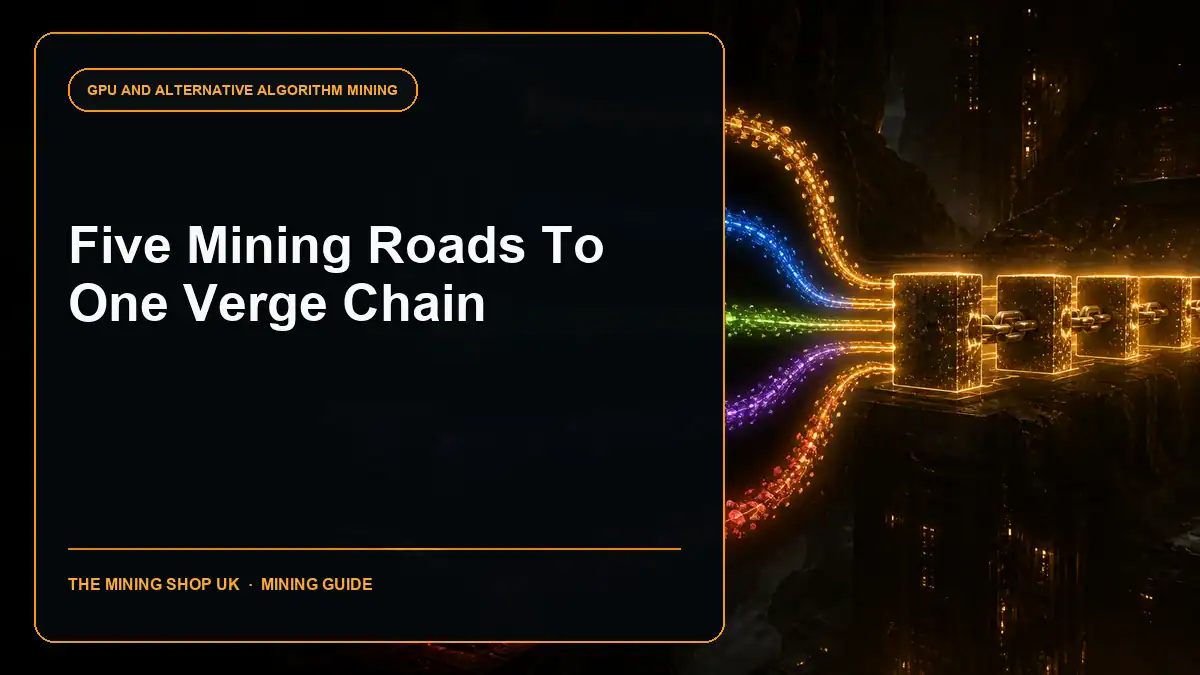
Verge mining uses five proof-of-work algorithms. See how Scrypt, X17, Lyra2rev2, Myr-Groestl and Blake2s share one chain and affect hardware choice.

Learn how mining power supply efficiency works, what it changes for miners, the money and safety risks, and the checks to make before using it.

Dash masternode rewards explained in plain English, including collateral, running costs, payment risk and how masternodes can protect X11 miners.

BIP 65 CHECKLOCKTIMEVERIFY made simple. See what the proposal changes, its current status and what it means for Bitcoin users and operators.

Learn how Dogecoin AuxPoW nodes works, what it can earn, the costs and security checks, and how a Dogecoin node can support Scrypt miners.