

Antminer Z15 Pro
Zcash & Horizen ASIC Miner
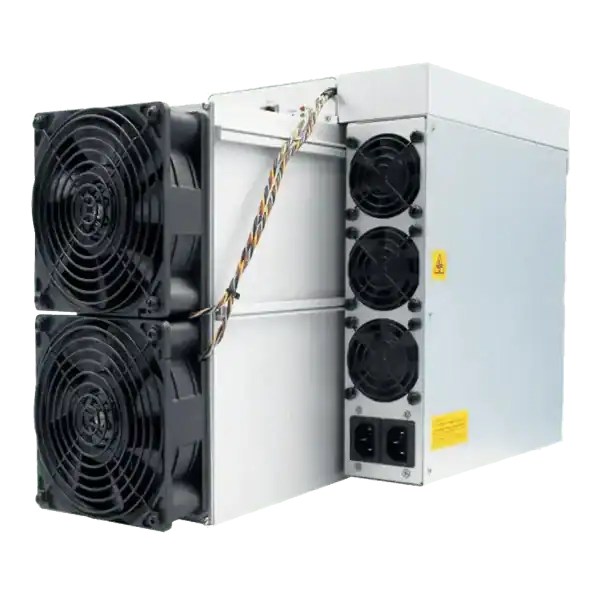

840KSOL
HASHRATE
3.3W/KSOL
EFFICIENCY
2772W
POWER
£1385.48
EST. MONTHLY
9
Months
EST. ROI
BLAKE3 Mining made simple. See how the network works, which hardware matters and what to check before using electricity.
BLAKE3 mining: This guide explains where BLAKE3 mining fits in proof of work, what hardware is relevant and which facts must be checked before committing.
BLAKE3 Mining Explained: Hardware and Compatibility explains the mining topic in plain English. It does not assume that an old network description is still current.
BLAKE3 mining: BLAKE3 is the algorithm named in this article. An algorithm is a set of computing steps. Mining equipment must support the exact version used by the network.
A miner wants to understand BLAKE3 mining. Check the current rule and pool instructions before buying, moving or switching on equipment. Network rules can change after a fork or software update.

BLAKE3 is the project or mining topic covered by this guide. Older articles can make a small network sound larger or more active than it is. This guide takes a safer approach. It explains what to check and avoids treating past claims as current facts.
The first check is simple: find the project’s current website, code repository and recent releases. Look for recent network activity and working wallets. Then check whether recognised pools and exchanges still support it. A website on its own does not prove that a network is healthy.
BLAKE3 is the algorithm named in this article. An algorithm is a set of computing steps. Mining equipment must support the exact version used by the network. Hardware made for another algorithm cannot normally switch across.
Network rules can change after a fork or software update. A pool may also stop accepting an older method. Check the current rule and pool instructions before buying, moving or switching on equipment.
Do not answer this from the article date alone. Check a current block explorer, recent project releases and pool status. A network can exist while having little mining activity, weak liquidity or no practical route to sell rewards.
Use three separate checks. First, confirm that new blocks are appearing. Second, confirm that a suitable pool or solo-mining method works. Third, confirm that a supported wallet can receive and move the reward.
Start with the algorithm, not the coin name. Some algorithms use ASIC miners. Others favour graphics cards or processors. The exact device, memory needs, firmware and pool protocol must all match.
Test one machine or a small amount of hashrate first. Watch accepted shares, rejected shares, temperature, wall power and restarts. A dashboard hashrate is not enough if the pool does not accept the work.
Begin with measured wall power. Convert watts to kilowatts and multiply by running hours and the electricity rate. Add pool fees, hosting, cooling, repairs and expected downtime. Use the same period for revenue and costs.
Then test a worse case. Lower the reward value, raise difficulty and include a breakdown. If the plan only works with today’s best number, it has little room for error.
A small or older network can lose pool, wallet or exchange support. Software may be unmaintained. Market prices can look attractive while real trading is very limited. Hardware may also have little use outside one algorithm.
Security matters too. Download software from a trusted source. Check file signatures when they are supplied. Protect wallet keys and never send a seed phrase or private key to a pool, seller or support account.
Imagine that a miner appears compatible with BLAKE3. The pool accepts a short test, but the market for the reward is very small. Electricity costs more than the reward after fees. The machine works, yet the mining plan still does not make sense.
Now imagine the same test with cheap power and a clear use for the reward. The answer may be different. This is why compatibility, operation and profit must be checked separately.
BLAKE3 mining: BLAKE3 is the algorithm named in this article. An algorithm is a set of computing steps.
BLAKE3 is the project or mining topic covered by this guide. Older articles can make a small network sound larger or more active than it is.
BLAKE3 is the algorithm named in this article. An algorithm is a set of computing steps.
Do not answer this from the article date alone. Check a current block explorer, recent project releases and pool status.
BLAKE3 Mining Explained: Hardware and Compatibility should lead to a current, evidence-based check. Confirm the network, algorithm, pool, wallet, hardware and full cost before acting. Stop if any important part cannot be verified.
Xaya Core mining ended after the legacy chain was deprecated. Learn what happened to CHI, how the WCHI snapshot works and why old mining guides are obsolete.
QRL mining explained for beginners. Learn how RandomX favours CPUs, how solo and pool mining differ, and why XMSS wallet use needs careful planning.
Nockchain mining explained in simple English. Learn what zero-knowledge proof of work means, how the fair launch works and why miners should test carefully.
Join the ASIC Mining Discussion
Members can read and join the discussion
Log in to read comments from other miners. Create a free account if you would like to ask a question or share your experience.
Membership helps us protect the discussion from spam and keep answers useful.