Alephium Mining Guide: Blake3 Hardware and Risks explains where Alephium fits in proof of work, what hardware is relevant and which facts must be checked before committing power or equipment.
TL;DR
Alephium Mining Guide: Blake3 Hardware and Risks explains where Alephium fits in proof of work, what hardware is relevant and which facts must be checked before committing power or equipment.
- Confirm the current Alephium consensus rules and active mining algorithm before choosing hardware.
- Blake3 compatibility does not by itself prove that a network has useful liquidity, pool support or sustainable demand.
- Use current pool, wallet, exchange and network documentation because smaller projects can change or become inactive.
- Treat revenue estimates as a comparison only and include electricity, fees, downtime and hardware resale risk.
When people ask about Alephium, they’re diving into one of the most technically sophisticated yet elegantly simple blockchain architectures ever conceived, a project that uses innovative sharding technology to process thousands of transactions per second while keeping mining accessible to GPU enthusiasts and maintaining the security properties that make blockchain technology valuable. This isn’t just another “Ethereum killer” or scaling solution; it’s a complete reimagining of how blockchain networks can achieve massive throughput without sacrificing the decentralization that makes them special.
The Swiss Engineering: When Precision Meets Innovation
The development philosophy that shaped Alephium emphasized building technology that works in practice rather than just looking good in whitepapers. This pragmatic approach led to innovations that solve real problems rather than creating new ones.
The technical vision about Alephium involved creating a blockchain that could scale to handle real-world transaction volumes while maintaining the security and decentralization properties that make blockchain technology valuable for more than just speculation.
The Blake3 Algorithm: Mining for the Modern Era
When miners start getting excited about Alephium, the conversation inevitably turns to the Blake3 algorithm, a state-of-the-art cryptographic hash function that’s both incredibly fast and secure while being perfectly suited for GPU mining. Blake3 represents the cutting edge of hash function design, optimised for modern hardware architectures.
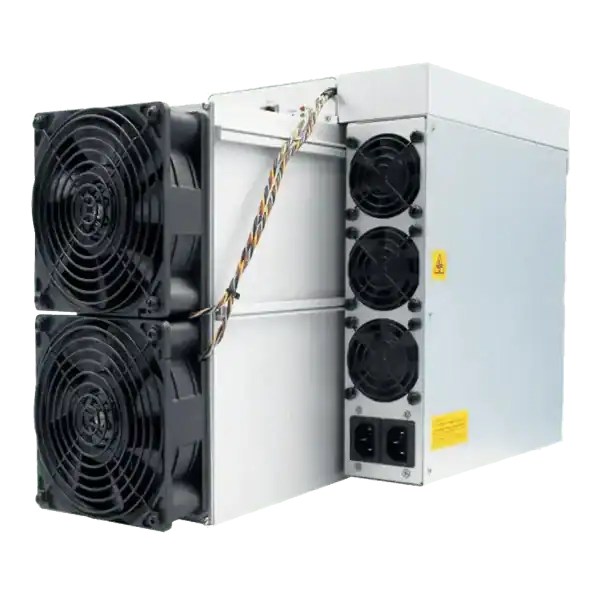
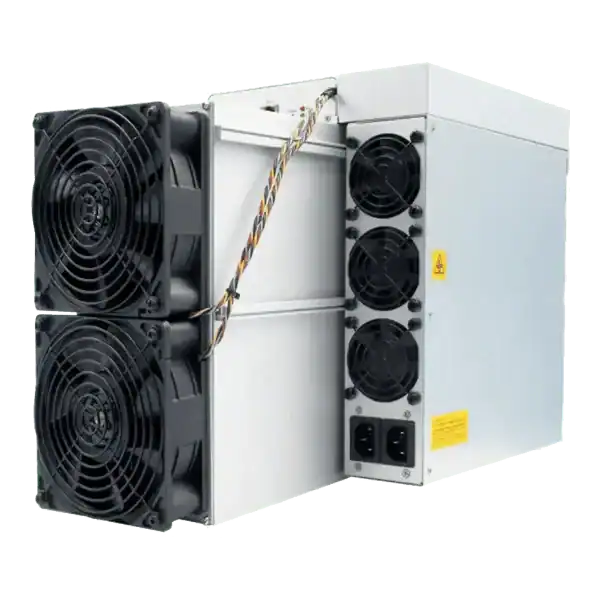
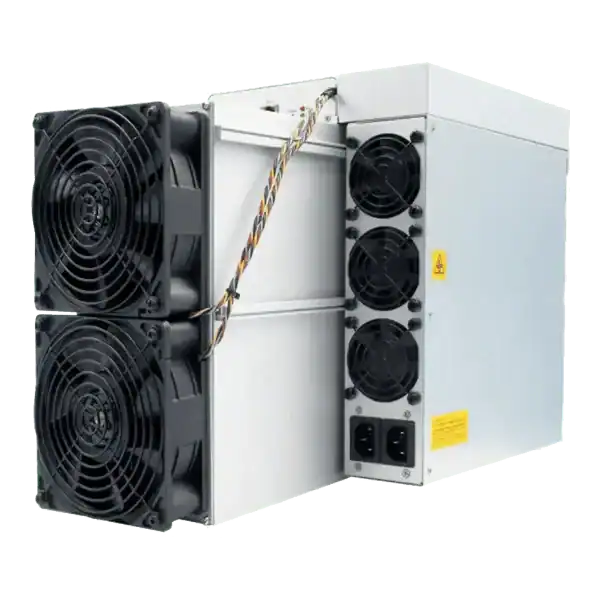
The mining approach about Alephium through Blake3 favors graphics cards over specialised ASIC hardware, keeping mining accessible to enthusiast miners and home operators rather than just industrial farms. This algorithm choice reflects a commitment to mining decentralization.
Performance characteristics of Blake3 include exceptional speed on modern CPUs and GPUs while maintaining strong security properties. The algorithm can process data much faster than older hash functions like SHA-256, enabling the high throughput that makes Alephium’s sharding possible.
Energy efficiency considerations make Blake3 mining more environmentally friendly than many other proof-of-work algorithms, requiring less electricity per hash while providing robust security for the network.
BlockFlow Sharding: Making the Impossible Possible
The sharding approach about Alephium through BlockFlow divides the network into multiple chains that can process transactions in parallel, dramatically increasing overall throughput while each shard maintains the full security properties of a standalone blockchain.
Cross-shard communication happens automatically and securely, allowing transactions and smart contracts to operate across different shards without users needing to worry about which shard they’re using. The complexity is handled by the protocol itself.
Security guarantees ensure that the sharded architecture doesn’t create new attack vectors or reduce the overall security of the network. Each shard benefits from the combined security of the entire network while operating independently.
Smart Contracts That Make Sense
The programming model that developers love about Alephium includes a custom virtual machine and programming language called Ralph that’s designed specifically for secure, efficient smart contract development. Ralph eliminates many common smart contract vulnerabilities by design.
Contract safety features include automatic checks for common programming errors, built-in security patterns, and a type system that prevents many classes of bugs that have cost other blockchain networks millions of dollars in exploits.
The development experience about Alephium through Ralph emphasizes clarity and security over clever tricks, making it easier to write correct smart contracts and harder to introduce vulnerabilities accidentally.
Gas efficiency improvements mean that smart contracts on Alephium consume less computational resources than equivalent contracts on other platforms, reducing transaction costs while maintaining functionality.
Real-World Performance: Speed That Matters
When businesses start exploring what’s possible about Alephium, they discover transaction throughput that can handle thousands of transactions per second across the sharded network while maintaining sub-second confirmation times for most transactions.
Scalability testing has demonstrated the network’s ability to maintain performance under high load conditions, with the sharded architecture providing natural scaling properties that improve as more shards are added to the network.
User experience benefits include fast transaction confirmation and low fees that make the blockchain practical for everyday use rather than just high-value transfers or speculative trading.
Network efficiency is achieved through the combination of Blake3’s speed, the parallel processing of BlockFlow sharding, and optimised virtual machine execution that maximizes throughput while minimising resource waste.
Mining Economics: GPU Renaissance
The mining landscape that attracts GPU miners about Alephium includes profitable opportunities for graphics card miners who were displaced by Ethereum’s transition to proof-of-stake. Blake3’s GPU-friendly characteristics create sustainable mining economics.
Hardware accessibility means that anyone with modern graphics cards can participate profitably in network security, maintaining the decentralized mining ethos that many cryptocurrency enthusiasts value.
Mining pool infrastructure has developed to support both solo miners and large operations, providing options for miners of different sizes while maintaining network decentralization through distributed hash rate.
Profitability calculations often favor Alephium mining due to the algorithm’s efficiency and the network’s focus on utility rather than just speculation, creating more stable demand for the cryptocurrency.
The UTXO Evolution: Learning from Bitcoin's Success
The transaction model that provides security about Alephium builds on Bitcoin’s proven UTXO (Unspent Transaction Output) model while adding enhancements that enable smart contracts and cross-shard operations. This approach combines proven security with modern functionality.
Scalability improvements to the UTXO model enable parallel processing across shards while maintaining the security properties that have made Bitcoin’s transaction model so reliable over more than a decade of operation.
Privacy features include built-in transaction mixing capabilities that provide optional privacy for users who need it while maintaining transparency for applications that require it.
State management through the enhanced UTXO model provides better resource utilization and clearer ownership semantics compared to account-based systems used by other smart contract platforms.
Decentralized Applications: Building on Solid Foundations
The application ecosystem that developers are building about Alephium includes DeFi protocols, NFT marketplaces, gaming applications, and enterprise solutions that take advantage of the network’s speed, security, and low costs.
DeFi innovation on the platform includes automated market makers, lending protocols, and yield farming applications that benefit from fast confirmation times and low transaction fees enabled by the sharded architecture.
Gaming integration has attracted developers interested in blockchain games that can handle high transaction volumes without the performance bottlenecks that plague other blockchain gaming platforms.
Enterprise adoption focuses on applications that need blockchain benefits like transparency and immutability while requiring the performance characteristics that make Alephium suitable for business use cases.
Network Security: Strength Through Diversity
The security model that protects everything about Alephium combines proof-of-work mining across multiple shards with innovative consensus mechanisms that prevent common attack vectors while maintaining decentralization.
Attack resistance includes protection against both traditional blockchain attacks and novel attack vectors that could potentially exploit sharding implementations. The BlockFlow design has been carefully analyzed for security vulnerabilities.
Consensus mechanisms ensure that all shards maintain synchronization and agreement on the global state while operating independently for transaction processing. This balance provides both performance and security.
Network monitoring includes ongoing analysis of hash rate distribution, shard performance, and potential security threats to ensure that the network maintains its security properties as it scales.
Environmental Considerations: Efficient by Design
The environmental approach about Alephium emphasizes efficiency through both the Blake3 algorithm’s energy efficiency and the network’s high transaction throughput that spreads energy consumption across many more transactions than less efficient blockchains.
Carbon footprint optimization includes promoting renewable energy use for mining and designing network protocols that maximise utility per unit of energy consumed.
Sustainability strategy involves building a network that provides genuine utility through high-performance applications rather than just speculative trading, justifying energy consumption through practical value creation.
Energy efficiency comparisons show favorable performance relative to other proof-of-work networks while providing superior functionality through smart contracts and high throughput.
Current status and outlook
The programming tools that make development about Alephium accessible include comprehensive SDKs, testing frameworks, and development environments that simplify building applications on the sharded network.
Documentation quality reflects the project’s Swiss origins with detailed, precise guides that help developers understand both basic concepts and advanced features without overwhelming complexity.
Community support includes active developer forums, educational resources, and technical assistance that help teams build successful applications on the platform.
Integration capabilities allow existing applications and business systems to incorporate Alephium functionality without requiring complete rebuilds of existing infrastructure.
Global Adoption: Scaling Worldwide
International interest in what’s being built about Alephium spans multiple continents and industries, with adoption driven by the network’s practical performance characteristics rather than just speculative investment.
Partnership development focuses on organizations that can benefit from high-performance blockchain infrastructure for real business applications rather than just marketing relationships.
Regional variations in adoption reflect different use cases and regulatory environments, with some regions focusing on DeFi applications while others emphasize enterprise or gaming use cases.
Educational initiatives help users and developers worldwide understand sharding technology and its practical benefits for building scalable blockchain applications.
Competitive Analysis: Standing Out in a Crowded Field
What distinguishes the technical approach about Alephium from other blockchain platforms is the successful implementation of practical sharding that works in production rather than remaining a theoretical scaling solution.
Performance comparisons with other high-throughput blockchains often highlight Alephium’s ability to achieve superior performance while maintaining decentralization and security properties that other scaling solutions sacrifice.
Technology differentiation includes the unique combination of Blake3 mining, BlockFlow sharding, and Ralph smart contract capabilities that together provide capabilities not available on other platforms.
Market positioning emphasizes practical utility and proven performance rather than just theoretical capabilities or marketing promises about future developments.
Economic considerations
The tokenomics that support everything about Alephium include carefully designed inflation schedules, mining rewards, and transaction fee structures that create sustainable economics for long-term network operation.
Value accrual mechanisms ensure that increased network usage translates into value for token holders while maintaining sufficient liquidity for practical use as a medium of exchange.
Mining economics provide sustainable incentives for network security while keeping transaction costs reasonable for users who want to build and use applications on the platform.
Governance considerations involve community input on network parameters and development priorities while maintaining the technical focus that has made the project successful.
Current status and outlook
The roadmap for advancing what’s possible about Alephium includes continued optimization of the sharding architecture, new developer tools, and additional features that will enhance the platform’s capabilities.
Research initiatives involve ongoing work on consensus mechanisms, privacy features, and scaling optimizations that could further improve network performance and security.
Partnership opportunities include collaborations with businesses and organizations that can benefit from high-performance blockchain infrastructure for their applications and services.
Platform evolution includes new programming language features, improved development tools, and enhanced cross-shard capabilities that will enable even more sophisticated applications.
Commercial considerations Considerations: Betting on Superior Engineering
The investment thesis about Alephium rests on the value of superior blockchain technology that solves real scalability problems while maintaining the security and decentralization properties that make blockchain technology valuable.
Risk factors include competition from other scaling solutions, regulatory uncertainty around cryptocurrency, and the challenge of building developer and user adoption in a competitive blockchain landscape.
Growth potential depends on continued adoption of the platform for real-world applications and recognition of the technical advantages provided by successful sharding implementation.
Market opportunity includes the potential for capturing market share from less efficient blockchain platforms as applications require higher performance and lower costs.
Practical conclusion
The fundamental achievement about Alephium lies in successfully implementing blockchain sharding that works in practice rather than just theory, solving the blockchain trilemma through superior engineering rather than marketing promises.
Whether the platform achieves mainstream adoption depends on continued development of the application ecosystem and demonstration of real-world value through high-performance blockchain applications.
The practical impact extends beyond just cryptocurrency to include enabling new categories of blockchain applications that require the performance characteristics that only successful sharding can provide.
The broader implications about Alephium for blockchain development include proving that sophisticated technical solutions can solve fundamental problems and that careful engineering can deliver on the promises that many other projects have made but failed to achieve.
What to verify before acting
Mining networks, pool support, firmware, exchange access and hardware availability can change. Verify the current network documentation, test with a small controlled configuration and do not rely on a historical profitability figure when purchasing equipment.
Useful next steps
Authoritative references
Check current official documentation alongside this article because network rules, product ranges and legal guidance can change.