Bitcoin vs Altcoins: Networks, Mining and Risk Compared
Compare Bitcoin vs altcoins by consensus, issuance, hardware, liquidity, security and governance without assuming every alternative coin works the same way.
Bitcoin vs altcoins compares Bitcoin with every alternative cryptocurrency, but that second group is not one system. Litecoin uses Scrypt proof of work, Monero uses RandomX, some networks use other mining algorithms and many assets use no mining at all.
A useful comparison names the exact network, rule version, hardware and market. Price alone cannot show security, liquidity, decentralisation or whether a miner can be reused.
Estimated reading time: 7 minutes
TL;DR
Altcoin is a broad market label, not a shared consensus or mining design.
Algorithm compatibility determines hardware options; a price ticker does not.
Smaller networks can offer opportunities while carrying greater liquidity, reorganisation and rule-change risks.
What This Means in Simple English
Bitcoin vs altcoins is not one football match. It is Bitcoin compared with many sports using different equipment and rules. A machine, wallet or risk check that fits one coin may be useless for another.
Simple Example
A SHA-256 ASIC can mine Bitcoin and selected compatible networks, but cannot perform Scrypt or RandomX work. A GPU may switch among some algorithms, yet added hashrate can quickly reduce each network's reward per machine.
Key Terms in Plain English
Altcoin:
A broad label for cryptoassets other than Bitcoin.
Algorithm:
The computational work a mining device performs.
Merged Mining:
Using related work to help secure more than one compatible chain.
Liquidity:
Ability to trade without moving the market sharply.
Reorganisation:
Replacement of recent accepted block history by a heavier valid chain.
Bitcoin vs Altcoins Needs Named Examples
Bitcoin has specific SHA-256 proof-of-work and supply rules. An altcoin may copy parts, change block timing, add privacy, use staking or depend on an issuer.
Replace category claims with a table of exact networks. Record date because algorithms and consensus can change.
Mining Algorithm and Hardware
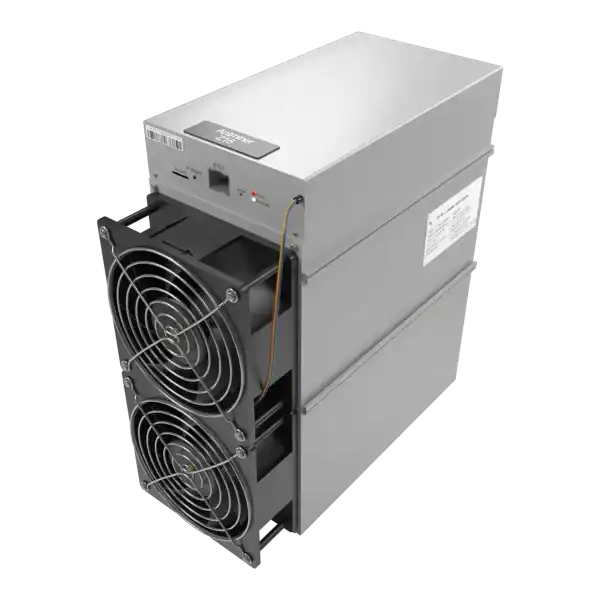
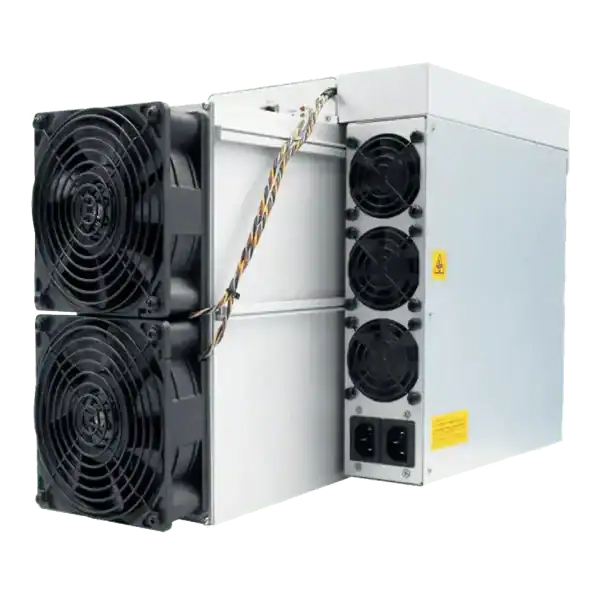
SHA-256, Scrypt, Equihash and RandomX favour different hardware. ASICs are efficient but narrow; CPUs and GPUs can be flexible but face specialised competition.
Confirm the current algorithm from official software and observed blocks. Seller compatibility lists can be outdated.
Network Hashrate and Attack Cost
Proof-of-work security depends on available competing work, its rental or ownership structure and node rules. A small network may be easier to reorganise than Bitcoin.
Headline hashrate units differ by algorithm. Do not compare one terahash of SHA-256 with one terahash of another function as equal cost.
Quick reference for Bitcoin vs altcoins decisions.
Issuance and Rewards
Networks set different subsidies, halving schedules, tail emissions and fee rules. Some use development allocations or treasury deductions.
Read block construction and actual payout evidence. A high number of coins means nothing without price, liquidity and dilution context.
Pools and Market Liquidity
A pool may pay in the mined coin, Bitcoin or another asset and can impose thresholds. Small coins may have few reliable exchanges and large spreads.
Model conversion at executable depth, not a headline quote. Retaining the coin adds market exposure rather than removing a pool fee.
Software and Governance
Some networks change rules frequently or have concentrated maintainers and checkpoints. Others prioritise stability. Governance determines how emergencies and upgrades are handled.
Check release signatures, repositories, node distribution and activation status. A roadmap is not a deployed rule.
Merged Mining
Compatible auxiliary proof-of-work can let miners submit related evidence to more than one chain. This may add revenue, but the pool, node and payout implementation must support it.
Merged mining does not make the auxiliary asset risk-free or guarantee that extra rewards reach the worker.
Hardware Resale and Exit Risk
A Bitcoin ASIC may have a deep but cyclical resale market. A machine tied to one small algorithm can lose value rapidly if its network changes or a new generation arrives.
Price the exit before purchase. Include shipping, testing, firmware support and the chance of no buyer.
Tax, Custody and Records
Each payout creates records involving asset, amount, sterling value, fee and destination. More coins increase reconciliation and custody complexity.
Use separate addresses and documented conversion sources. Obtain UK professional advice for the actual business and transaction.
A Fair Comparison Matrix
Compare current consensus, algorithm, hardware, energy, security, issuance, pool concentration, liquidity, development and legal access. Score uncertainty rather than forcing a winner.
Bitcoin may lead one measure while an altcoin serves a specialist use. Mining success depends on bought hardware and operating costs, not tribal labels.
Difficulty and Revenue Can Move Faster on Small Networks
A modest amount of new compatible hardware can materially change a small network's difficulty. A calculator may show strong revenue before machines arrive, then fall after several operators react to the same signal. Model the share after expansion rather than assuming the observed reward is available indefinitely. Compare the network's recent difficulty range with the capacity of the proposed fleet.
Price and liquidity can move at the same time. Selling projected daily output may cross a thin order book or exceed a pool's reliable conversion route. Use executable size, withdrawal limits and settlement delay in the model. Include a failed-exchange case and a period when only self-custody is available. Test the smallest practical withdrawal before allowing a large pool balance to accumulate.
Finally, check whether the chain has a planned algorithm change, emission event, checkpoint or exchange delisting review. These are dated risks that a generic Bitcoin vs altcoins comparison cannot capture without an exact coin record and source. Record the official release, block height and responsible maintainer for every planned change.
What the Current Data Can and Cannot Tell You
Network rules, mining status and exchange access change and need current verification.
This comparison does not recommend Bitcoin or any altcoin as an investment.
Ended or migrated mining must be labelled honestly rather than shown in a live calculator.
Decision Table
Factor
Bitcoin
Altcoin Check
Algorithm
SHA-256
Name exact algorithm
Consensus
Proof of work
May use work, stake or another model
Hardware
SHA-256 ASIC
ASIC, GPU, CPU or none
Liquidity
Relatively broad
Check executable depth
Rule stability
Bitcoin process
Check maintainers and upgrades
A table is a starting point, not a promise. Verify current official sources and apply each detail to the decision you are actually making.
Frequently Asked Questions
Can a Bitcoin ASIC Mine Every Altcoin?
No. It can only perform compatible SHA-256 work.
Are All Altcoins Mineable?
No. Many use proof of stake or issuer-controlled supply.
Does a Smaller Network Always Pay More?
No. Reward, competition, liquidity and cost all matter.
What Is Merged Mining?
It reuses compatible proof-of-work evidence for an auxiliary chain.
Are Altcoin Hashrates Comparable to Bitcoin Hashrate?
Not directly when algorithms and units differ.
Conclusion
Bitcoin vs altcoins is a framework, not a single verdict. Bitcoin provides one mature SHA-256 case; alternatives use many rules and hardware types. Miners should verify each chain independently and model real conversion, operating and exit risks before assigning equipment.
Darren Waggott is the visionary Founder and CEO of The Mining Shop UK, with over a decade of leadership in the cryptocurrency mining sector. Renowned for driving innovation, Darren has built a company dedicated to providing high-quality ASIC miners and comprehensive hosting services. His forward-thinking approach places The Mining Shop UK at the forefront of the industry.
Membership helps us protect the discussion from spam and keep answers useful.
ASIC MINING SUPPORT
Need Help Choosing an ASIC Miner?
Tell us what you want to mine, your electricity cost and where the machine will run. We can help you compare hardware, power requirements, hosting and repairs.
We use necessary cookies to run the shop and optional analytics cookies to understand how visitors use the site and improve shopping and checkout. You can accept analytics, use only necessary cookies, or choose settings. You can change your choice at any time.
Functional
Always active
The technical storage or access is strictly necessary for the legitimate purpose of enabling the use of a specific service explicitly requested by the subscriber or user, or for the sole purpose of carrying out the transmission of a communication over an electronic communications network.
Preferences
The technical storage or access is necessary for the legitimate purpose of storing preferences that are not requested by the subscriber or user.
Statistics
The technical storage or access that is used exclusively for statistical purposes.The technical storage or access that is used exclusively for anonymous statistical purposes. Without a subpoena, voluntary compliance on the part of your Internet Service Provider, or additional records from a third party, information stored or retrieved for this purpose alone cannot usually be used to identify you.
Marketing
The technical storage or access is required to create user profiles to send advertising, or to track the user on a website or across several websites for similar marketing purposes.







Join the ASIC Mining Discussion
Members can read and join the discussion
Log in to read comments from other miners. Create a free account if you would like to ask a question or share your experience.
Membership helps us protect the discussion from spam and keep answers useful.